What Does the Tamil Nadu BJP's 'Report Card' Reveal About the DMK Government?
Synopsis
The Tamil Nadu BJP has issued a damning report card on the DMK government, highlighting alleged governance failures, corruption, and unmet electoral promises. As the political climate heats up ahead of the 2026 Assembly elections, this report could significantly influence public perception and future political strategies.
Key Takeaways
The BJP's report card criticizes the DMK for governance failures.
It claims many electoral promises remain unfulfilled.
Concerns are raised over rising prices and job creation.
The report highlights issues in education and healthcare infrastructure.
Political tensions are expected to rise as elections approach.
Chennai, Feb 21 (NationPress) The Tamil Nadu branch of the Bharatiya Janata Party (BJP) has unveiled a highly critical "people's verdict report card" regarding the governing Dravida Munnetra Kazhagam (DMK) administration, claiming significant failures in governance, corruption, and unmet electoral promises during its tenure from 2021 to 2026.
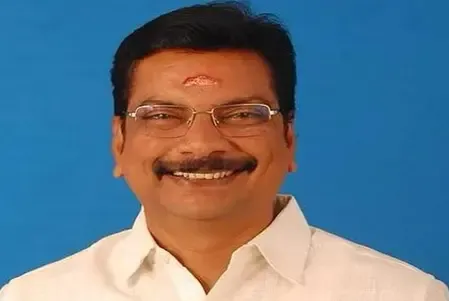
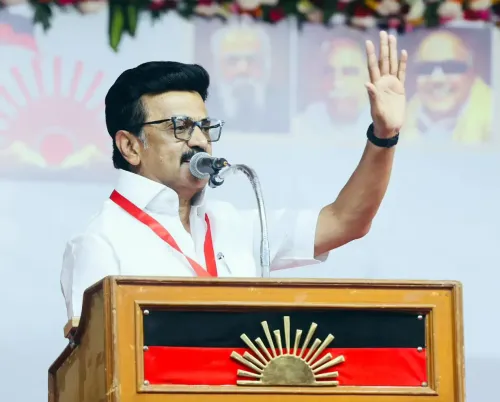
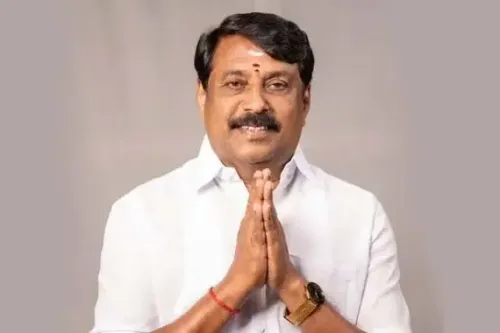
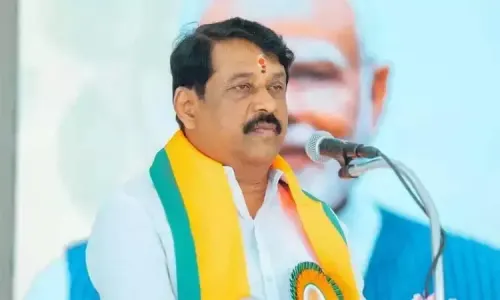
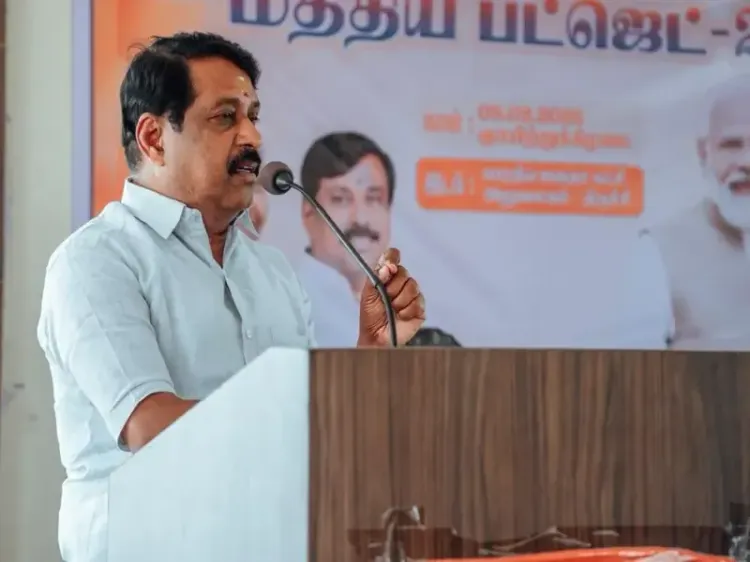
This report was introduced by Tamil Nadu BJP President Nainar Nagenthran and evaluates the DMK government's performance under Chief Minister M.K. Stalin across essential areas such as cost of living, employment, law and order, education, healthcare, agriculture, and women's safety.
The BJP asserts that the DMK had committed to 505 electoral promises prior to the 2021 Assembly elections, yet has only fully or significantly delivered on a small fraction of these. The party challenges the state government's assertion of nearly complete fulfillment, highlighting that many promises remain either partially fulfilled or entirely neglected.
The report criticizes the state administration for its inability to manage rising prices effectively, generate sufficient job opportunities for the youth, and enhance public safety measures. It also points to a decline in law and order, asserting that poor economic management has hampered investment and growth prospects.
Concerns regarding the state of public infrastructure in education and healthcare are also raised, with allegations of deficiencies in service provision and infrastructure advancement.
On the topic of corruption, the BJP cites systemic irregularities and recalls previous statements from Prime Minister Narendra Modi, who has denounced what he calls "dynastic politics" in Tamil Nadu.
Union Home Minister Amit Shah has previously alleged a "20 percent corruption premium" in the state, an accusation that the DMK has consistently refuted.
The BJP also took issue with the DMK's partnership with the Congress, referencing past political disputes and governance-related challenges.
Conversely, the DMK has persistently dismissed these allegations, asserting that its "Dravidian Model" of governance emphasizes social justice, welfare expansion, and inclusive development.
The release of this report coincides with increased political mobilization in anticipation of the 2026 Tamil Nadu Assembly elections. BJP officials contend that the document embodies insights collected through statewide outreach initiatives and public engagement.
In prior responses to similar critiques, DMK representatives have defended their government's achievements, citing welfare programs, infrastructure improvements, and financial management as indicators of progress.
As political exchanges intensify ahead of the elections, discussions surrounding governance and accountability are anticipated to remain central to Tamil Nadu's political narrative in the upcoming months.
Point of View
The report issued by the Tamil Nadu BJP serves as a critical examination of the ruling DMK government. While allegations of governance failures and corruption are serious, it's essential to consider the political context and both parties' narratives as Tamil Nadu approaches a pivotal election cycle.
NationPress
13 Oct 2026
Frequently Asked Questions
What are the main accusations against the DMK government?
The BJP's report card accuses the DMK government of failing in various governance aspects such as controlling inflation, creating jobs, and enhancing public safety, alongside unfulfilled electoral promises.
How many electoral promises did the DMK make?
The DMK made 505 electoral promises before the 2021 Assembly elections, but the BJP claims only a few have been fully or substantially realized.
What is the DMK's response to these allegations?
The DMK has rejected the BJP's allegations, asserting that its governance model emphasizes social justice and welfare expansion.
What political implications does this report have?
With the 2026 Assembly elections approaching, this report could significantly influence public opinion and political strategies in Tamil Nadu.
Who presented the report card?
The report card was presented by Tamil Nadu BJP President Nainar Nagenthran.