BJP's 'Zakhm 84 De' conclave in Chandigarh: Ravi Shankar Prasad demands justice for 1984 victims
Synopsis
Forty-two years after the 1984 anti-Sikh violence, the BJP chose a formal conclave — not a rally — to anchor its Punjab narrative around survivor grief and unfinished justice. With Ravi Shankar Prasad directly asking Rahul Gandhi why his family has never apologised, the event signals a calculated escalation in the BJP's attempt to own the 1984 accountability issue in Sikh-majority Punjab.
Key Takeaways
The BJP held its day-long 'Zakhm 84 De' conclave in Chandigarh on 4 November 2026 , with survivors and families of 1984 massacre victims present.
Ravi Shankar Prasad called the wounds of 1984 and Punjab's drug addiction crisis the two gravest blots on the state's soul, demanding uncompromised justice for both.
Prasad challenged Rahul Gandhi to explain why his family has never formally apologised for Rajiv Gandhi's remark of 19 November 1984 — 'When a big tree falls, the earth shakes' .
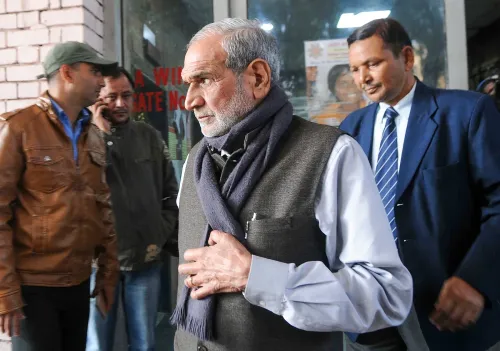
He credited the Modi government's SIT and Justice Dhingra's recommendations for the conviction of Sajjan Kumar , and acknowledged advocate H.S.
Phoolka's role in the legal battle.
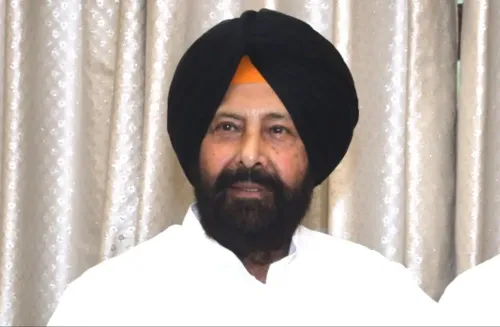
State BJP chief Kewal Singh Dhillon vowed the party would not rest until the last perpetrator of the 1984 violence is brought to book.
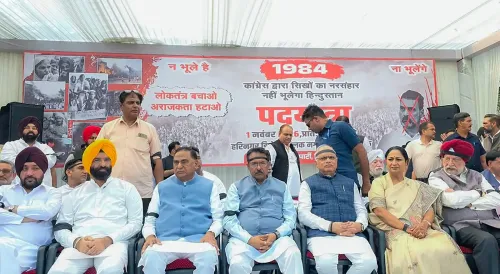
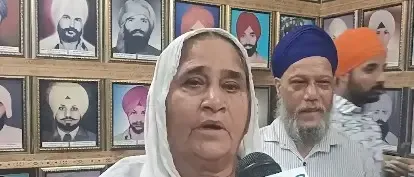
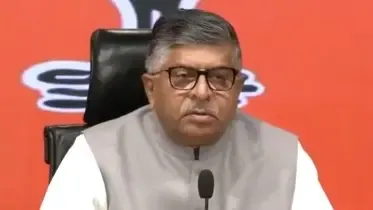
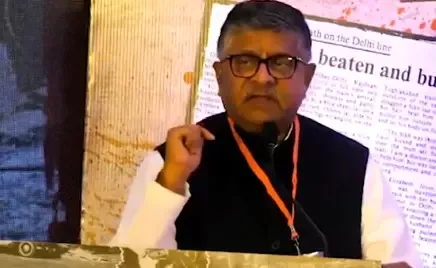
The Bharatiya Janata Party (BJP) on Wednesday, 4 November 2026, convened a day-long conclave titled 'Zakhm 84 De' in Chandigarh, bringing together survivors and families of the 1984 anti-Sikh massacre victims in a deeply sombre gathering that blended grief with political accountability. The event, which opened with a solemn ardas for the souls of those killed, was anchored by a sharp keynote from senior advocate and Patna Sahib MP Ravi Shankar Prasad, who declared that neither the wounds of 1984 nor Punjab's drug crisis can heal without uncompromised justice.
Archival Exhibition Sets a Painful Tone
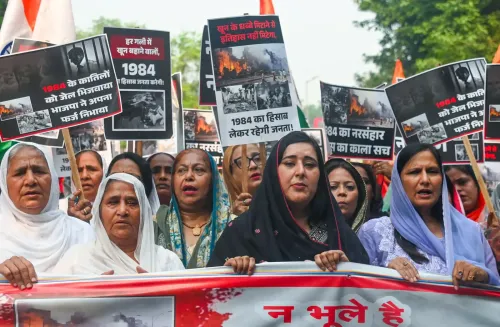
Before deliberations commenced, Ravi Shankar Prasad inaugurated a special archival photographic exhibition documenting the violence of November 1984 — images of burning dwellings in Delhi's Trilokpur, gutted establishments across Connaught Place, displaced families clutching remnants of their belongings, and Sikhs being pulled off buses. The exhibition was opened in the presence of state BJP chief Kewal Singh Dhillon and state in-charge Satish Poonia. The powerful black-and-white displays drew visible grief from the assembled families and set a reflective mood across the gathering.
Prasad's Keynote: Two Wounds, One Demand for Justice
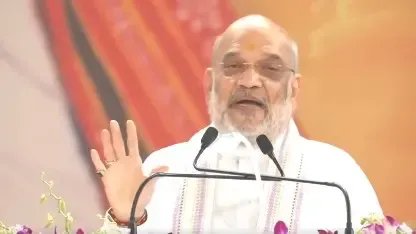
Delivering the opening address, Prasad articulated what he called the twin afflictions scarring Punjab's soul. "Two deep blots stain Punjab's soul today: '84 ke zakhm' (the wounds of 1984) and 'chitte di peeda' (the agony of drug addiction). These wounds cannot heal without uncompromised justice," he said, sharing the stage with victim families.
Turning to the Congress, Prasad launched a pointed attack on Congress leader Rahul Gandhi, questioning the timing of Congress political events in Punjab around the anniversary. He cited the late Prime Minister Rajiv Gandhi's remark of 19 November 1984 — "When a big tree falls, the earth shakes" — as an attempt to rationalise what he called the massacre of thousands of innocent Sikhs. "Why have you or your family never tendered a sincere apology to the nation?" he asked, directing the question squarely at Rahul Gandhi.
Prasad also recalled his tenure as Information and Broadcasting Minister in the Atal Bihari Vajpayee government, claiming he had personally ensured that video evidence of Rajiv Gandhi's statement — which he said had disappeared from public archives — was restored to the public domain.
Four Decades of Alleged Cover-Up
Cataloguing what he described as institutional obstruction over four decades, Prasad accused the Congress of following a doctrine he characterised as "Latkana, bhatkana, jhatkaana (delay, distract, and dismiss)." He pointed to successive commissions of inquiry that, in his assessment, produced no convictions, and said even the tenure of Prime Minister Manmohan Singh failed to secure accountability against those responsible.
Prasad credited the Narendra Modi government's formation of a Special Investigating Team (SIT) and the enforcement of recommendations by Justice Dhingra for finally securing the conviction of Sajjan Kumar. He also acknowledged the decades-long courtroom effort of senior advocate H.S. Phoolka, calling his perseverance a defining factor in breaking what he termed a culture of impunity. "Congress cared nothing about 3,500 innocent dead; they only moved heaven and earth to shield three or four key leaders," Prasad asserted.
Party Leadership Vows to Pursue Accountability
State BJP chief Kewal Singh Dhillon addressed the families, saying that Rajiv Gandhi's cold justification still sends shivers down the spine 42 years later. "The community that forgets its past forgets its future. We have neither forgotten 1984 nor will we allow it to be forgotten," he said. Dhillon further accused Rahul Gandhi of hypocrisy, alleging that conducting rallies in Sangrur while preaching justice was at odds with his party's historical record.
Party national spokesperson R.P. Singh, who moderated the session, reiterated the BJP's pledge to stand with victims until full accountability is achieved, underscoring the party's framing of the conclave as an ongoing legal and moral commitment rather than a one-day event.
Political Context and What Comes Next
The conclave arrives at a politically charged moment, with both the BJP and Congress engaged in a prolonged contest over Sikh voter sentiment in Punjab ahead of the state's electoral cycle. The BJP's decision to hold a formal, structured conclave — rather than a rally — signals an attempt to occupy the moral high ground on an issue that has historically benefited regional parties like the Shiromani Akali Dal. Observers will watch whether the event translates into sustained legal pressure or remains a political statement. The demand for justice for the remaining unpunished perpetrators of 1984 is expected to remain a central theme in BJP's Punjab outreach in the months ahead.
Point of View
Complete with an archival exhibition and victim families on stage, is a deliberate reframing — positioning the party as the institutional custodian of 1984 accountability rather than a political opportunist. Yet the conclave's sharpest edges are aimed at Rahul Gandhi rather than at any new legal initiative, which raises the question of whether this is about advancing justice or advancing electoral positioning in Punjab. Notably, the BJP's own record on 1984 prosecutions beyond the Sajjan Kumar conviction remains incomplete, a gap that critics and victim advocacy groups have consistently flagged. Until the party demonstrates concrete legal steps toward the remaining unpunished perpetrators, the gap between the rhetoric of accountability and the reality of unfinished prosecutions will remain the most uncomfortable fact in the room.
NationPress
4 Nov 2026
Frequently Asked Questions
What is the BJP's 'Zakhm 84 De' conclave?
'Zakhm 84 De' is a day-long BJP conclave held in Chandigarh on 4 November 2026, bringing together survivors and families of the 1984 anti-Sikh massacre to demand continued justice and commemorate the victims. The event opened with a solemn ardas and an archival photographic exhibition of the November 1984 violence.
What did Ravi Shankar Prasad say about the 1984 massacre?
Prasad described the 1984 wounds and Punjab's drug addiction crisis as the two gravest blots on the state's soul, saying neither can heal without uncompromised justice. He also accused the Congress of systematically delaying accountability over four decades and directly asked Rahul Gandhi why his family has never apologised for Rajiv Gandhi's controversial 1984 remark.
What was Rajiv Gandhi's statement that BJP has criticised?
On 19 November 1984, then Prime Minister Rajiv Gandhi reportedly said, 'When a big tree falls, the earth shakes,' in an apparent reference to the communal violence that followed Indira Gandhi's assassination. BJP leaders have long characterised this as a rationalisation of the massacre of thousands of Sikhs.
How did the Modi government secure the conviction of Sajjan Kumar?
According to Prasad, the Narendra Modi government formed a Special Investigating Team (SIT) and enforced recommendations made by Justice Dhingra, which ultimately led to the conviction of Congress leader Sajjan Kumar in connection with the 1984 violence. Senior advocate H.S. Phoolka is credited with decades of legal perseverance in the case.
Why is the BJP holding events on 1984 in Punjab now?
The BJP is engaged in a sustained effort to consolidate Sikh voter sentiment in Punjab by positioning itself as the party most committed to 1984 accountability. The conclave coincides with the November anniversary of the violence and comes amid active Congress outreach in the state, sharpening the political rivalry over the issue.