BJP demands Rahul Gandhi apologise for 'reopening 1984 Sikh genocide wounds'
Synopsis
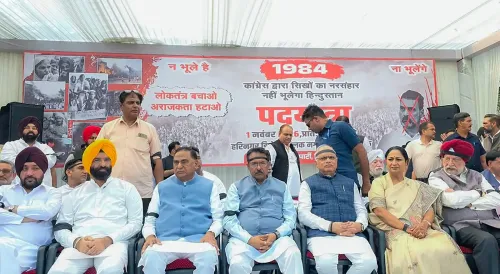
On the anniversary of the 1984 anti-Sikh massacre, the Delhi BJP Minority Morcha led a candlelight march from Bangla Sahib to Rakab Ganj Sahib, demanding Rahul Gandhi apologise for scheduling an INDIA bloc rally on 1 November — a date BJP MPs say was a deliberate reopening of one of independent India's deepest wounds.
Key Takeaways
The Delhi BJP Minority Morcha and 1984 genocide-affected families marched in New Delhi on 2 November 2026 , demanding an apology from Rahul Gandhi and the Congress .
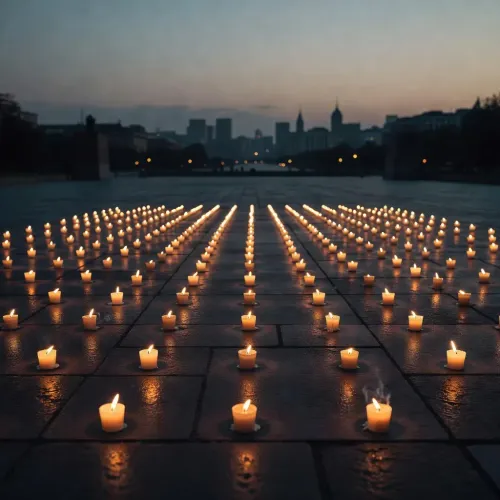
The march ran from Gurudwara Sri Bangla Sahib to Gurudwara Sri Rakab Ganj Sahib ; participants lit candles in memory of 1984 victims .
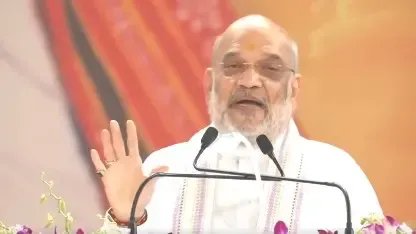
BJP MP Bansuri Swaraj called the 1984 massacre a 'premeditated conspiracy by the Congress' and cited the conviction of Sajjan Kumar as evidence of justice under PM Modi .
BJP MP Kamaljeet Sehrawat urged Rahul Gandhi not to revive the 'painful chapter', saying affected Sikh families remain united in seeking justice.
The BJP alleged no INDIA bloc leader mentioned the 1984 Sikh genocide at Rahul Gandhi's 1 November Delhi rally.
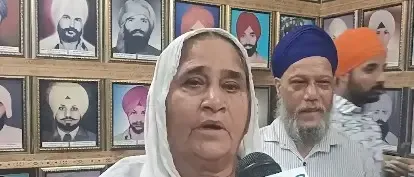
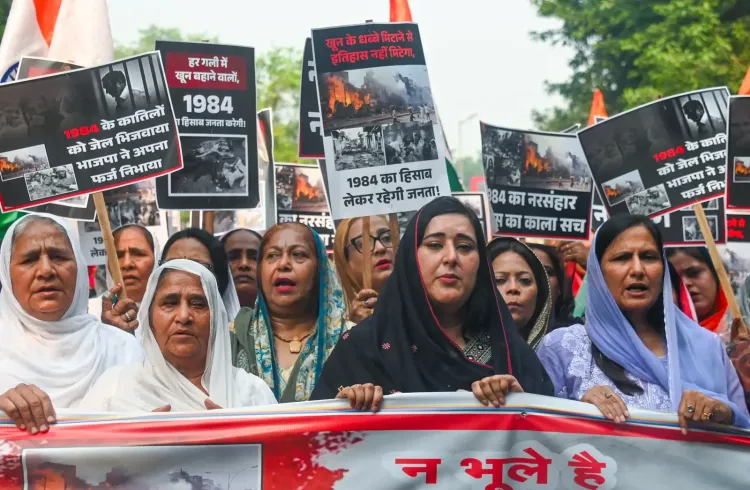
Workers of the Delhi BJP Minority Morcha and families affected by the 1984 Sikh genocide staged a protest march in New Delhi on Monday, 2 November 2026, demanding a public apology from Congress leader Rahul Gandhi and the Indian National Congress for what they described as deliberately reopening old wounds by holding an INDIA bloc rally in Delhi on 1 November — the anniversary of the anti-Sikh violence.
The March and Its Route
Hundreds of participants — including Sikh women, Nihang leaders, affected families from Tilak Vihar, and BJP workers — marched from Gurudwara Sri Bangla Sahib to Gurudwara Sri Rakab Ganj Sahib, reciting Gurbani along the route. At the culmination, participants lit candles in memory of Sikhs who perished in the 1984 genocide, according to a Delhi BJP statement. Slogans including 'India will never forget the 1984 Sikh Genocide perpetrated by the Congress' were raised during the procession.
What the BJP Leaders Said
New Delhi BJP MP Bansuri Swaraj alleged that the 1984 massacre of innocent Sikh men and women was a premeditated conspiracy by the Congress. She cited the then Prime Minister Rajiv Gandhi's reported remark — 'When a big tree falls, the earth shakes' — as an attempt to justify the violence, and alleged that Rahul Gandhi had demonstrated the same mindset by scheduling his rally on 1 November, the date she described as the bloodiest single day of the pogrom.
Swaraj also noted that the conviction of Sajjan Kumar, a Congress leader sentenced for his role in the 1984 killings, was an achievement of the government led by Prime Minister Narendra Modi, which she said had also provided compensation and jobs to affected families. She alleged that not a single INDIA bloc leader mentioned the 1984 Sikh genocide during Rahul Gandhi's rally.
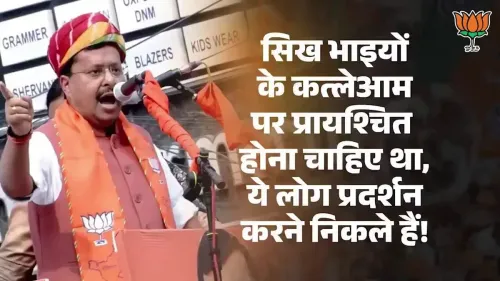
West Delhi BJP MP Kamaljeet Sehrawat, who marched alongside senior BJP leader Rajiv Babbar, stated that following the assassination of Indira Gandhi, Sikhs were systematically targeted. 'Individual houses were identified, Sikh families were dragged out and subjected to inhuman atrocities,' she said, alleging the violence was orchestrated by Congress leaders and those operating under the party's protection. Sehrawat urged Rahul Gandhi not to revive what she called a 'painful chapter', saying affected families — particularly women who endured the period — remain united in seeking justice.
Background: The 1984 Anti-Sikh Violence
The anti-Sikh violence erupted across India between 31 October and 2 November 1984, in the immediate aftermath of the assassination of Prime Minister Indira Gandhi by her Sikh bodyguards. Thousands of Sikhs were killed in what courts, government commissions, and human-rights bodies have since characterised as organised mass violence. The Congress has faced sustained political and legal scrutiny over the role of its leaders in the riots. Sajjan Kumar, a former Congress MP, was convicted by the Delhi High Court in 2018 and sentenced to life imprisonment for his role in the killings.
Congress Yet to Respond
The Congress had not issued an immediate response to the BJP's apology demand at the time of reporting. The INDIA bloc rally held on 1 November in Delhi was focused on electoral politics, and no INDIA bloc leader addressed the 1984 anniversary from the rally stage, according to the BJP's account. The political row is likely to intensify as the date marks both the anniversary of the violence and an increasingly contested moment in the BJP-Congress rivalry over Sikh electoral sentiment, particularly in Delhi and Punjab.
Point of View
A charge the Congress will dispute; but the optics hand the BJP a ready-made counter-narrative ahead of any coming poll cycle. What mainstream coverage often underplays is the continuing gap between legal accountability — Sajjan Kumar's conviction notwithstanding — and the larger body of unpunished perpetrators, a fact that makes the wounds the BJP invokes genuinely unhealed, whatever the partisan framing.
NationPress
2 Nov 2026
Frequently Asked Questions
Why is the BJP demanding an apology from Rahul Gandhi over the 1984 Sikh genocide?
The BJP alleges that Rahul Gandhi reopened the wounds of the 1984 anti-Sikh violence by holding an INDIA bloc rally in Delhi on 1 November — the anniversary of the worst day of the pogrom. BJP MPs Bansuri Swaraj and Kamaljeet Sehrawat called on Gandhi and the Congress to formally apologise to the Sikh community and ensure justice for victims.
What was the 1984 Sikh genocide?
The 1984 anti-Sikh violence erupted between 31 October and 2 November 1984, immediately after the assassination of Prime Minister Indira Gandhi by her Sikh bodyguards. Thousands of Sikhs were killed across India in what courts and commissions have characterised as organised mass violence, with Congress leaders alleged to have instigated or facilitated the attacks.
What was the route of the Delhi BJP Minority Morcha protest march?
The march ran from Gurudwara Sri Bangla Sahib to Gurudwara Sri Rakab Ganj Sahib in New Delhi on 2 November 2026. Participants recited Gurbani along the way and lit candles at the concluding venue in memory of 1984 victims.
Who took part in the protest march?
Hundreds of participants joined, including Sikh women, Nihang leaders, affected Sikh families from Tilak Vihar, and BJP workers. West Delhi BJP MP Kamaljeet Sehrawat and senior BJP leader Rajiv Babbar were among the prominent participants.
What is the BJP's claim about justice for 1984 victims under the Modi government?
BJP MP Bansuri Swaraj said the Modi government has provided compensation and employment to families affected by the 1984 genocide and worked to ensure the guilty are punished, citing the conviction of former Congress MP Sajjan Kumar, who was sentenced to life imprisonment by the Delhi High Court in 2018 for his role in the killings.