4-year-old trapped in 220-ft borewell in Haryana's Ambala: NDRF, Army race to rescue

Synopsis
A four-year-old boy named Nirbhay slipped into a 220-foot-deep, nine-inch-wide open borewell in Haryana's Ambala district on Tuesday morning while his father worked nearby. With the NDRF, SDRF, Indian Army, and district administration all mobilised, rescuers are preparing to drill a parallel shaft if primary efforts fail — a grim reminder that uncovered borewells continue to endanger young lives across rural India.
Key Takeaways
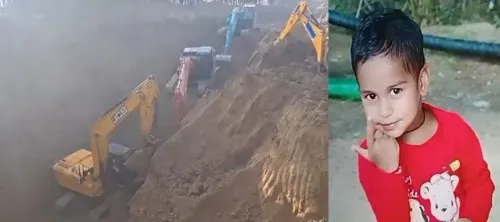
Nirbhay , aged approximately 3.5 to 4 years , fell into a 220-foot-deep borewell in Dhanaura village , Ambala , at around 6:30 am on 30 June .
The borewell is approximately nine inches in diameter, making manual extraction impossible.
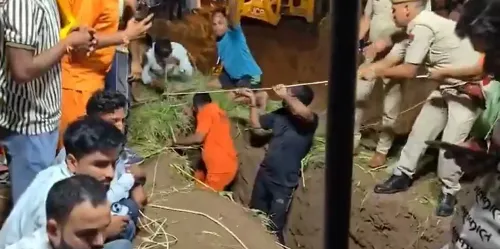
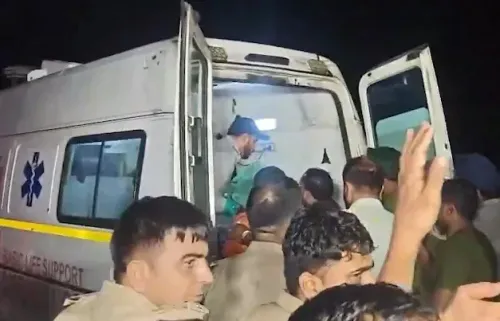
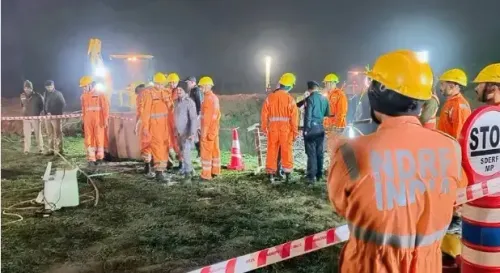
NDRF , SDRF , the Indian Army , and the district administration are conducting a joint rescue operation.
Deputy Commissioner Ajay Singh Tomar is personally supervising the operation at the site.
The borewell was allegedly dug by neighbours and left uncovered , according to officials.
A contingency plan to dig a parallel shaft using Army heavy machinery is on standby if primary efforts fail.
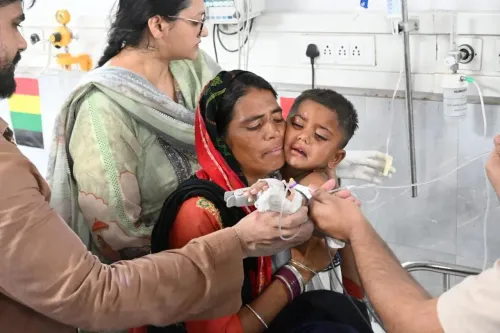
A four-year-old boy identified as Nirbhay fell into a 220-foot-deep, nine-inch-wide open borewell in Dhanaura village, Barara, Ambala district, Haryana, at approximately 6:30 am on Tuesday, 30 June, triggering a large-scale multi-agency rescue operation. Teams from the National Disaster Response Force (NDRF), State Disaster Response Force (SDRF), district administration, and the Indian Army are working against the clock to bring the child to safety.
How the Accident Happened
Nirbhay had accompanied his father, Manjit, to the family's agricultural fields early Tuesday morning, where his grandfather, Karnail Singh, had been working since dawn. According to officials, Manjit had gone to deliver breakfast to Karnail Singh when the child wandered near an uncovered borewell and began throwing soil into it.
The ground around the borewell had reportedly become wet and slippery overnight. While leaning forward to peer into the shaft, the child is believed to have lost his footing and fallen in. Family members and villagers made immediate but unsuccessful attempts to pull him out, with the narrow opening making any manual rescue impossible. Authorities were alerted at around 7:30 am, approximately one hour after the incident.
Multi-Agency Response Mobilised
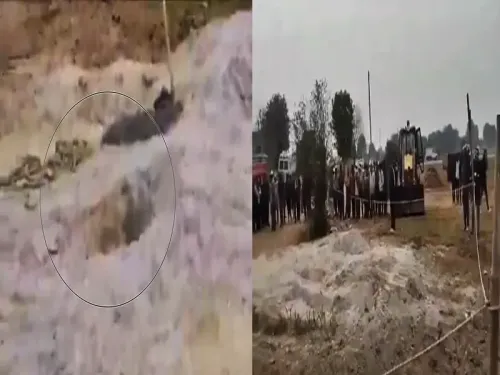
Rescue teams reached the site within a short time of being notified, equipped with specialised extraction equipment. The Indian Army was subsequently called in to provide heavy machinery as a contingency measure. Deputy Commissioner Ajay Singh Tomar personally arrived at the site to oversee operations.
Tomar told reporters: 'The incident was reported around 6:30 am. A child named Nirbhay, aged around 3.5 to 4 years, had come to deliver food to his father. While his father was busy with work, the child was playing and fell into an open borehole with a diameter of about 9 inches. Based on our assessment, the child is trapped at a depth of around 220 feet.'
Rescue Strategy and Contingency Plans
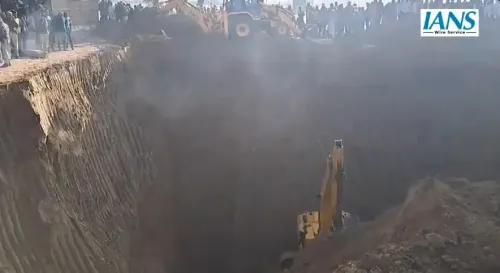
Tomar confirmed that the NDRF is deploying specialised equipment for the primary extraction attempt. Should those efforts prove insufficient, the Army's heavy machinery will be used to dig a parallel shaft alongside the borewell to reach the child from the side — a method used in several past borewell rescues across India.
'Our emergency response team reached the spot immediately, and teams from the Army and NDRF have also arrived. Army's heavy equipment is also called in so that if current efforts fail, we will dig out a parallel one to rescue the child,' Tomar said.
Borewell Allegedly Left Uncovered
The Deputy Commissioner stated that the borewell had reportedly been dug by the family's neighbours and had allegedly been left open and unguarded, directly contributing to the accident. Authorities have not yet announced any action against those responsible for leaving the shaft uncovered, though the matter is under scrutiny.
This is not an isolated incident — open borewells have claimed the lives of several young children across India over the past two decades, prompting repeated judicial and administrative directives requiring all borewells to be sealed when not in active use. Enforcement, however, remains inconsistent in rural areas.
Operation Ongoing
Rescue personnel were continuing to work through the day, with officials monitoring every stage of the operation closely. Further updates are awaited as the situation remains fluid and the child's condition has not been officially confirmed beyond his reported location at approximately 220 feet below ground.
Point of View
India watches the same agonising spectacle: a toddler, an open borewell, and a frantic multi-agency rescue. Despite Supreme Court directives and state-level orders mandating that all borewells be sealed when not in use, enforcement in rural areas remains largely symbolic. The Ambala case is not an anomaly — it is a systemic failure repeating itself. Until district administrations treat uncovered borewells as a prosecutable hazard rather than an administrative footnote, the rescue operations will keep coming.
NationPress
29 Sept 2026
Frequently Asked Questions
Who is the child trapped in the Ambala borewell?
The child is identified as Nirbhay, aged approximately 3.5 to 4 years, a resident of Dhanaura village in the Barara area of Ambala district, Haryana. He fell into the borewell on the morning of 30 June while accompanying his father to the family's agricultural fields.
How deep is the borewell Nirbhay fell into?
According to Deputy Commissioner Ajay Singh Tomar, Nirbhay is believed to be trapped at a depth of approximately 220 feet. The borewell is about nine inches in diameter, which rules out any direct manual rescue attempt.
Which agencies are involved in the rescue operation?
The rescue operation involves the National Disaster Response Force (NDRF), State Disaster Response Force (SDRF), the Indian Army, and the Ambala district administration. Deputy Commissioner Ajay Singh Tomar is overseeing the operation on the ground.
What is the contingency plan if the primary rescue fails?
If the NDRF's specialised equipment cannot extract the child directly, the Indian Army's heavy machinery will be used to drill a parallel shaft alongside the borewell to reach Nirbhay from the side. This approach has been used in similar borewell rescues in India previously.
Why was the borewell left open?
According to officials, the borewell had allegedly been dug by the family's neighbours and was left uncovered and unguarded. Authorities have not yet announced any formal action against those responsible, but the matter is under scrutiny.