India's bridges, tunnels and expressways redefine travel times across regions
Synopsis
A government factsheet released on 24 September 2026 lays out the breadth of India's infrastructure push in hard numbers: journeys that took a full day now take two hours, mountain passes no longer cut off regions in winter, and seven high-speed rail corridors spanning 4,000 km with a ₹16 lakh crore price tag are on the drawing board. The cumulative effect is a quiet but radical reordering of how India connects.
Key Takeaways
The Brahmaputra rail-cum-road bridge cut the Dhemaji–Dibrugarh journey from nearly a full day to one to two hours .
The Kosi Rail Mahasetu reduced Nirmali–Saraigarh rail travel from 8 hours to 30 minutes and distance from 300 km to 22 km .
The 9.02-km Atal Tunnel bypasses Rohtang Pass , cutting 46 km off the Manali–Sarchu route and enabling all-weather access to Lahaul-Spiti .
The Delhi–Mumbai greenfield expressway aims to reduce travel time between the two cities from 33 hours to 12 hours .
The Mumbai–Ahmedabad High-Speed Rail Corridor (320 kmph, 12 stations) targets its first service by August 2027 , featuring India's first undersea rail tunnel.
Seven HSR corridors covering nearly 4,000 km were announced in Union Budget 2026–27 with an estimated outlay of ₹16 lakh crore .
India's transport infrastructure is undergoing a visible, measurable transformation, with new bridges, tunnels, expressways, and high-speed rail services slashing journey times and opening previously isolated regions, according to a government factsheet released on Thursday, 24 September 2026. The document details how engineering projects across the country are converting multi-hour ordeals into short, efficient trips.
Bridges Cutting Hours Off River Crossings
Several landmark bridges are eliminating the bottleneck of long river crossings. The rail-cum-road bridge over the Brahmaputra has transformed connectivity between Dhemaji and Dibrugarh — journeys that previously consumed nearly an entire day now take just one to two hours, according to the factsheet.
The Mumbai Trans Harbour Link offers a direct connection between Mumbai and Navi Mumbai, compressing the crossing to approximately 20 minutes. In Bihar, the Kosi Rail Mahasetu has slashed the rail journey between Nirmali and Saraigarh from roughly eight hours to 30 minutes, while shrinking the distance from about 300 km to 22 km. Further east, the 200-metre Sisseri River Bridge reduced travel time between Pasighat and Roing by approximately five hours, strengthening links between Dibang Valley and Siang in Arunachal Pradesh.
Tunnels Piercing India's Toughest Terrain
Some of the most strategically significant gains have come through tunnels that take the shortest path through mountain terrain. The 9.02-km Atal Tunnel bypasses the Rohtang Pass, cutting the Manali–Sarchu distance by 46 km and delivering all-weather connectivity to Lahaul-Spiti.
The 9-km Dr. Syama Prasad Mookerjee Tunnel removes a difficult mountain stretch between Jammu and Srinagar, reducing travel distance by about 30 km and cutting travel time by nearly two hours. In Arunachal Pradesh, the Sela Tunnel, constructed at an altitude of approximately 13,000 feet, ensures all-weather access on the strategically critical Tezpur–Tawang route — a corridor of significant defence importance.
Expressways Accelerating Inter-City Movement
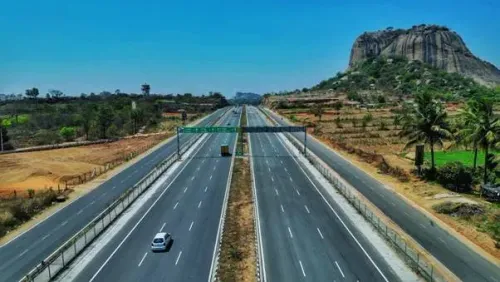
Controlled-access expressways are rewriting inter-city travel benchmarks. The 82-km Delhi–Meerut Expressway has cut the journey between the two cities from around two and a half hours to about 50 minutes. The 213-km Delhi–Dehradun Economic Corridor brings down travel time from over six hours to around two and a half hours.
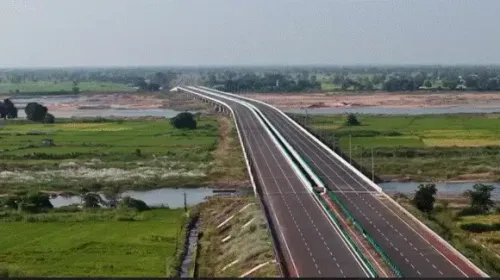
Still under development, the Delhi–Mumbai greenfield expressway is being built to reduce travel between the two capitals from roughly 33 hours to about 12 hours, according to the factsheet — a reduction that, once operational, would reshape the logistics and passenger economy of India's busiest inter-city corridor.
Rail: High-Speed and Vande Bharat Networks Expanding
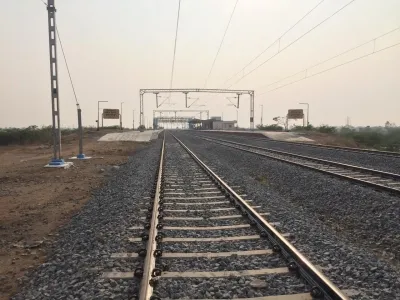
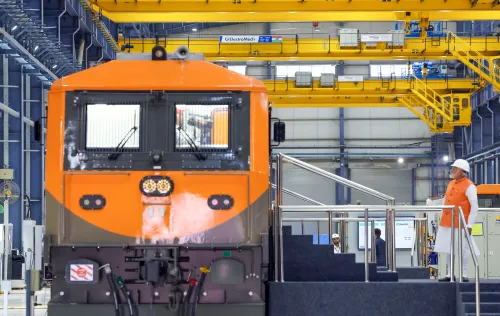
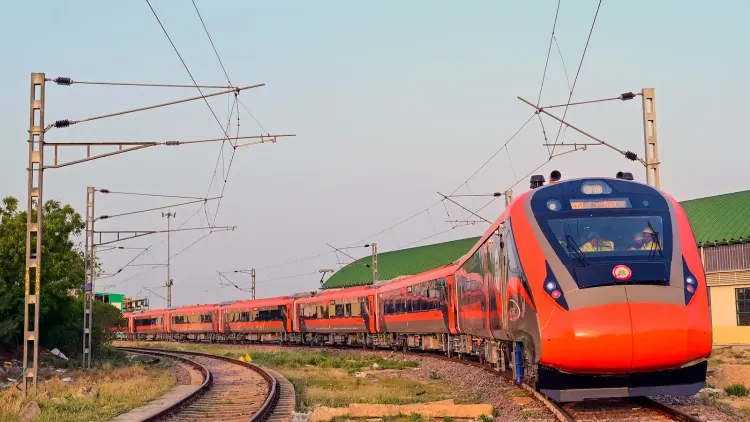
On the rail front, the Vande Bharat Express and India's first Vande Bharat Sleeper are delivering time savings for long-distance passengers across multiple routes. The centrepiece of the high-speed ambition remains the 508-km Mumbai–Ahmedabad High-Speed Rail Corridor, which will operate at 320 kmph, serve 12 stations, and include India's first undersea rail tunnel — approximately 7 km beneath Thane Creek. The first service is targeted for August 2027.
Looking further ahead, seven High-Speed Rail corridors announced in Union Budget 2026–27 will span nearly 4,000 km at an estimated investment of ₹16 lakh crore, the factsheet noted. Together, these projects represent a systematic attempt to restructure the geography of Indian mobility — connecting remote northeastern districts, strategic border regions, and major commercial hubs within a modernised network.
Point of View
At its core, a political narrative wrapped in engineering data — and the numbers are genuinely striking. What it does not address is the implementation gap: several of the projects cited, including the Delhi–Mumbai expressway and the Mumbai–Ahmedabad bullet train, have faced repeated deadline revisions and land acquisition delays. The ₹16 lakh crore HSR commitment in the Union Budget looks bold on paper, but India's track record on mega-infrastructure timelines warrants scrutiny. The real test is whether the northeast connectivity gains, which are operationally real and transformative, can be replicated at scale across the bullet-train ambitions — where geopolitical complexity, financing structures, and execution risk are of a different order entirely.
NationPress
24 Sept 2026
Frequently Asked Questions
What is the Mumbai–Ahmedabad High-Speed Rail Corridor and when will it open?
The Mumbai–Ahmedabad High-Speed Rail Corridor is a 508-km route designed to operate at 320 kmph, serving 12 stations. It includes India's first undersea rail tunnel, approximately 7 km beneath Thane Creek, and the first service is targeted for August 2027.
How much has India committed to its seven new High-Speed Rail corridors?
The seven High-Speed Rail corridors, announced in Union Budget 2026–27, span nearly 4,000 km with an estimated investment of ₹16 lakh crore. They represent the largest single rail infrastructure commitment in India's history.
What is the Atal Tunnel and why does it matter?
The 9.02-km Atal Tunnel bypasses the Rohtang Pass in Himachal Pradesh, reducing the Manali–Sarchu distance by 46 km and providing all-weather road connectivity to Lahaul-Spiti — a region that was previously cut off during winter months.
Which bridge most dramatically improved connectivity in northeast India?
The rail-cum-road bridge over the Brahmaputra transformed connectivity between Dhemaji and Dibrugarh in Assam. Journeys that previously took nearly an entire day now take about one to two hours, according to the government factsheet.
How will the Delhi–Mumbai greenfield expressway change travel between the two cities?
Once complete, the Delhi–Mumbai greenfield expressway is projected to reduce travel time between Delhi and Mumbai from roughly 33 hours to about 12 hours. The project is still under development and its completion timeline has not been confirmed in the factsheet.