Cabinet Clears ₹1.86 Lakh Crore Green Energy Corridor Phase-III
Synopsis
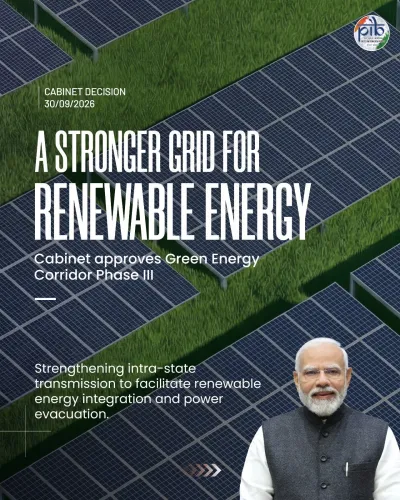
India's Cabinet approved Green Energy Corridor Phase-III on September 30, 2026 — a ₹1,86,405 crore scheme to build intra-state transmission infrastructure evacuating 135 GW of renewable power and deploying 50 GWh of battery storage, advancing the country's clean energy transition.
Key Takeaways
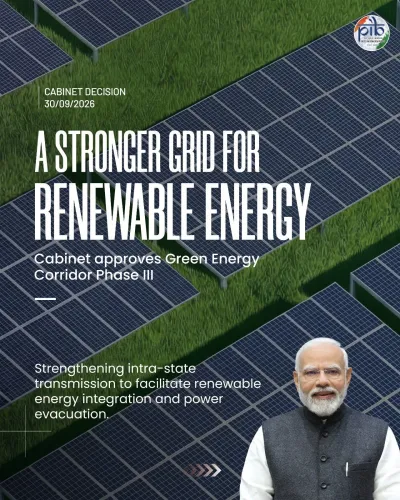
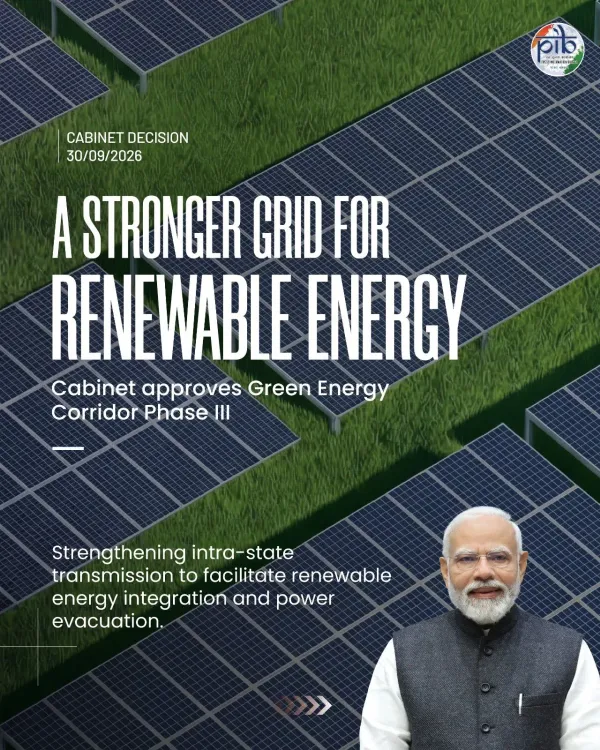
The Union Cabinet, chaired by PM Narendra Modi , approved Green Energy Corridor Phase-III (GEC-III) on September 30, 2026 .
Total project outlay is ₹1,86,405 crore , making it one of India's largest single transmission scheme approvals.
The scheme will strengthen intra-state transmission systems to enable evacuation of up to 135 GW of renewable energy .
It includes deployment of 50 GWh of Battery Energy Storage Systems to improve grid flexibility and manage variability.
Green Energy Corridor Phase-I was first approved in 2015 , with GEC-III representing the programme's largest and most storage-integrated iteration.
State transmission utilities and renewable energy developers are the primary beneficiaries; execution speed — tendering, land acquisition, battery supply chains — will determine real-world impact.
India's clean energy grid just got its biggest single transmission shot in the arm. The Union Cabinet, chaired by Prime Minister Narendra Modi, on Wednesday, September 30, 2026, approved the Green Energy Corridor Phase-III (GEC-III) — a ₹1,86,405 crore scheme to build out intra-state transmission infrastructure capable of evacuating up to 135 GW of renewable energy, backed by 50 GWh of Battery Energy Storage Systems. Union Coal and Mines Minister G. Kishan Reddy announced the decision on X, calling it a decisive step toward India's clean energy transition.
What GEC-III actually does — and why the scale matters
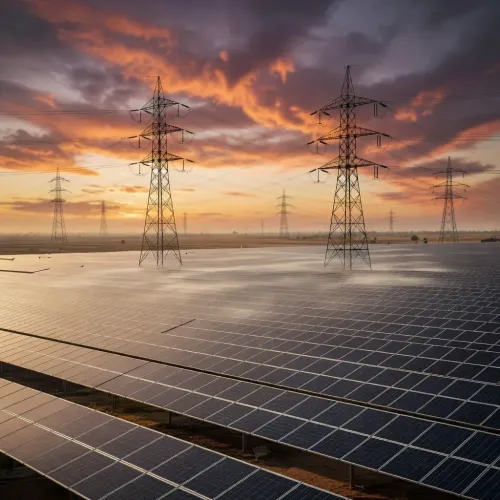
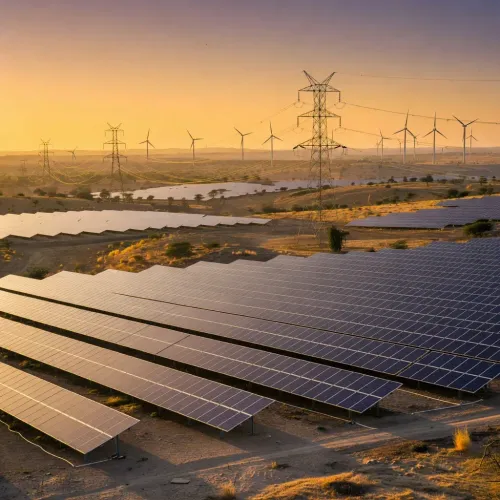
The corridor's core job is unglamorous but critical: build the wires, substations, and storage systems that get renewable power from where it's generated to where it's consumed. Without this backbone, solar parks and wind farms sit stranded. 135 GW of evacuation capacity is not a marginal upgrade — it is roughly in line with India's entire installed renewable capacity as of recent years, meaning GEC-III is sized to absorb an entirely new generation of clean power projects.
The addition of 50 GWh of Battery Energy Storage Systems is the scheme's forward-looking bet. Renewable energy is variable — the sun doesn't always shine when demand peaks. Grid-scale storage smooths that variability, reducing the need to keep polluting peaker plants on standby. Together, transmission build-out and storage form a twin answer to the grid's two biggest clean-energy headaches: getting power in, and keeping it stable.
Phase-I to Phase-III — a decade of corridor-building
This is not India's first attempt at dedicated renewable transmission infrastructure. Green Energy Corridor Phase-I, approved in 2015, set the template: identify renewable-rich states, build dedicated intra- and inter-state lines, and keep fossil-fuel congestion off the green grid. Phase-I and subsequent expansions progressively targeted states with large solar and wind potential. GEC-III carries that lineage forward at a dramatically larger scale, both in outlay and in the explicit integration of storage — a feature that marks a maturation of policy thinking from 'build lines' to 'build a smart, flexible grid.'
State transmission utilities and private renewable developers are the two constituencies with the most riding on speed of execution. For developers, evacuation bottlenecks directly delay project commissioning and revenue. For state utilities, the central scheme brings capital they cannot always raise independently for transmission assets that don't earn a direct tariff premium.
₹1,86,405 crore — reading the budget signal
The headline outlay — ₹1,86,405 crore — is a statement of intent at a scale that forces serious tendering, contractor mobilisation, and state-government coordination. The real test, as with every infrastructure scheme of this magnitude, is the gap between approval and commissioning. Tendering timelines, state-level land acquisition, and equipment supply chains for grid-scale batteries will determine whether GEC-III accelerates India's clean energy transition on paper or in practice. The Cabinet decision starts the clock. Everything after is execution.
Point of View
While Phase-III embeds flexibility directly into the architecture. The ₹1,86,405 crore outlay will also test the Centre-state coordination machinery, since intra-state transmission is constitutionally a state subject requiring close partnership with utilities. If execution matches the Cabinet's ambition, GEC-III could structurally de-risk India's renewable energy investment climate for the rest of the decade.
NationPress
30 Sept 2026
Frequently Asked Questions
What is Green Energy Corridor Phase-III?
Green Energy Corridor Phase-III (GEC-III) is a central government scheme approved by the Union Cabinet on September 30, 2026, to build intra-state transmission infrastructure enabling evacuation of up to 135 GW of renewable energy, with a total outlay of ₹1,86,405 crore.
How much money has the government approved for GEC-III?
The Cabinet approved a total project outlay of ₹1,86,405 crore for Green Energy Corridor Phase-III.
What is Battery Energy Storage Systems (BESS) under GEC-III?
Under GEC-III, 50 GWh of Battery Energy Storage Systems will be deployed to store surplus renewable power and release it when demand peaks, improving grid flexibility and reducing dependence on fossil-fuel backup plants.
When did India first launch the Green Energy Corridor scheme?
Green Energy Corridor Phase-I was first approved in 2015 to create dedicated transmission infrastructure for evacuating power from renewable-rich states.
Who announced the GEC-III Cabinet approval?
Union Coal and Mines Minister G. Kishan Reddy announced the Cabinet approval of GEC-III on X on September 30, 2026, citing the decision chaired by Prime Minister Narendra Modi.