CM Majhi Hails ₹2,814 Cr Cabinet Push for Lithium Processing
Synopsis
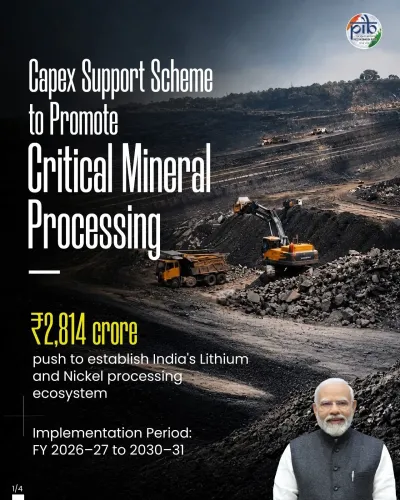
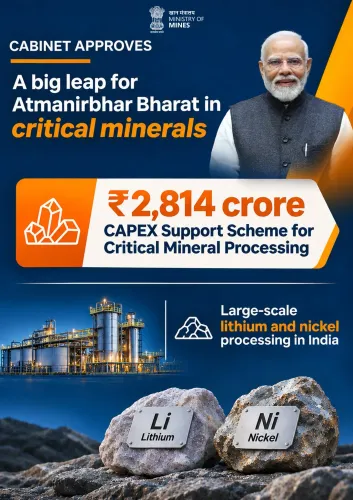
The Union Cabinet has approved a ₹2,814 crore Capex Support Scheme offering 30% capital subsidy for four critical mineral processing plants focused on lithium and nickel, running from 2026–27 to 2030–31. Odisha CM Mohan Charan Majhi called it a leap toward strategic self-reliance in clean energy and emerging technologies.
Key Takeaways
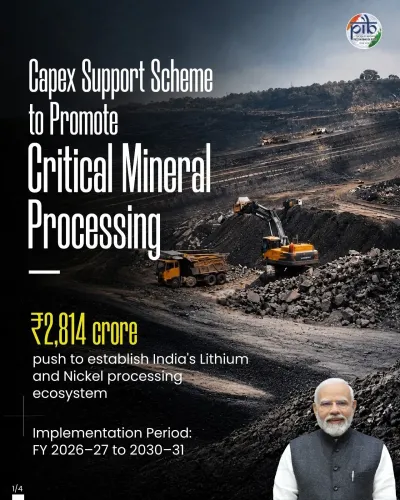
₹2,814 crore Capex Support Scheme approved by the Union Cabinet for critical mineral processing.
Scheme runs from 2026–27 to 2030–31 and targets lithium and nickel processing specifically.
Investors setting up eligible plants will receive a 30% capital subsidy , directly improving project economics.
Four dedicated processing plants will be established under the scheme; locations are yet to be announced.
The scheme builds on the Mines and Minerals Amendment Act, 2023 , which enabled auctions of 24 critical mineral blocks.
Primary beneficiaries include mineral processing firms and EV battery manufacturers seeking domestic supply security.
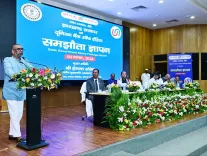
India just placed a serious bet on owning its own battery future. Odisha Chief Minister Mohan Charan Majhi on Wednesday, 4 November 2026 welcomed the Union Cabinet's approval of a ₹2,814 crore Capex Support Scheme to accelerate domestic processing of critical minerals — especially lithium and nickel — the two metals that sit at the heart of every electric vehicle battery and clean-energy storage system being manufactured today.
A 30% Subsidy, Four Plants, Five Years
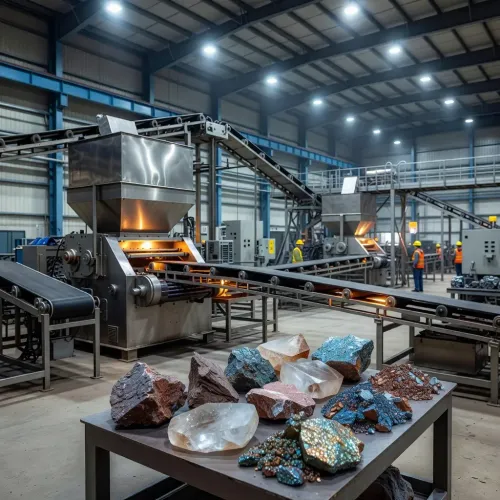
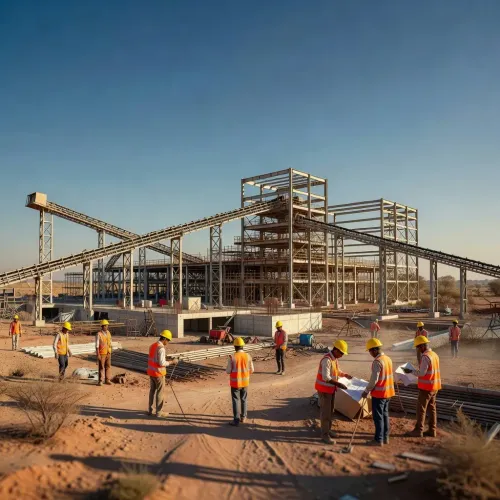
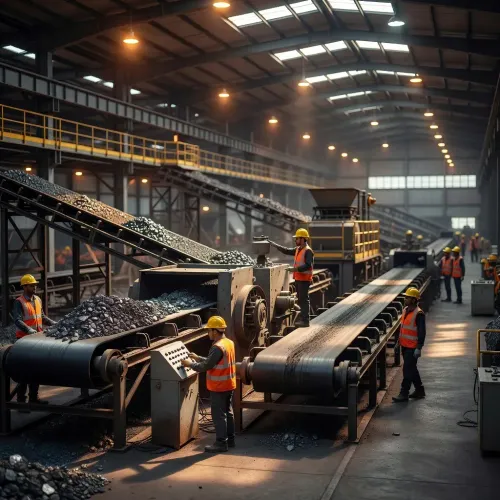
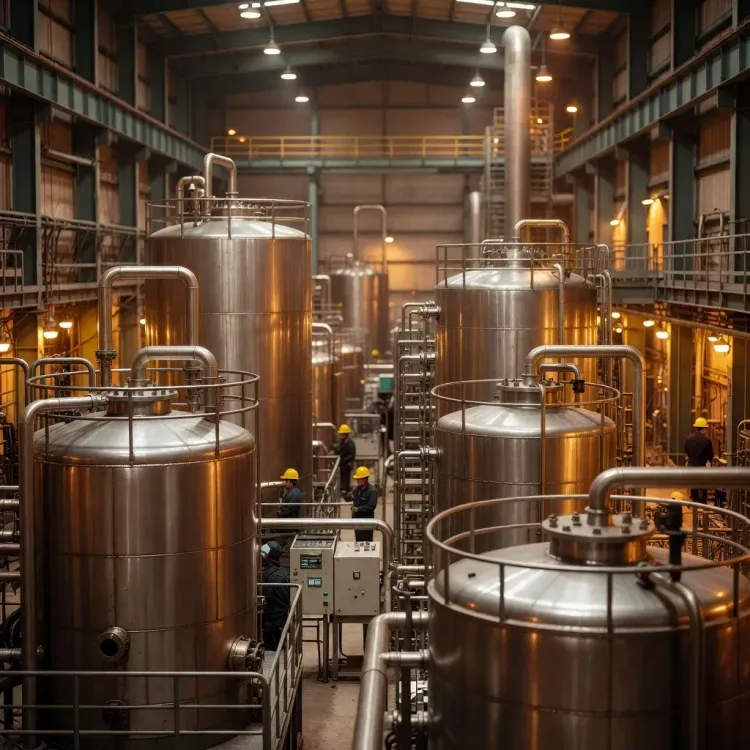
The scheme, operational from 2026–27 through 2030–31, will offer a 30% capital subsidy on eligible investments for setting up four dedicated processing plants across India. The intent is blunt: build the refining muscle that India currently lacks, reduce exposure to concentrated overseas supply chains, and plug the gap between raw mineral discovery and finished battery-grade material. For years, India has mined ore and watched value addition happen elsewhere. This scheme is designed to end that.
CM Majhi framed the approval as a direct expression of Prime Minister Narendra Modi's self-reliance agenda, noting it would 'strengthen India's critical mineral ecosystem, support the growth of strategic industries and advance the vision of self-reliance in emerging technologies and clean energy.'
The Legislative Foundation That Made This Possible
The Cabinet move does not arrive in a vacuum. The Mines and Minerals (Development and Regulation) Amendment Act, 2023 had already cracked open the door — enabling auctions of 24 critical mineral blocks, including lithium and nickel, for the first time. That law created the pipeline of raw material. The new Capex scheme creates the pipeline of processed output. Together, they sketch a vertically integrated domestic strategy that the country's EV manufacturers and defence electronics sector have been waiting on.
The broader frame is Atmanirbhar Bharat — the government's self-reliance framework — which has quietly elevated critical minerals from a geological footnote to a national-security priority. India's concern is straightforward: global refining of lithium and nickel is heavily concentrated, and any supply disruption ripples instantly into battery costs, EV rollout timelines, and strategic defence programmes.
What Odisha's Stakes Are
For Odisha, the approval carries particular resonance. The state sits on significant mineral reserves and has been positioning itself as a hub for downstream processing under Chief Minister Majhi's administration. While the specific locations of the four processing plants are yet to be announced, Odisha's established industrial base and mineral geography make it a natural candidate for at least one facility. The release of detailed scheme guidelines and the first investment proposals under the 2026–27 rollout window will be the next hard signals to watch.
Mineral processing firms and EV battery manufacturers are the immediate beneficiaries — a 30% capital subsidy on plant construction is a material swing in project economics, the kind of number that moves investment decisions from feasibility studies to ground-breaking ceremonies.
Point of View
The scheme creates enforceable industrial outcomes rather than aspirational targets. For Odisha specifically, CM Majhi's enthusiastic endorsement signals that the state intends to compete aggressively for plant allocations, leveraging its mineral reserves and industrial corridor infrastructure. The deeper strategic calculus is decoupling India's EV and defence supply chains from concentrated refining geographies — a vulnerability that peers have already paid dearly to learn.
NationPress
4 Nov 2026
Frequently Asked Questions
What is the ₹2,814 crore Capex Support Scheme for critical minerals?
It is a Union Cabinet-approved scheme running from 2026–27 to 2030–31 that provides a 30% capital subsidy on eligible investments to set up four domestic processing plants for critical minerals, particularly lithium and nickel.
Why are lithium and nickel called critical minerals in India?
Lithium and nickel are essential raw materials for EV batteries, clean energy storage, and defence electronics. India currently depends heavily on overseas refining for these minerals, making domestic processing a strategic priority.
How does the 30% capital subsidy work under this scheme?
Eligible companies investing in setting up critical mineral processing facilities will receive a capital subsidy covering 30% of their qualifying investment costs, significantly reducing the financial barrier to building new plants.
What is the connection between this scheme and Atmanirbhar Bharat?
The scheme directly advances the Atmanirbhar Bharat framework by reducing India's dependence on concentrated overseas supply chains for battery-grade minerals, building domestic refining capacity instead.
What role does Odisha play in India's critical mineral strategy?
Odisha holds significant mineral reserves and has been positioning itself as a downstream processing hub. CM Mohan Charan Majhi's support for the scheme signals the state's intent to attract processing plant investments under the new policy.