CM Bhajan Lal Backs ₹7,395 Cr PM Viksit Gram Swaraj Yojana
Synopsis
The Union Cabinet approved the PM Viksit Gram Swaraj Yojana with a ₹7,395.55 crore outlay to strengthen gram self-governance, covering 2.55 lakh panchayats and 32 lakh elected representatives. Rajasthan CM Bhajan Lal Sharma hailed the decision as historic.
Key Takeaways
The Union Cabinet, chaired by PM Narendra Modi , approved the PM Viksit Gram Swaraj Yojana on 28 October 2026 .
The scheme carries a total outlay of ₹7,395.55 crore .
More than 2.55 lakh panchayats and traditional local bodies will be covered under the scheme.
32 lakh elected representatives are the direct beneficiaries, with a focus on administrative capacity building.
The scheme continues the policy lineage of the Rashtriya Gram Swaraj Abhiyan (2018) and the constitutional Panchayati Raj framework.
Rajasthan CM Bhajan Lal Sharma publicly endorsed the decision, signalling state-level readiness for implementation.
A ₹7,395.55 crore bet on India's village democracy — that is what the Union Cabinet, chaired by Prime Minister Narendra Modi, approved on Wednesday, 28 October 2026, greenlit as the PM Viksit Gram Swaraj Yojana. Rajasthan Chief Minister Bhajan Lal Sharma was among the first state leaders to hail the decision, calling it a historic step toward strengthening grassroots governance.
What the scheme promises for 2.55 lakh panchayats
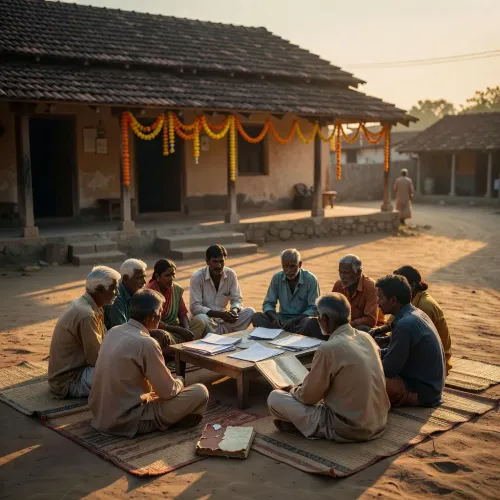
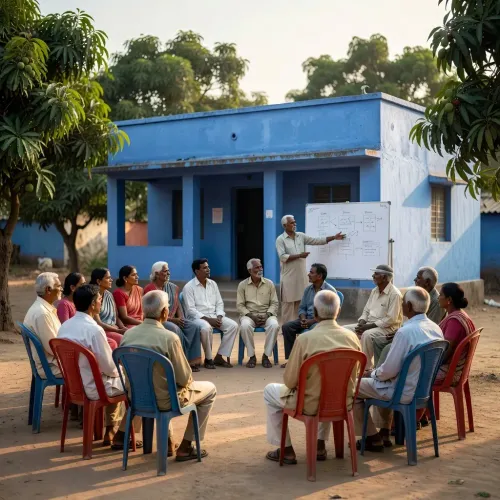
The scheme's headline number is striking: more than 2.55 lakh panchayats and traditional local bodies are in its ambit, and the direct beneficiaries will be the 32 lakh elected representatives who sit in those bodies. The focus is on capacity building — equipping ward members, gram panchayat presidents, and functionaries with the administrative tools they need to actually deliver development on the ground.
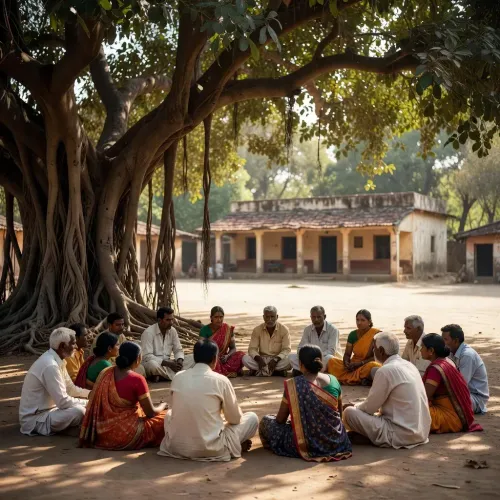
CM Sharma, writing in Hindi on X, described the yojana as 'gram swashasan ko sashakt banane' — 'empowering village self-governance' — and stressed that stronger local institutions would translate into more effective execution of development work in rural areas. He also underscored the scheme's potential to deepen janabhagidari, or people's participation, at the village level.
Building on India's Panchayati Raj legacy
The 73rd Constitutional Amendment Act of 1992 gave Panchayati Raj institutions their constitutional backbone, but the gap between legal empowerment and on-the-ground capacity has persisted for decades. An earlier central programme, the Rashtriya Gram Swaraj Abhiyan, launched in 2018, attempted to address this by funding training infrastructure and institutional support for panchayats across states.
The PM Viksit Gram Swaraj Yojana appears to carry that baton further, with a sharper focus on the elected representatives themselves — the people who make panchayat democracy real in practice. The Ministry of Panchayati Raj is expected to release detailed scheme guidelines, with state governments then drawing up implementation plans for the training rollout.
Why Rajasthan's voice on this matters
Rajasthan is one of India's largest states by area, with a vast and deeply rural hinterland. Its panchayat network spans some of the most remote geographies in the country — making schemes like this not just policy on paper but a logistical challenge of genuine scale. CM Sharma's public endorsement signals that state-level buy-in — essential for any central scheme to actually reach the last gram sabha — is already in motion.
The real test, as always, will come at the implementation stage: will training reach the 32 lakh representatives within a credible timeline, and will the administrative capacity gains show up in measurable rural development outcomes? Those are the questions the scheme's rollout will have to answer.
Point of View
395.55 crore commitment, it is a significant fiscal signal that the decentralisation agenda remains politically live. The scheme's real test will be state-level execution — particularly in large, rural-heavy states like Rajasthan where geographic scale makes training rollouts complex. CM Sharma's early and vocal endorsement suggests the BJP's state apparatus is prepared to channel the scheme into political capital ahead of future electoral cycles.
NationPress
28 Oct 2026
Frequently Asked Questions
What is PM Viksit Gram Swaraj Yojana?
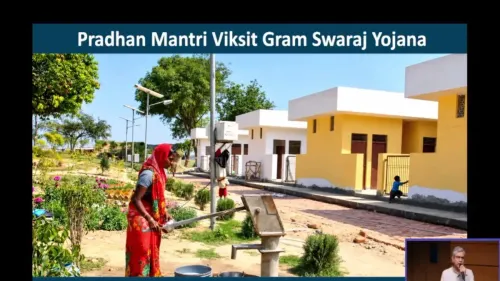
PM Viksit Gram Swaraj Yojana is a central government scheme approved by the Union Cabinet with a ₹7,395.55 crore outlay, aimed at strengthening gram self-governance and building the administrative capacity of elected panchayat representatives across India.
How many panchayats will benefit from PM Viksit Gram Swaraj Yojana?
More than 2.55 lakh panchayats and traditional local bodies are covered under the scheme, with 32 lakh elected representatives set to receive direct capacity-building benefits.
What did Rajasthan CM Bhajan Lal Sharma say about the scheme?
CM Bhajan Lal Sharma welcomed the Cabinet approval on X, calling it a historic step toward empowering village self-governance and promoting good governance and people's participation in rural areas.
How does PM Viksit Gram Swaraj Yojana relate to earlier panchayat schemes?
The scheme builds on the Rashtriya Gram Swaraj Abhiyan launched in 2018, which focused on training and infrastructure support for panchayats, and is rooted in the Panchayati Raj framework established by the 73rd Constitutional Amendment Act of 1992.
What is the next step after Cabinet approval of the gram swaraj scheme?
The Ministry of Panchayati Raj is expected to release detailed scheme guidelines, following which state governments will prepare implementation plans to train the 32 lakh elected panchayat representatives.