Cabinet clears ₹1,790-crore AI traffic management project for Delhi
Synopsis
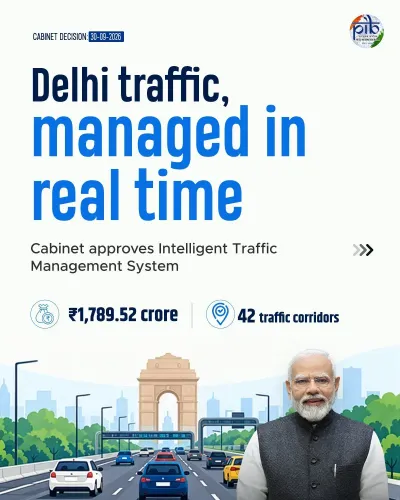
The Modi Cabinet has cleared a ₹1,789.52 crore AI-powered traffic overhaul for Delhi — the capital's biggest-ever technology investment in road management. Covering 42 corridors with adaptive signals, automated enforcement, and AI-driven vehicle tracking, it marks a fundamental shift from manual traffic control to a real-time, data-driven system for a city with 71 lakh registered vehicles and chronic congestion.
Key Takeaways
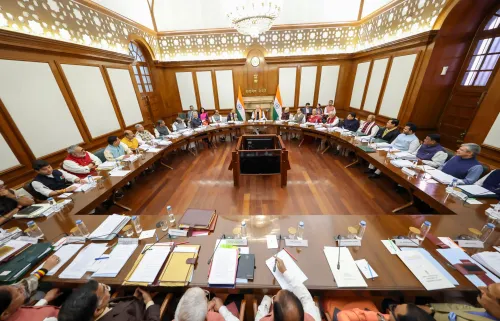
The CCEA , chaired by PM Narendra Modi , approved the ₹1,789.52 crore ITMS project for Delhi on 30 September .
The system will cover 42 traffic corridors and be rolled out in three phases over 24 months , followed by five years of operation and maintenance.
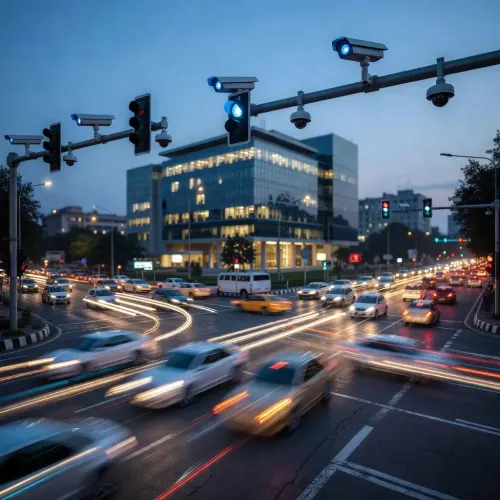
Adaptive Traffic Control Systems will dynamically adjust signal timings based on real-time traffic flow across major corridors.
AI analytics will detect stolen and blacklisted vehicles, repeat offenders, and vehicles linked to hit-and-run cases.
Automated enforcement will cover violations including speeding, red-light jumping, wrong-way driving, and mobile phone use while driving.
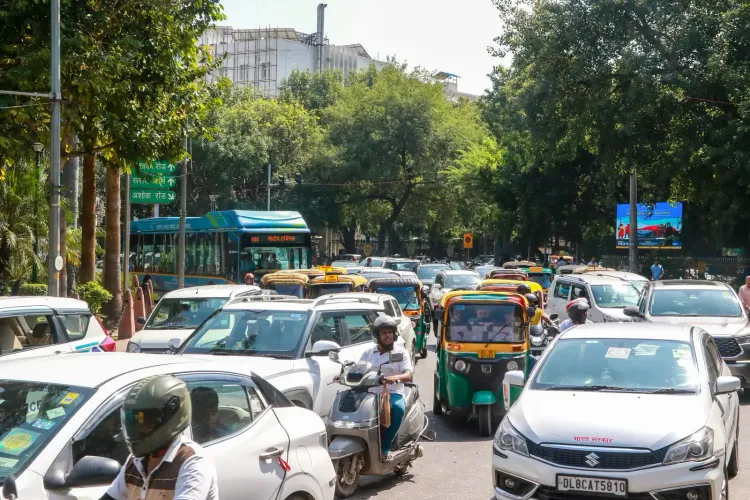
Delhi currently has around 71 lakh active registered vehicles , with vehicular growth far outpacing road infrastructure expansion.
The Cabinet Committee on Economic Affairs (CCEA), chaired by Prime Minister Narendra Modi, on Wednesday, 30 September approved the rollout of an Intelligent Traffic Management System (ITMS) for New Delhi at an estimated cost of ₹1,789.52 crore. The AI-powered initiative aims to overhaul traffic flow, road safety, and urban mobility across the national capital, which is currently home to roughly 71 lakh active registered vehicles.
Project Scope and Rollout
The ITMS will be implemented by Delhi Police across 42 identified traffic corridors, with the work structured across three phases spanning 24 months. A subsequent five-year operation and maintenance period will follow. The project forms part of a broader push by the Centre to modernise transport infrastructure in the capital.
According to the government, vehicular growth in Delhi has significantly outpaced road expansion, while traffic regulation has continued to rely heavily on fixed signal timings and manual intervention — a gap the new system is designed to close.
How the Technology Works
At the core of the ITMS are Adaptive Traffic Control Systems, which will automatically adjust signal timings based on real-time traffic flow and coordinate signals across major corridors to cut congestion and delays. The system integrates real-time traffic data, automated enforcement mechanisms, and a unified command-and-control infrastructure.
A notable feature is the provision for green corridors — priority signal sequences for ambulances and other emergency vehicles navigating congested routes. Commuters will receive live updates through Variable Message Sign boards and digital platforms covering traffic conditions, diversions, and parking availability. Traffic data may also be shared with navigation service providers to help users choose optimal routes.
AI-Driven Enforcement and Safety
The project will significantly expand automated enforcement, enabling detection of violations including red-light jumping, speeding, wrong-way driving, illegal parking, non-use of helmets and seat belts, and mobile phone use while driving. Artificial intelligence-based analytics will further assist in identifying stolen, blacklisted, and hot-listed vehicles, tracking repeat offenders, and flagging vehicles linked to hit-and-run cases.
Faster detection of accidents and road incidents will allow Delhi Police to manage diversions and corrective action more efficiently, according to the government.
Why This Matters
Delhi consistently ranks among the world's most congested cities, and the mismatch between vehicle growth and road capacity has worsened over the years. This is the most significant technology-led traffic infrastructure investment the capital has seen, and it signals a shift from reactive, manual traffic management toward a predictive, data-driven model. Notably, the project also has a direct road-safety dimension — automated enforcement is expected to reduce violations that contribute to fatal accidents.
With implementation timelines and phased disbursements now set, attention will turn to execution — particularly the pace of infrastructure deployment across all 42 corridors and integration with existing Delhi Police systems.
Point of View
790 crore approval is a headline, but the real test for Delhi's ITMS will be execution — a city this complex has seen ambitious infrastructure projects stall at the implementation stage before. The 24-month phased timeline is tight given the scale of 42 corridors and the need to integrate with Delhi Police's existing command infrastructure. More importantly, automated enforcement is only as effective as the adjudication system behind it; without fast-track processing of AI-flagged violations, the deterrence effect diminishes quickly. The project is the right intervention for the right problem — but India's urban traffic tech deployments have a patchy record of going live on schedule and at full capability.
NationPress
30 Sept 2026
Frequently Asked Questions
What is the Intelligent Traffic Management System approved for Delhi?
The ITMS is an AI-powered traffic overhaul approved by the Cabinet on 30 September at a cost of ₹1,789.52 crore. It will cover 42 traffic corridors across Delhi using adaptive signals, automated enforcement, and real-time data systems, implemented by Delhi Police over 24 months.
How will the Delhi ITMS reduce traffic congestion?
The system uses Adaptive Traffic Control Systems that automatically adjust signal timings based on live traffic flow and coordinate signals along major corridors. It will also provide commuters with real-time updates via Variable Message Sign boards and share data with navigation platforms to help users choose better routes.
What traffic violations will the new system detect automatically?
The ITMS will automate detection of red-light jumping, speeding, wrong-way driving, illegal parking, non-use of helmets and seat belts, and mobile phone use while driving. AI analytics will also identify stolen, blacklisted, and hot-listed vehicles and flag repeat offenders.
How long will the Delhi ITMS project take to complete?
The project will be implemented in three phases over 24 months, followed by a five-year operation and maintenance period. Phased rollout allows Delhi Police to bring corridors online progressively rather than all at once.
Why does Delhi need an AI-powered traffic management system?
Delhi has around 71 lakh active registered vehicles, and vehicular growth has significantly outpaced road infrastructure expansion. Traffic management has relied heavily on fixed signal timings and manual intervention, making a real-time, adaptive system necessary to optimise existing road capacity and improve safety.