Cabinet Clears ₹3,230 Cr Yuge Yugeen Bharat Museum at North-South Block
Synopsis
The Union Cabinet has approved the ₹3,230 crore Yuge Yugeen Bharat Museum at New Delhi's historic North and South Block Complex, with a proposed built-up area of 1,78,509 sq m — aiming to become the world's largest museum by display area.
Key Takeaways
Union Cabinet , chaired by PM Narendra Modi , approved the Yuge Yugeen Bharat Museum (YYBM) on 11 November 2026 .
Estimated project cost: ₹3,230 crore .
Location: iconic North and South Block Complex , New Delhi , developed through adaptive reuse preserving their heritage character.
Proposed built-up area of approximately 1,78,509 square metres , envisioned as the world's largest museum by display area .
Museum will integrate immersive technologies and contemporary museum practices to narrate India's civilisational heritage.
Approval is part of the broader Central Vista redevelopment project first initiated in 2019 .
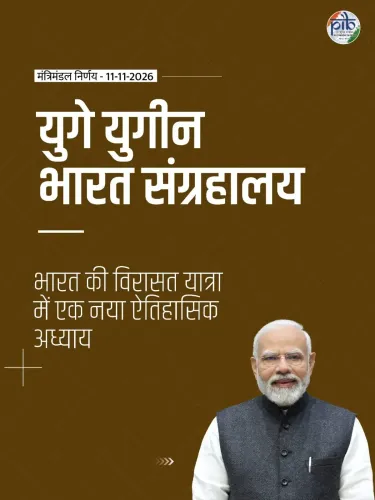
India is about to reimagine two of its most storied addresses. Union Road Transport and Highways Minister Nitin Gadkari announced on Wednesday, 11 November 2026 that the Union Cabinet, chaired by Prime Minister Narendra Modi, has approved the development of the Yuge Yugeen Bharat Museum (YYBM) at the iconic North and South Block Complex in New Delhi — at an estimated project cost of ₹3,230 crore.
From seat of government to civilisational showcase
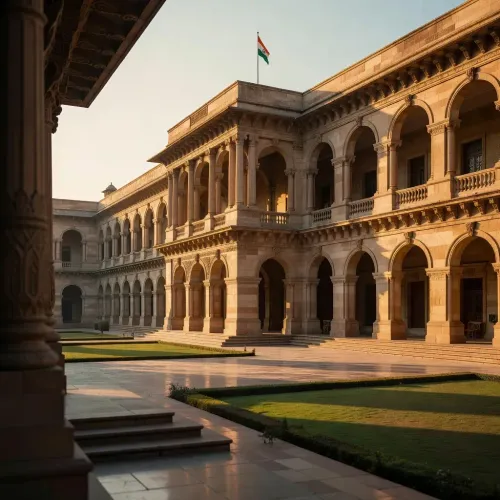
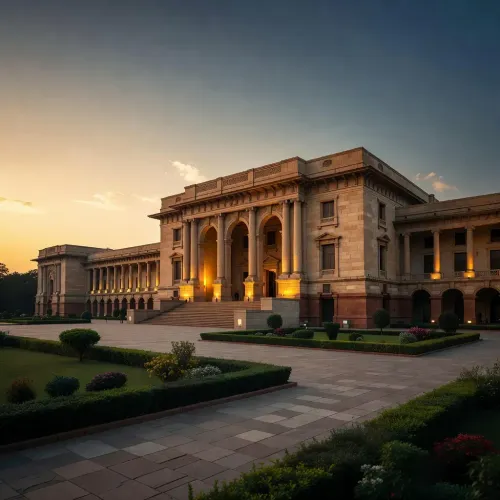
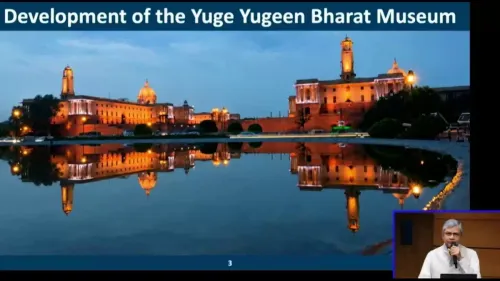
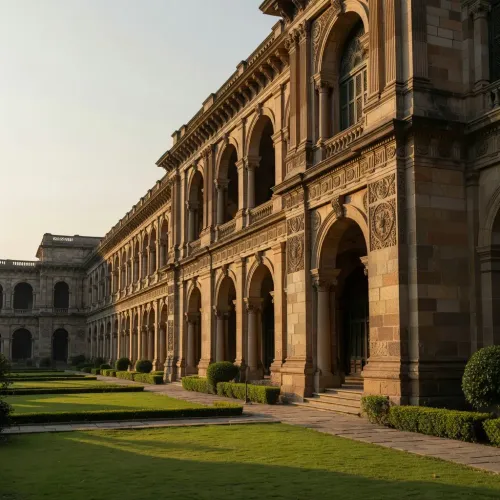
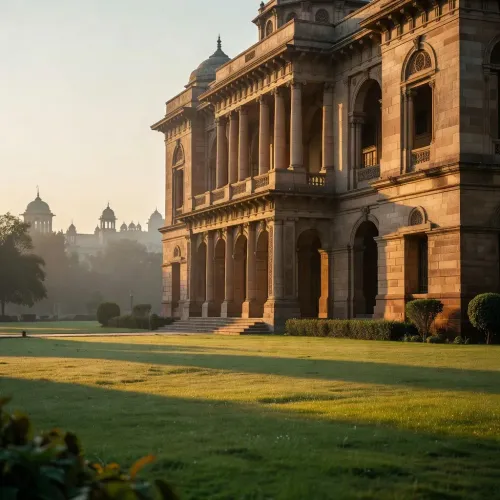
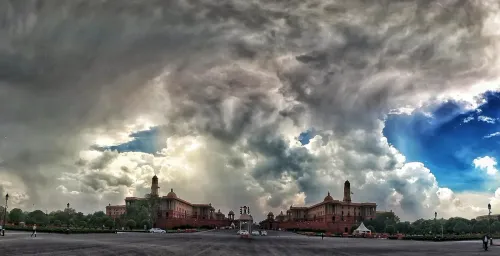
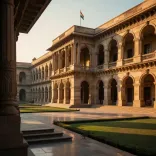
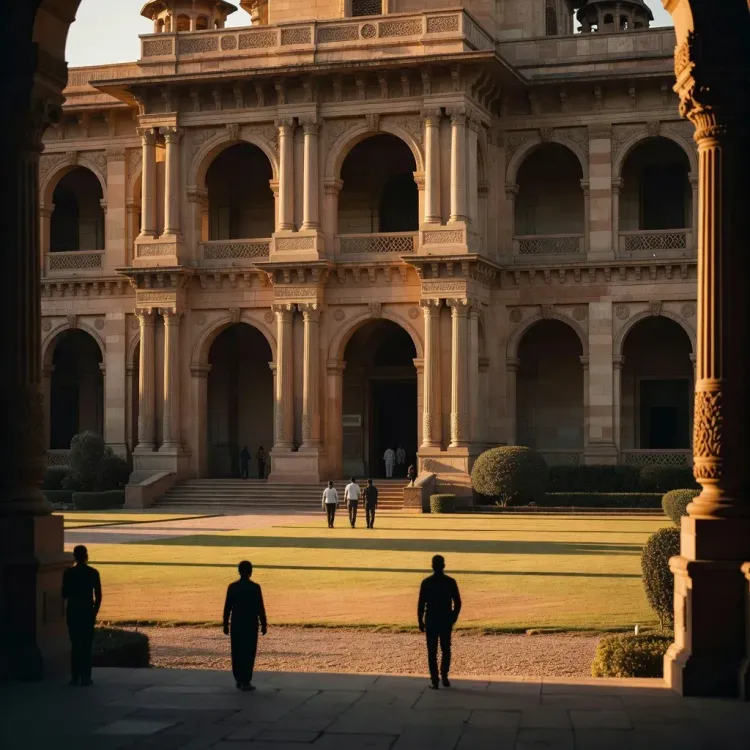
The North and South Block buildings, majestic Lutyens-era sandstone structures flanking Rajpath (now Kartavya Path) that have housed the Ministries of Finance and Home Affairs for decades, will be transformed through adaptive reuse — their architectural character and heritage significance preserved, while their interiors are refashioned into world-class public gallery spaces. The proposed built-up area spans approximately 1,78,509 square metres, a scale that positions YYBM to become the world's largest museum by display area.
The museum is envisioned to tell an integrated story of Bharat's civilisational heritage — weaving together tangible artefacts and intangible cultural legacy into a continuous, immersive narrative. Contemporary museum practices, immersive technologies and visitor-centric interpretation will all be deployed, with the institution explicitly benchmarked against leading international museums.
Central Vista's cultural pivot
This approval is the latest and largest milestone in the Central Vista redevelopment project, formally initiated in 2019, which envisaged repurposing heritage buildings in the Rashtrapati Bhavan precinct for cultural and public use. The broader pattern — converting colonial-era government offices into museums and interpretation centres — has been a consistent thread of cultural policy since 2014. YYBM now represents its most ambitious expression yet.
The critical logistical question the approval unlocks: when will the Finance and Home Ministries relocate from North and South Block, and what does the subsequent tendering and construction timeline look like? Those milestones will determine whether the museum's ambition translates on schedule.
What ₹3,230 crore buys India's cultural future
At ₹3,230 crore, the investment is substantial — but the stated ambition is proportionate. The museum is not merely a repository; it is pitched as a civilisational statement, designed to draw heritage tourists, school groups, and international visitors to a single address that narrates India's continuity across millennia. If the display-area claim holds, it would surpass institutions like the Louvre and the Metropolitan Museum of Art in sheer footprint — a marker the Cabinet clearly intends to plant firmly in the global cultural conversation.
India's story, the government is signalling, deserves a stage as large as the story itself.
Point of View
Shifting its identity from a bureaucratic reorganisation to a civilisational branding exercise. At ₹3,230 crore and a world-record footprint claim, the museum is designed as much for international perception as for domestic pride — a deliberate counter-narrative to the colonial framing of India's heritage. The critical political test will be execution: ministry relocations and construction timelines are complex, and delays in projects of this scale tend to become opposition flashpoints. If delivered on time, however, YYBM could become one of the defining cultural legacies of the Modi era.
NationPress
11 Nov 2026
Frequently Asked Questions
What is the Yuge Yugeen Bharat Museum?
The Yuge Yugeen Bharat Museum (YYBM) is a proposed civilisational museum approved by the Union Cabinet, to be built through the adaptive reuse of the historic North and South Block buildings in New Delhi, showcasing India's tangible and intangible cultural heritage.
What is the cost of the Yuge Yugeen Bharat Museum?
The estimated project cost approved by the Union Cabinet is ₹3,230 crore.
Where will the Yuge Yugeen Bharat Museum be located?
It will be located at the North and South Block Complex in New Delhi — the iconic Lutyens-era buildings that currently house the Ministries of Finance and Home Affairs.
Will YYBM be the world's largest museum?
The museum is envisioned to become the world's largest museum in terms of display area, with a proposed built-up area of approximately 1,78,509 square metres.
What will happen to the ministries currently in North and South Block?
The North and South Block buildings currently house key central government ministries; their relocation is a prerequisite for the museum project, though specific timelines for the move have not yet been announced.