Kolkata Airport on lockdown: CAPF deployed, Section 163 orders issued over Bankra Mosque namaz call
Synopsis
A 136-year-old mosque inside Kolkata Airport has become a flashpoint: the BJP state government began relocating it on national security grounds, a TMC-linked former minister called for Friday mass prayers in defiance, and the administration responded with Section 163 prohibitory orders and a CAPF-RAF deployment — turning an aviation safety dispute into a politically charged standoff.
Key Takeaways
Prohibitory orders under Section 163 BNSS, 2023 have been imposed around Netaji Subhas Chandra Bose International Airport , Kolkata, from Friday, 18 July 2025 .
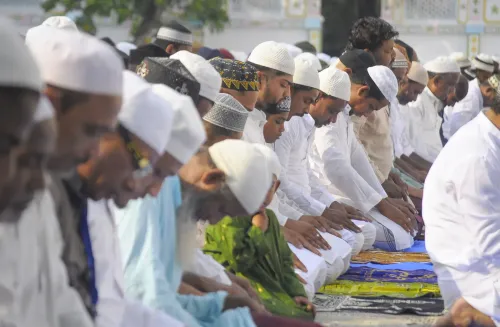
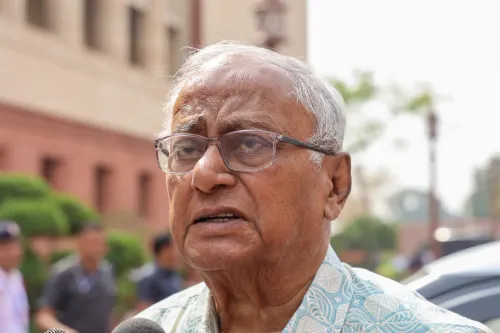
Former West Bengal minister Siddiqullah Chowdhury called for mass prayers at the Bankra Mosque inside the airport, defying administration restrictions.
CAPF , Bidhannagar City Police , and the Rapid Action Force (RAF) have been deployed; Gate No.
7 is under special patrol.
The 136-year-old Gauripur Jama Masjid is being relocated on national security and aviation safety grounds — the mosque sits near the airport's secondary runway.
The relocation was initiated by the Chief Minister Suvendu Adhikari -led BJP government after years of inconclusive negotiations under previous administrations.
Several minority organisations and TMC -affiliated groups have protested the relocation since it formally began last week.
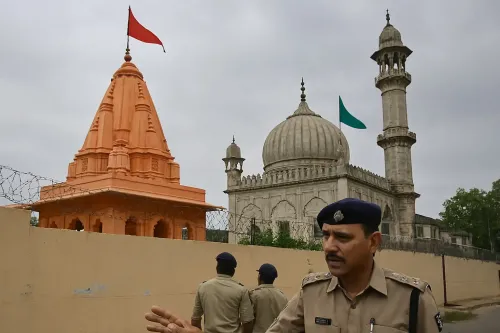
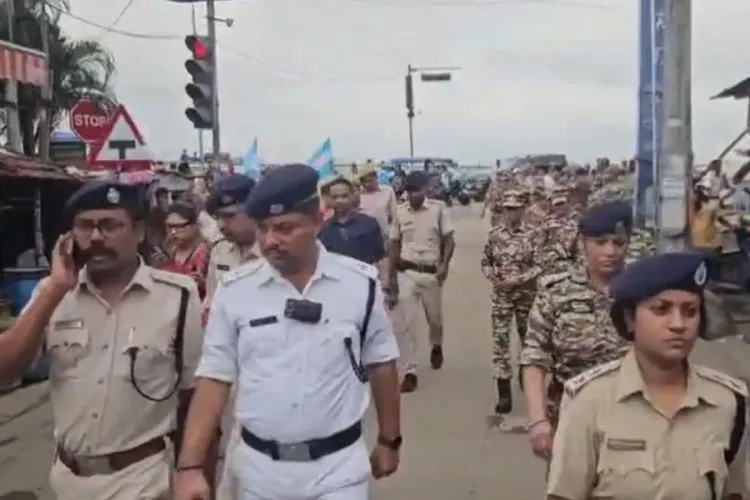
Prohibitory orders under Section 163 of the Bharatiya Nagarik Suraksha Sanhita (BNSS), 2023 have been clamped around Netaji Subhas Chandra Bose International Airport in Kolkata from Friday morning, 18 July 2025, barring assembly of four or more persons, after former West Bengal minister and Trinamool Congress-linked leader Siddiqullah Chowdhury called for mass prayers at the Bankra Mosque — a 136-year-old structure inside the airport premises currently undergoing relocation on national security grounds. Central Armed Police Forces (CAPF) personnel have been deployed alongside local police to enforce the order.
The Mosque Relocation Dispute
The Gauripur Jama Masjid, popularly known as the Bankra Masjid, has stood within the airport boundary for over a century. Relocation talks have been ongoing for several decades, with aviation authorities citing the mosque's proximity to the airport's secondary runway as a safety hazard — experts note it obstructs the expansion of that runway and complicates operations when the main runway is closed for maintenance. The formal relocation process was initiated last week by the Chief Minister Suvendu Adhikari-led Bharatiya Janata Party (BJP) government in West Bengal, following years of negotiations that had failed to produce a resolution under previous administrations.
Notably, this is the first concrete administrative action on the relocation after decades of discussion, and it comes shortly after a change of political power in the state — a context that has sharpened the controversy.
Chowdhury's Call and the Administration's Response
Siddiqullah Chowdhury, a former state minister and a prominent face of the protest movement against the relocation, announced Friday afternoon prayers at the mosque's original location, directly defying the administration's order restricting entry to the mosque via passes. In response, the Bidhannagar City Police — under whose jurisdiction the airport falls — issued the prohibitory orders and mounted a substantial security operation.
A combined force comprising CAPF personnel, Bidhannagar City Police officers, and the Rapid Action Force (RAF) has been deployed across the airport perimeter. Gate No. 7, previously the primary access point to the mosque, is under special patrol. Police are broadcasting announcements via microphones urging the public not to violate the orders, and the administration is monitoring the situation to ensure no disruption to airport passengers.
Aviation Safety at the Core
Airport officials have stated that the mosque's current position poses a tangible risk to aircraft operations, particularly during take-off and landing on the secondary runway. The structure has also stalled runway expansion work. According to aviation experts, any temporary closure of the main runway for maintenance would create significant difficulties for larger aircraft if the secondary runway remains constrained. These safety considerations form the official basis for the relocation, which authorities say has been pursued on national security grounds.
Political and Community Fault Lines
Several minority organisations and groups affiliated with the All India Trinamool Congress (TMC) — the previous ruling party in West Bengal — have mobilised against the relocation process since it formally began. Critics argue the timing and manner of the move lack adequate community consultation, though the administration maintains that negotiations have been underway for years. The BJP government has not publicly commented on Chowdhury's call for prayers as of Friday morning.
What Happens Next
The standoff between the administration and protest leaders will test the state government's ability to carry through a sensitive infrastructure decision without triggering communal tension. With prohibitory orders in force and a heavy security presence on the ground, authorities appear determined to prevent any breach. The broader question — of where the mosque will be relocated and what facilities will be provided — remains publicly unresolved, and is likely to define the next phase of this dispute.
Point of View
And the speed of the move has left little room for community trust-building. Chowdhury's defiance call is as much a political signal to the TMC base as it is a religious protest. The harder question — what credible, dignified relocation arrangement the government is offering — remains conspicuously unanswered in official communications, and that silence is what sustains the agitation.
NationPress
15 Oct 2026
Frequently Asked Questions
Why is the Bankra Mosque inside Kolkata Airport being relocated?
The 136-year-old Gauripur Jama Masjid , known as the Bankra Mosque, sits in close proximity to the airport's secondary runway, which officials say poses a risk to aircraft operations and has stalled runway expansion. Aviation authorities state that if the main runway is closed for maintenance, the mosque's location creates serious difficulties for large aircraft. The relocation was formally initiated on national security grounds by the BJP state government last week.
What are the Section 163 BNSS prohibitory orders issued around Kolkata Airport?
Section 163 of the Bharatiya Nagarik Suraksha Sanhita (BNSS), 2023 empowers authorities to prohibit assembly of four or more persons in a specified area to prevent a breach of peace. The Bidhannagar City Police invoked this provision around Netaji Subhas Chandra Bose International Airport from Friday morning in response to the call for mass prayers at the mosque.
Who is Siddiqullah Chowdhury and why did he call for Friday prayers at the mosque?
Siddiqullah Chowdhury is a former West Bengal minister and a Trinamool Congress-linked leader who has emerged as the leading public face of protests against the mosque relocation. He announced mass prayers at the mosque's original location on Friday afternoon, directly defying the administration's restriction on entry without passes, to assert the community's right to worship at the site.
What security forces have been deployed at Kolkata Airport?
A combined deployment of Central Armed Police Forces (CAPF), Bidhannagar City Police personnel, and the Rapid Action Force (RAF) has been positioned around the airport. Gate No. 7 — the former entry point to the mosque — is under special patrol, and police are making public announcements urging compliance with the prohibitory orders.
How long has the mosque relocation been under discussion?
Discussions about relocating the Bankra Mosque have been ongoing for several decades, but no firm decision was reached under previous state governments. The BJP government led by Chief Minister Suvendu Adhikari formally initiated the relocation process last week, marking the first concrete administrative action on the issue after years of inconclusive negotiations.