CBI arrests CGST superintendent in Vijayawada bribery case

Synopsis
A CGST superintendent in Vijayawada was caught red-handed by the CBI accepting a ₹50,000 bribe — part of a ₹1,50,000 demand — to suppress a tax notice against a private company. The arrest, backed by a trap operation and ongoing searches, puts a spotlight on corruption risks embedded in India's tax administration machinery.
Key Takeaways
The CBI arrested Banothu Mangamma , CGST Superintendent, Ibrahimpatnam, Vijayawada , on 10 August in a bribery case.
Mangamma allegedly demanded ₹1,50,000 from a private company owner to avoid a tax demand notice.
She was caught red-handed accepting ₹50,000 as part payment during a CBI trap operation.
Searches are underway at her Vijayawada premises to recover documents and digital records.
She is to be produced before the competent court in Vijayawada on 11 August .
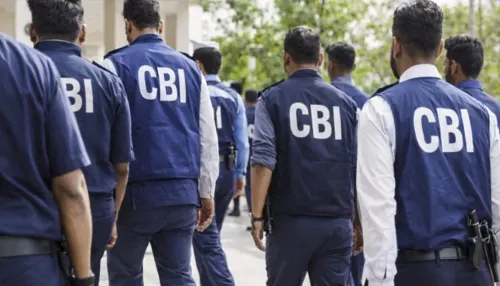
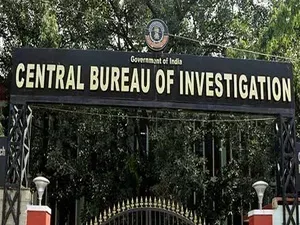
The Central Bureau of Investigation (CBI) has arrested Banothu Mangamma, Superintendent of the Central Goods and Services Tax (CGST) office at Ibrahimpatnam, Vijayawada, on charges of accepting a bribe from a private company owner, officials confirmed on Monday, 10 August. The arrest follows a trap operation in which the accused was caught red-handed.
How the Trap Was Laid
The CBI registered the case after a complaint alleged that Mangamma had demanded ₹1,50,000 from the complainant — who operates a private company — in exchange for not issuing a demand notice related to tax liability and for closing the matter without further proceedings. Acting on the complaint, the agency swiftly organised a trap operation and apprehended the accused while she was accepting ₹50,000 as part payment of the demanded amount. The bribe money was recovered on the spot during the proceedings.
Searches Underway at Accused's Premises
Following the arrest, the CBI launched searches at Mangamma's premises in Vijayawada. Officials said the searches are aimed at seizing documents, digital records, and other materials that could establish the full extent of the alleged corruption. The investigation is ongoing, and the agency has indicated that further details will be released as the inquiry progresses.
Court Production and Next Steps
The accused is scheduled to be produced before the competent court in Vijayawada on Tuesday, 11 August. The CBI has stated that the case will continue to be investigated thoroughly. Officials underlined the agency's commitment to rooting out corruption in government departments, particularly in revenue and taxation services, where public complaints have been frequent.
Broader Context
This arrest is part of the CBI's sustained crackdown on corruption within tax and revenue administration. Notably, CGST officials — who hold authority over tax assessments, demand notices, and compliance proceedings — occupy positions that critics argue are particularly susceptible to rent-seeking. This case underscores the vulnerability of small and medium business owners to demands from officials who can threaten costly tax proceedings. The CBI's use of a trap mechanism, a standard anti-corruption tool, signals that the agency is acting on specific complaints rather than conducting routine surveillance.
Point of View
Withdrawn, or held in abeyance without formal orders. For small business owners in Andhra Pradesh, the real cost of such corruption is not just the bribe — it is the chilling effect on compliance. Until the discretionary space available to field-level tax officers is narrowed through digital workflows and mandatory escalation protocols, arrests will remain a headline response to a structural failure.
NationPress
25 Sept 2026
Frequently Asked Questions
Who was arrested by the CBI in the Vijayawada CGST bribery case?
Banothu Mangamma , the Superintendent of the CGST office at Ibrahimpatnam, Vijayawada, was arrested by the CBI on 10 August for allegedly demanding and accepting a bribe from a private company owner.
How much bribe was demanded and how much was accepted?
Mangamma allegedly demanded ₹1,50,000 in total. She was caught red-handed by the CBI while accepting ₹50,000 as a part payment of that amount during a trap operation.
Why was the bribe allegedly demanded?
According to the CBI, the bribe was sought in exchange for not issuing a tax demand notice against the complainant's private company and for closing the matter without further action.
What happens next in the case?
Mangamma is to be produced before the competent court in Vijayawada on 11 August . The CBI is also conducting searches at her premises and has said the investigation is ongoing.
What is the significance of this arrest?
The case highlights corruption risks in India's tax administration, where officials can use the threat of demand notices as leverage. The CBI has emphasised its commitment to accountability in revenue and taxation departments, where public complaints are reportedly frequent.