CBI Raids Hazaribagh CWC Manager's Home, Seizes Rs 21 Lakh Cash
Synopsis
CBI arrested CWC manager Ravi Ranjan Kumar in Hazaribagh for accepting a Rs 1 lakh bribe, then raided his home to recover Rs 21 lakh cash, jewellery and property papers. Other CWC officials are now under investigation, signalling the probe may widen significantly.
Key Takeaways
Ravi Ranjan Kumar , a Central Warehousing Corporation (CWC) manager in Hazaribagh , was arrested by the CBI on April 24, 2025 for accepting a bribe of Rs 1 lakh .
Searches at Kumar's residence yielded Rs 21 lakh in unaccounted cash , jewellery, property documents, and digital evidence.
The complainant alleged the bribe was demanded to allow continuation of a work contract already officially awarded to him.
Kumar was produced before a Special CBI Court in Ranchi and remanded to judicial custody .
The CBI is investigating the roles of other CWC officials , indicating the corruption probe may expand beyond a single accused.
The case was formally registered on April 23, 2025 under the Prevention of Corruption Act .
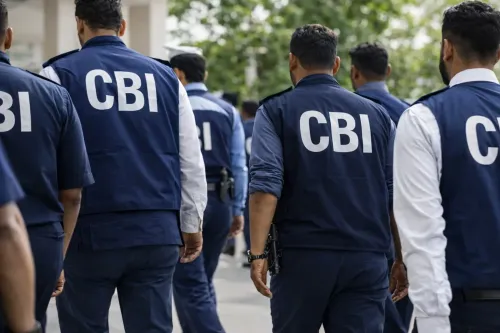
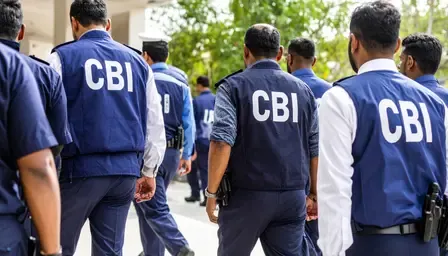
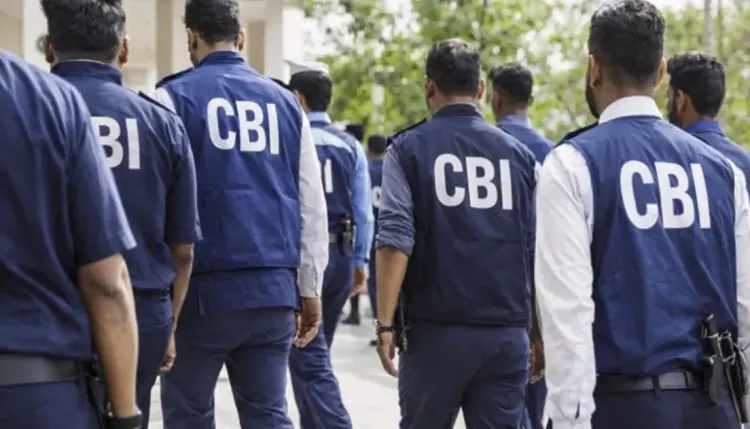
The Central Bureau of Investigation (CBI) on Saturday, April 26 conducted searches at the residence of Ravi Ranjan Kumar, a manager at the Central Warehousing Corporation (CWC) in Hazaribagh, Jharkhand, recovering Rs 21 lakh in cash, jewellery, property documents, and digital evidence in connection with a corruption case. Kumar had been arrested on Thursday, April 24, after being caught red-handed accepting a bribe of Rs 1 lakh. The case marks yet another instance of the CBI cracking down on graft within India's public sector undertakings.
Arrest and Court Remand
Ravi Ranjan Kumar was produced before a Special CBI Court in Ranchi following his arrest, which remanded him to judicial custody. The CBI had formally registered the corruption case against Kumar on April 23, 2025, after receiving a credible complaint from a contractor.
The complainant had alleged that Kumar demanded a bribe in exchange for allowing him to continue work on a project that had already been officially awarded to him — a textbook case of extortion under the guise of administrative authority.
How the CBI Trap Was Executed
Acting swiftly on the complaint, the CBI set up a carefully coordinated trap operation. Investigators caught Kumar in the act of accepting the bribe amount of Rs 1 lakh from the complainant, confirming the allegations beyond doubt.
Such trap operations are a standard CBI tool under the Prevention of Corruption Act, designed to catch public servants in the act rather than relying solely on documentary evidence. The success of the trap strengthened the prosecution's case significantly.
Searches Uncover Disproportionate Assets
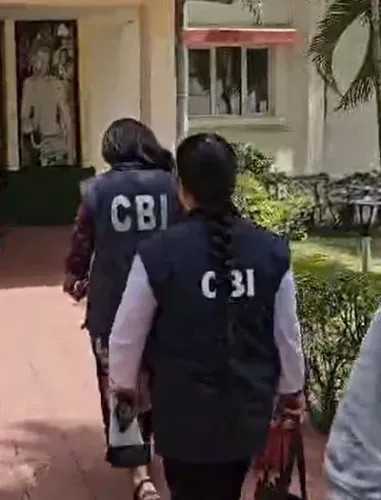
During subsequent searches at Kumar's residence, CBI teams recovered Rs 21 lakh in unaccounted cash, gold and other jewellery, property-related documents, and multiple digital devices that may contain crucial evidence of further transactions.
The recovery of assets far exceeding the stated bribe amount raises serious questions about whether Kumar's corrupt practices were systematic and long-running rather than an isolated incident. The CBI has indicated it is investigating the roles of other CWC officials as well, suggesting the net may widen.
Broader Investigation and Institutional Accountability
The Central Warehousing Corporation, a government-owned entity under the Ministry of Consumer Affairs, Food and Public Distribution, manages strategic storage infrastructure across India. Corruption within such bodies directly impacts supply chain integrity, contractor livelihoods, and public resources.
This case is part of a broader pattern of CBI anti-corruption drives targeting mid-level public sector managers who exploit their gatekeeping roles to extort contractors. Notably, similar CBI trap operations have resulted in arrests across PSUs in Bihar, Uttar Pradesh, and Odisha in recent years, pointing to a systemic vulnerability in how work orders and project continuations are administered.
The CBI stated that further investigations are ongoing to determine whether additional individuals were involved and whether a wider network of corrupt practices exists linked to the accused. Authorities have not ruled out further arrests as the probe deepens.
What Happens Next
With Kumar in judicial custody, investigators are expected to analyse the seized digital devices and financial records to trace any money trail. The involvement of other CWC officials is under active scrutiny, and the agency may seek Kumar's custodial interrogation if warranted by emerging evidence.
Legal experts note that conviction under the Prevention of Corruption Act, 1988 can carry a prison sentence of up to seven years, along with asset forfeiture. The case is expected to proceed to trial in the Special CBI Court, Ranchi, with the chargesheet likely to be filed within 60 days of arrest as mandated by law.
As the investigation expands, this case could serve as a significant deterrent for corrupt practices within India's vast network of central public sector undertakings — and a test of the CBI's resolve to pursue institutional accountability beyond the point of arrest.
Point of View
But likely a well-oiled extortion system embedded within a central government body. The CBI's decision to investigate other CWC officials signals institutional rot, not individual misconduct. India's vast PSU network remains a fertile ground for mid-level gatekeepers who exploit procedural chokepoints to squeeze contractors, and without systemic reforms in how work orders and continuations are approved, arrests alone will only scratch the surface. The real test is whether this case leads to structural accountability or becomes yet another isolated prosecution.
NationPress
24 Oct 2026
Frequently Asked Questions
Who is Ravi Ranjan Kumar and why was he arrested by the CBI?
Ravi Ranjan Kumar is a manager at the Central Warehousing Corporation (CWC) in Hazaribagh, Jharkhand , arrested by the CBI on April 24, 2025 for allegedly accepting a bribe of Rs 1 lakh . A contractor had complained that Kumar demanded the bribe to allow continuation of a work project already officially awarded to him.
What did the CBI recover during searches at the arrested CWC manager's home?
The CBI recovered Rs 21 lakh in cash , jewellery, property documents, and digital evidence from the residence of Ravi Ranjan Kumar in Hazaribagh . The assets recovered far exceeded the bribe amount, raising suspicion of long-running corrupt practices.
What is the Central Warehousing Corporation (CWC) and why is it significant?
The Central Warehousing Corporation (CWC) is a government-owned entity under India's Ministry of Consumer Affairs, Food and Public Distribution , responsible for managing strategic storage infrastructure nationwide. Corruption within CWC directly affects supply chain operations and contractor livelihoods.
Are other CWC officials being investigated in this corruption case?
Yes, the CBI has confirmed that the roles of other officials of CWC are being actively investigated as part of the same corruption case. The agency has not ruled out further arrests as the probe progresses.
What legal action can Ravi Ranjan Kumar face under the Prevention of Corruption Act?
Under the Prevention of Corruption Act, 1988 , conviction can carry a prison sentence of up to seven years along with possible asset forfeiture. Kumar has been remanded to judicial custody and his case will be heard by the Special CBI Court in Ranchi .