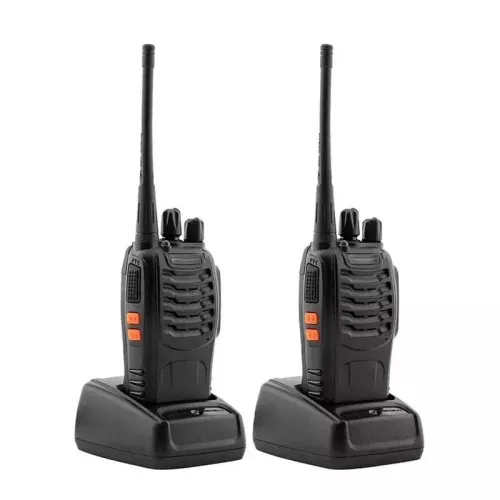
CCPA fines Hogar Technologies ₹1 lakh for walkie-talkie misleading ads
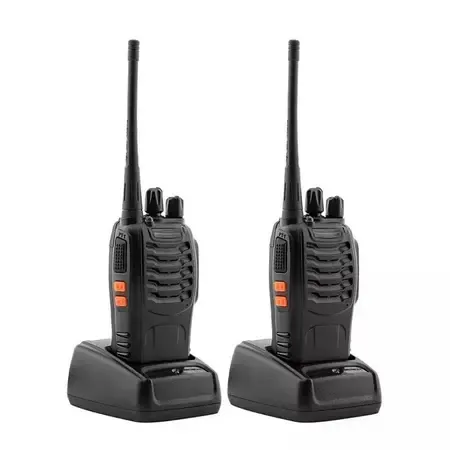
Synopsis
The CCPA's ₹1 lakh fine on Hogar Technologies is the latest strike in a sweeping enforcement drive that has now penalised 12 entities — including Amazon, Flipkart, and Meta — a cumulative ₹58 lakh for selling walkie-talkies online without disclosing mandatory frequency and licensing information. The campaign is reshaping what 'misleading advertisement' means for product listings, even on informational websites.
Key Takeaways
The CCPA imposed a ₹1 lakh penalty on Hogar Technologies and Innovations LLP on 25 October 2026 for misleading walkie-talkie advertisements.
Listings failed to disclose operating frequencies , licensing requirements , and regulatory approvals — potentially misleading consumers about legal use.
The CCPA has identified over 16,970 non-compliant walkie-talkie listings and issued notices to 13 e-commerce entities .
Cumulative penalties against 12 entities now stand at ₹58 lakh ; Amazon , Flipkart , and Meta each face ₹10 lakh fines.
Amazon , Flipkart , and Meta have reportedly challenged the CCPA orders before judicial forums.
The Central Consumer Protection Authority (CCPA) has imposed a penalty of ₹1 lakh on Hogar Technologies and Innovations LLP for running misleading advertisements and product listings of walkie-talkies that failed to disclose critical regulatory information — including operating frequencies and applicable licensing requirements. The order, passed on Sunday, 25 October 2026, was issued under the authority of Chief Commissioner Nidhi Khare and Commissioner Anupam Mishra.
What the CCPA Found
The CCPA examined advertisements and product listings of various walkie-talkie models displayed on the Hogar Technologies website and observed that the listings omitted the operating frequencies of the devices, applicable licensing requirements, and relevant regulatory approvals. According to the authority, such omissions could mislead consumers into believing that the devices could be legally operated without obtaining mandatory regulatory authorisations.
Under the rules governing low-power and very-low-power short-range radio frequency devices, personal mobile radios operating within the prescribed frequency range of 446.0–446.2 MHz are exempt from licensing requirements, subject to applicable conditions. Devices operating outside this range, however, remain subject to full regulatory requirements — a distinction the listings did not make clear.
What the Company Argued
Hogar Technologies submitted during proceedings that it held a valid Dealer Possessing Licence (DPL) and that the devices carried applicable Equipment Type Approval (ETA) certifications. The company also contended that its website was primarily designed for informational and lead-generation purposes and did not facilitate direct online transactions, arguing this placed it outside the scope of misleading advertisement rules.
The CCPA rejected both defences. It observed that possession of regulatory approvals does not absolve an advertiser of the obligation to provide accurate, complete, and material information to consumers at the pre-purchase stage. It further held that the absence of an online payment gateway or shopping cart does not exclude promotional representations made through a website from the ambit of misleading advertisements under the Consumer Protection Act, 2019.
Part of a Broader Enforcement Drive
The action against Hogar Technologies is the latest move in the CCPA's ongoing enforcement campaign targeting walkie-talkie listings across e-commerce and online platforms. The authority had earlier taken suo motu cognisance of large-scale non-compliant listings, identifying over 16,970 such listings across platforms and issuing notices to 13 e-commerce entities — including Amazon, Flipkart, Meesho, Meta (Facebook Marketplace), JioMart, IndiaMART, and TradeIndia, among others.
The CCPA has so far passed final orders against 12 entities, imposing cumulative penalties of ₹58 lakh. These include penalties of ₹10 lakh each on Amazon Seller Services Pvt. Ltd., Flipkart Internet Pvt. Ltd., Meesho Pvt. Ltd., Meta Platforms, and TradeIndia (Infocom Network Pvt. Ltd.). Penalties of ₹1 lakh each have been imposed on JioMart (Reliance Retail Ltd.), Chimiya, MaskMan Toys, Talk Pro (Iconet Services Pvt. Ltd.), Sanchar Wireless Communications Ltd., Antriksh Technosys Pvt. Ltd., and Hogar Technologies and Innovations LLP.
Legal Challenges Underway
Notably, several of the penalised entities have contested the CCPA's orders before judicial forums. Amazon Seller Services Pvt. Ltd., Flipkart Internet Pvt. Ltd., and Meta Platforms have reportedly challenged both the orders and the proceedings initiated against them. The outcome of these legal challenges could have broader implications for how platform liability is defined in consumer protection enforcement.
What Happens Next
The CCPA's campaign signals that regulatory disclosure obligations apply at every stage of the consumer journey — including pre-purchase website listings — regardless of whether a direct transaction occurs online. Industry observers expect the authority to continue scrutinising both manufacturers and platforms for compliance. Sellers and dealers of radio frequency devices may need to urgently audit their listings to ensure frequency ranges, licensing conditions, and regulatory approvals are prominently disclosed.
Point of View
And that holding regulatory approvals does not substitute for disclosing them to consumers. The cumulative ₹58 lakh in penalties across 12 entities, including the largest e-commerce platforms in the country, signals that the authority is willing to go after structural non-compliance rather than just individual bad actors. The legal challenges filed by Amazon, Flipkart, and Meta will be the real test: if courts uphold the CCPA's broad definition of 'misleading advertisement,' it will force a wholesale audit of product listing standards across Indian e-commerce. The bigger question is whether penalties at this scale — ₹10 lakh for a platform generating thousands of crores in revenue — are sufficient deterrent, or whether they will simply be absorbed as a cost of doing business.
NationPress
25 Oct 2026
Frequently Asked Questions
Why did the CCPA fine Hogar Technologies?
The CCPA fined Hogar Technologies ₹1 lakh because its walkie-talkie product listings and advertisements failed to disclose operating frequencies, applicable licensing requirements, and regulatory approvals — omissions the authority ruled could mislead consumers into thinking the devices could be operated legally without obtaining necessary authorisations.
What are the walkie-talkie licensing rules in India?
Under Indian rules governing low-power short-range radio frequency devices, personal mobile radios operating within the 446.0–446.2 MHz frequency range are exempt from licensing requirements, subject to applicable conditions. Devices operating outside this frequency band are subject to full regulatory requirements, including obtaining the relevant licences.
How much has the CCPA collected in penalties for walkie-talkie non-compliance?
The CCPA has imposed cumulative penalties of ₹58 lakh across 12 entities as part of its walkie-talkie enforcement drive. Penalties of ₹10 lakh each were levied on Amazon, Flipkart, Meesho, Meta Platforms, and TradeIndia, with ₹1 lakh penalties on JioMart, Chimiya, MaskMan Toys, Talk Pro, Sanchar Wireless, Antriksh Technosys, and Hogar Technologies.
Can a website that does not sell products directly still be held liable for misleading advertisements?
Yes, according to the CCPA. The authority ruled that the absence of an online payment gateway or shopping cart does not exempt promotional representations on a website from the Consumer Protection Act, 2019. Advertisements and product listings must provide adequate regulatory information regardless of whether the product is sold directly through that platform.
Are the CCPA's walkie-talkie orders being challenged in court?
Yes. Amazon Seller Services Pvt. Ltd., Flipkart Internet Pvt. Ltd., and Meta Platforms have reportedly challenged the CCPA's orders and related proceedings before judicial forums. The outcome of these cases could significantly influence how platform liability for misleading listings is interpreted under Indian consumer law.