MMDR Amendment Bill 2026: Centre moves to curb state mineral taxes in Lok Sabha
Synopsis
The Centre's MMDR Amendment Bill 2026 is a direct move to strip mineral-rich states of their power to levy taxes on mineral rights — a significant shift in Centre-state fiscal relations that could reshape input costs for steel, cement, and power industries while triggering a political battle with opposition-run states sitting on vast mineral reserves.
Key Takeaways
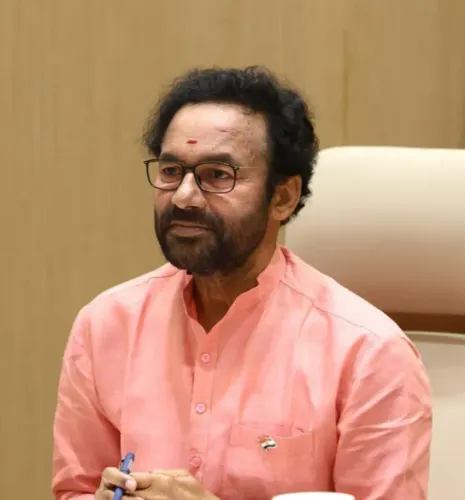
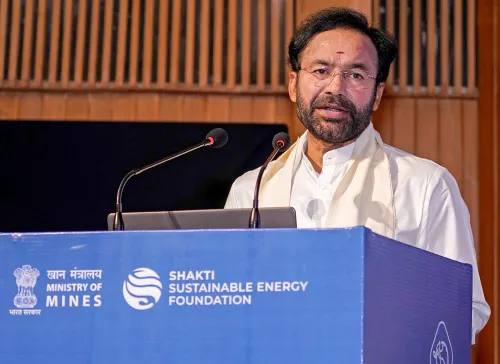
The MMDR Amendment Bill, 2026 was introduced in the Lok Sabha on 10 August 2026 by Coal and Mines Minister G.
The Bill proposes that no tax, cess, or levy shall be imposed by any state government on mineral rights .
The Centre seeks authority to regulate mineral-bearing lands based on parameters such as mineral quantity, value, or royalty.
Taxes not yet deposited with states before the Act's commencement will be invalidated ; amounts already collected will not be refunded .
The government argues state-level fiscal disparities distort supply chains and risk increasing mineral imports despite adequate domestic reserves.
Mineral-rich states including Jharkhand , Odisha , and Chhattisgarh are expected to be most affected by the proposed curbs.
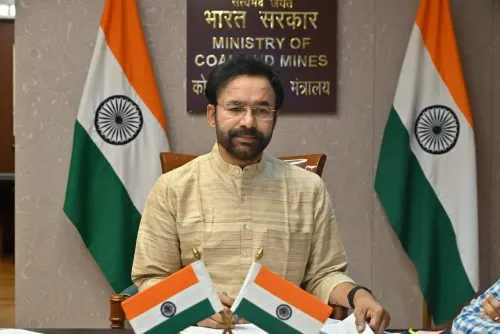
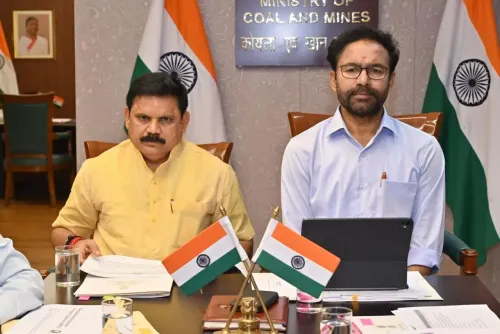
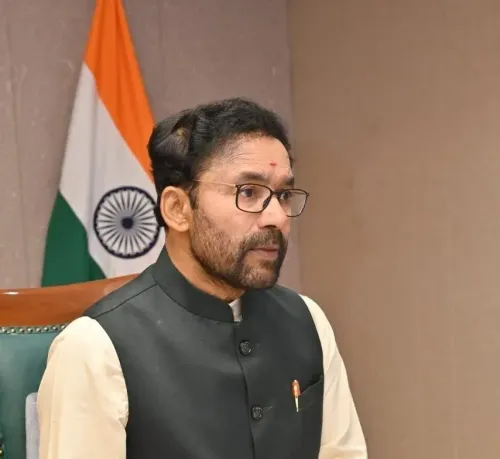
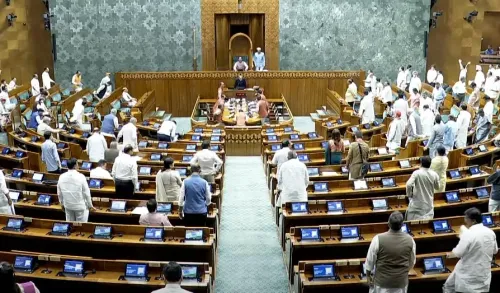
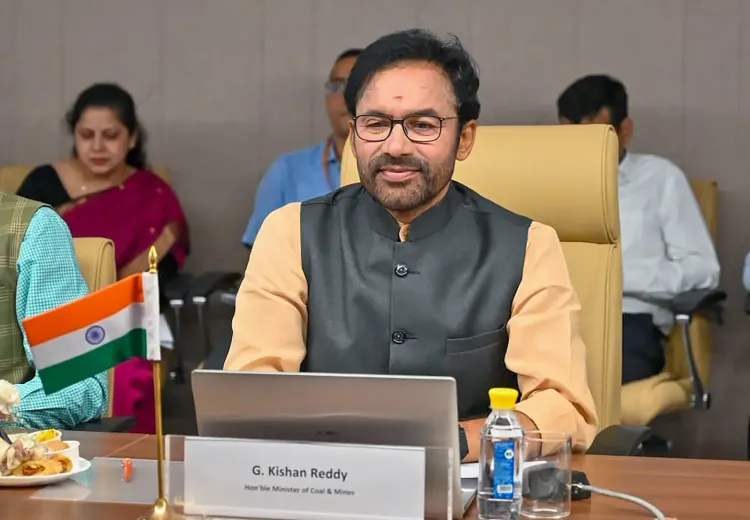
The Centre on Monday, 10 August 2026, introduced the Mines and Minerals (Development and Regulation) Amendment Bill, 2026 in the Lok Sabha, proposing to bar state governments from levying taxes, cess, or other charges on mineral rights and bringing certain mineral-bearing lands under central regulation. The Bill, tabled by Coal and Mines Minister G. Kishan Reddy, seeks to impose uniformity in the fiscal treatment of minerals across states.
What the Bill Proposes
The legislation proposes inserting a new section in the Mines and Minerals (Development and Regulation) Act (MMDR Act) explicitly stating that 'no tax, cess or such other levy (by whatever name called) shall be imposed by the state government on mineral rights.' It also empowers the Centre to assume regulatory control over mineral-bearing lands based on parameters such as mineral quantity, mineral value, or royalty — as prescribed under the MMDR Act's rules.
Notably, the Bill proposes to invalidate any such tax, cess, or levy that had not yet been deposited with or recovered by a state government before the Amendment Act comes into force. However, amounts already deposited with or recovered by state governments prior to commencement will not be liable for refund, according to the Bill's text.
Why the Centre Is Acting
Minister Reddy cited the absence of reasonable limits on state-level mineral taxes as a source of significant uncertainty for investors and industries. According to the Bill's Statement of Objects and Reasons, the measure is aimed at providing 'certainty, stability and predictability' to the mining sector.
The government has argued that wide disparities in mineral-related taxes across states distort supply chains and raise input costs for industries dependent on domestic mineral resources. Reddy further cautioned that steep or unbalanced state levies could push industries to bypass local supply lines, resulting in inefficient market development, higher transportation costs, and increased pollution.
'There is also a risk of an increase in imports of minerals despite having sufficient local mineral resources as domestic mineral supply becomes expensive,' Reddy said.
Retrospective Tax Concerns
A key driver of the amendment is the government's concern over retrospective mineral tax impositions by states. The Centre has argued that such retrospective levies cause legal uncertainty and erode investor trust — a concern that has grown sharper following court rulings that opened the door to states claiming back-taxes on mineral extraction.
This is in addition to the existing constitutional provision that declares the Union's control over the regulation of mines and the development of minerals, according to the Bill.
Impact on States and Industries
The Bill is set to significantly curtail the fiscal autonomy of mineral-rich states such as Jharkhand, Odisha, Chhattisgarh, and Rajasthan, which have historically relied on mineral levies as a revenue source. Industries across steel, cement, and power sectors — heavily dependent on domestic coal, iron ore, and limestone — stand to benefit from greater cost predictability if the Bill is enacted.
The legislation now awaits parliamentary debate and passage before it can be referred to the Rajya Sabha. How opposition-governed mineral-rich states respond to the curtailment of their taxing powers is expected to shape the political trajectory of the Bill.
Point of View
And the Bill effectively neuters that power. The invalidation of uncollected retrospective taxes will be welcomed by industry, but it sets a precedent for the Centre overriding state fiscal decisions post-facto. The real test will be whether the Bill survives the Rajya Sabha, where opposition states have a stronger voice, and whether it faces a constitutional challenge on grounds of federal overreach.
NationPress
10 Aug 2026
Frequently Asked Questions
What is the MMDR Amendment Bill 2026?
The Mines and Minerals (Development and Regulation) Amendment Bill, 2026 is a legislation introduced in the Lok Sabha on 10 August 2026 that proposes to prohibit state governments from imposing taxes, cess, or levies on mineral rights. It also seeks to bring regulation of certain mineral-bearing lands under central government control.
Why is the Centre restricting states from taxing mineral rights?
The Centre argues that wide disparities in state-level mineral taxes create uncertainty, distort supply chains, and raise costs for industries dependent on domestic minerals. Officials have also warned that expensive domestic mineral supply could push industries toward imports despite sufficient local reserves.
Will states have to refund mineral taxes already collected?
No. The Bill specifies that taxes, cess, or levies already deposited with or recovered by state governments before the Amendment Act comes into force will not be liable for refund. However, amounts not yet collected will be invalidated.
Which states will be most affected by the MMDR Amendment Bill?
Mineral-rich states such as Jharkhand, Odisha, Chhattisgarh, and Rajasthan, which rely significantly on mineral levies as a revenue source, are expected to be most affected. Many of these states are governed by opposition parties, making the Bill politically contentious.
What happens next after the Bill was introduced in Lok Sabha?
The Bill will undergo parliamentary debate in the Lok Sabha before being put to a vote. If passed, it will then move to the Rajya Sabha for approval. Opposition-governed mineral-rich states are expected to contest the legislation both in Parliament and potentially through legal challenges.