CG Semi in Sanand: From Hercules cycles to semiconductor chips, women lead the floor
Synopsis
A conglomerate that put Hercules bicycles on Indian roads in 1951 is now producing semiconductor chips from the same Gujarat region — and women trained in Malaysia are running the machines. CG Semi's ₹7,600 crore Sanand plant is one of India's first operational OSAT facilities, and its women-majority shopfloor is as striking as the chips it makes.
Key Takeaways
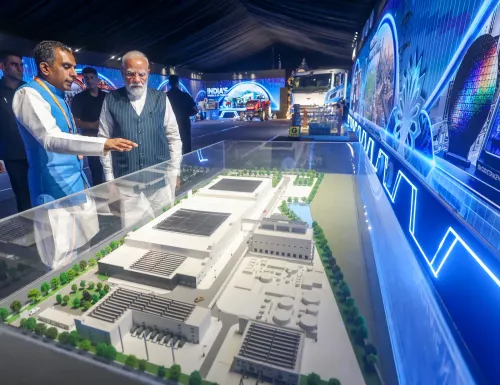
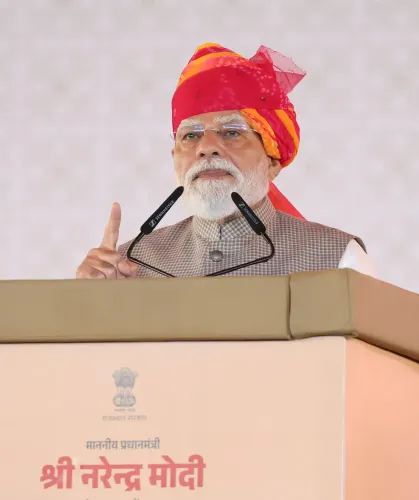
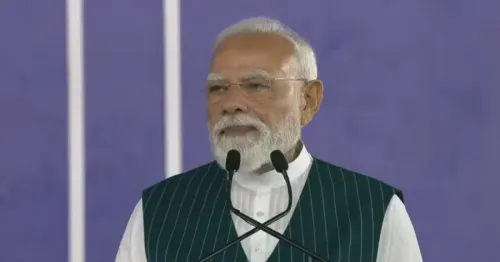
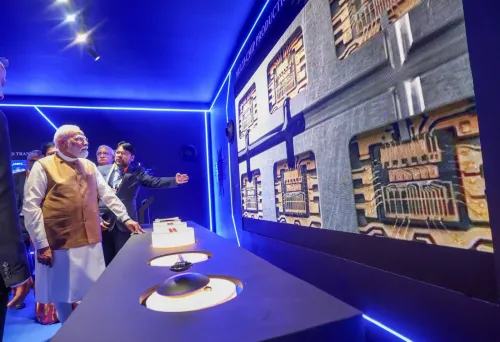
CG Semi launched commercial semiconductor chip production at its Sanand, Gujarat OSAT facility on 4 July 2026 , inaugurated by Prime Minister Narendra Modi .
The plant represents an investment of ₹7,600 crore and will supply chips to both domestic and international markets.
CG Semi is a joint venture with Japan's Renesas Electronics and Thailand's Star Microelectronics ; Renesas provides technology and is also the primary chip buyer.
The facility is majority-operated by women employees from multiple Indian states, trained for three months in Malaysia .
The parent Murugappa Group launched the Hercules bicycle brand from Gujarat in 1951 , making the chip venture a full-circle industrial transformation.
CG Semi's OSAT facility in Sanand, Gujarat — backed by a ₹7,600 crore investment — has begun commercial production of semiconductor chips, marking a defining chapter in India's semiconductor mission. The plant is operated by a joint venture rooted in the Murugappa Group, a Chennai-based conglomerate whose Gujarat connection stretches back to 1951, when it launched the iconic Hercules bicycle brand from the same region.
A Journey From Cycles to Chips
The Murugappa Group's Gujarat story began when it launched TI Cycles in partnership with the UK's Tube Investments company. The facility was inaugurated by Krishnakumarsinhji Gohil, the last ruler of the erstwhile princely state of Bhavnagar. From that factory, the Hercules brand grew into one of India's most recognised bicycle names over the following decades.
Today, the same group's semiconductor arm, CG Semi, is at the forefront of a different kind of manufacturing revolution. On 4 July 2026, Prime Minister Narendra Modi officially launched commercial chip production at the Sanand facility — a milestone that positions Gujarat at the centre of India's ambitions to build a domestic semiconductor supply chain.
The Joint Venture Behind CG Semi
CG Semi is a joint venture between Japan's Renesas Electronics and Thailand's Star Microelectronics, with CG Semi holding the majority stake. The Japanese partner, Renesas, is also the primary technology provider and will purchase the semiconductor chips manufactured at Sanand for its own supply chain. The Sanand plant will supply chips to both domestic and international markets, according to company officials.
This comes amid India's broader push to reduce dependence on imported chips, a vulnerability exposed sharply during the global semiconductor shortage of 2021–22 that disrupted automotive, electronics, and appliance industries nationwide.
Women Powering the Factory Floor
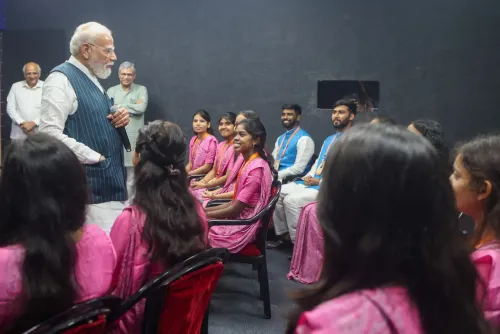
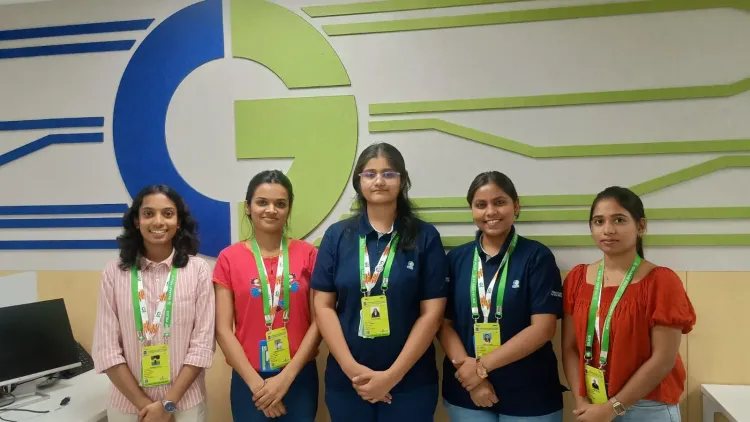
One of the most distinctive aspects of the Sanand facility is its workforce composition. CG Semi officials confirmed that the majority of machine operations on the factory floor are handled by women employees drawn from multiple states across India. To equip them for precision semiconductor work, the company sent women employees from Gujarat and several other states to Malaysia for a three-month training programme at an operational semiconductor plant.
Shreya Patel, a native of Navsari, and Jhanvi Patadiya from Surendranagar — both working as Process Quality Engineers at the Sanand plant — spoke about what drew them to the industry. 'Using chips made me interested in their manufacturing process. When I got the opportunity to work in this industry, I chose to pursue it. At present, we are thoroughly engaged in learning the technical aspects of the semiconductor sector,' Shreya said.
Jhanvi highlighted what makes this posting uniquely challenging. 'During our training in Malaysia, we worked in an operational company. Here, however, the company is being built from the ground up. That brings many exciting opportunities, and each one gives us an opportunity to learn something new,' she said.
Voices From the Shopfloor
Sandra E.K. from Kerala, a Process Engineer at CG Semi, said her perspective shifted entirely after joining the plant. 'I learnt about this opportunity during my internship. Earlier, I had limited exposure to this, but after coming here and seeing the industry firsthand, my perspective has completely changed,' she noted.
Akanksha Tanwar from Indore, an Electronics and Communication Engineering graduate working as a Process Engineer, described her overseas training as a turning point. 'This was my first opportunity to go abroad for training and learn more about semiconductors. It has opened up many opportunities for growth in this field,' she said.
With commercial production now underway and a women-majority shopfloor setting a new benchmark for inclusion in deep-tech manufacturing, the Sanand facility signals that India's semiconductor ambitions are no longer just policy targets — they are operational realities.
Point of View
Which raises questions about how much value India actually captures. The women-led shopfloor is genuinely significant, but the deeper test is whether these roles translate into engineering leadership over time, or remain confined to machine operations. India's semiconductor ambitions need homegrown design and IP, not just assembly capacity. Sanand is a start, but the distance between an OSAT facility and a self-sufficient chip ecosystem is still vast.
NationPress
13 Sept 2026
Frequently Asked Questions
What is CG Semi and where is its semiconductor plant located?
CG Semi is a semiconductor company linked to the Murugappa Group, operating as a joint venture with Japan's Renesas Electronics and Thailand's Star Microelectronics. Its OSAT (Outsourced Semiconductor Assembly and Test) facility is located in Sanand, Gujarat, and began commercial chip production on 4 July 2026.
How much has been invested in the CG Semi Sanand plant?
CG Semi has invested ₹7,600 crore in establishing its OSAT facility in Sanand, Gujarat. The plant will supply semiconductor chips to both domestic and international markets, with Japan's Renesas Electronics as the primary technology partner and buyer.
Why is the CG Semi plant's workforce notable?
The majority of machine operations at the Sanand plant are carried out by women employees sourced from multiple Indian states. To prepare them, the company sent these workers to Malaysia for a three-month hands-on training programme at an operational semiconductor facility before production began.
What is the connection between Murugappa Group and the Hercules bicycle brand?
The Murugappa Group launched TI Cycles in partnership with the UK's Tube Investments in 1951, inaugurated by Krishnakumarsinhji Gohil, the last ruler of the erstwhile Bhavnagar princely state. The Hercules bicycle brand emerged from that venture and became one of India's most recognised cycle brands — making the group's current semiconductor foray a remarkable industrial transformation.
Who launched the CG Semi chip production facility in Sanand?
Prime Minister Narendra Modi officially launched commercial semiconductor chip production at CG Semi's Sanand facility on 4 July 2026, as part of India's broader national semiconductor mission.