Chennai electric bus phase 2: 130 AC e-buses to launch from Alandur depot
Synopsis
Tamil Nadu CM C. Joseph Vijay launches Chennai's second electric bus phase on Tuesday, rolling out 130 AC e-buses from Alandur to start. With 750 buses planned across seven depots, the city's combined EV fleet will hit 1,375 — one of South India's largest — as the state doubles down on diesel-free public transport.
Key Takeaways
Joseph Vijay will inaugurate phase 2 of Chennai's electric bus programme on Tuesday, 26 August .
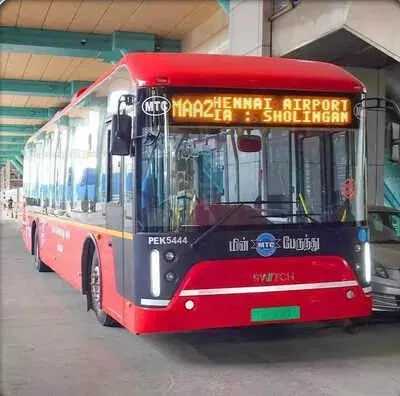
An initial batch of 130 AC electric buses will begin services from the Alandur depot .
The MTC plans to deploy 750 low-floor AC electric buses across 7 depots under phase 2.
Phase 1 deployed 625 electric buses from 5 depots at a cost of ₹697 crore .
Once fully operational, Chennai's combined electric bus fleet will reach 1,375 vehicles .
Low-floor design ensures accessibility for senior citizens and persons with disabilities .
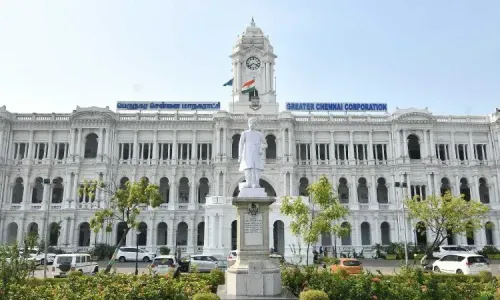
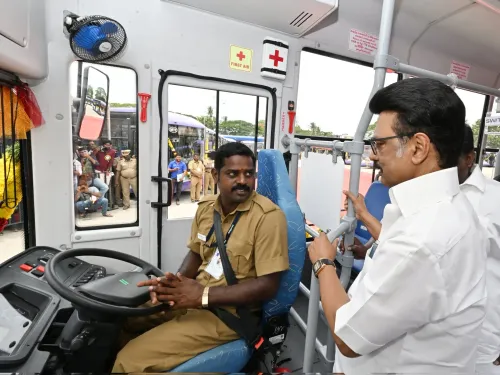
Tamil Nadu Chief Minister C. Joseph Vijay is set to inaugurate the second phase of Chennai's electric bus expansion on Tuesday, 26 August, flagging off services from the Tamil Nadu Secretariat. The launch marks a significant milestone in the state's push for cleaner urban mobility, with 130 air-conditioned electric buses beginning operations initially from the Alandur depot.
What the Second Phase Covers
Under phase two, the Metropolitan Transport Corporation (MTC) plans to deploy 750 new low-floor, air-conditioned electric buses across seven depots — Alandur, Central Depot-II, Perambur, Padianallur, Avadi, K.K. Nagar, and Iyyappanthangal. The Chief Minister will also flag off five electric buses from the Secretariat premises as part of the inauguration ceremony.
Buses will be introduced in batches as charging infrastructure and maintenance facilities are commissioned at each of the seven depots. The government has indicated that all 750 buses will become operational progressively once the required facilities are in place.
Accessibility and Passenger Benefits
The new fleet features a low-floor design, specifically intended to ease boarding and alighting for senior citizens, persons with disabilities, and passengers with limited mobility. The air-conditioned interiors are expected to deliver a quieter, more comfortable commute on heavily trafficked city routes.
The expanded fleet is also anticipated to improve service frequency, reducing waiting times for daily commuters across the Chennai metropolitan region.
Environmental Impact and Emissions Goals
Electric buses produce zero tailpipe emissions, directly addressing Chennai's growing air pollution challenge. The initiative forms part of the Tamil Nadu government's broader strategy to reduce vehicular emissions and cut the city's dependence on diesel-powered public transport.
Notably, this comes amid increasing pressure on Indian metros to meet urban air quality standards, with public transport electrification identified as a key lever by both central and state governments.
Phase 1 Recap and Combined Fleet Size
The first phase of the MTC electric bus programme saw 625 low-floor electric buses deployed from five depots — Vyasarpadi, Perumbakkam, Poonamallee, Central Depot, and Tondiarpet-I — at an estimated cost of ₹697 crore. Once all 750 buses under phase two are fully operational, Chennai's combined electric bus fleet will stand at 1,375 vehicles, making it one of the largest electric public transport fleets in South India.
With charging infrastructure being established at all seven new depots, the government expects the expanded fleet to significantly reduce fuel consumption and operational emissions across the city's transport network.
Point of View
But the real test is pace of infrastructure commissioning. Phase 1's 625-bus deployment took significant time to stabilise across five depots — scaling that to seven depots and 750 buses demands tighter project management. The low-floor, zero-emission fleet is the right direction, but commuters on congested corridors will judge the programme by frequency and reliability, not fleet size. Tamil Nadu's ₹697 crore phase 1 investment also raises the question of what phase 2 will cost — a figure the government has yet to publicly disclose.
NationPress
9 Oct 2026
Frequently Asked Questions
What is Chennai's phase 2 electric bus programme?
It is the second expansion of the Metropolitan Transport Corporation's electric bus fleet, under which 750 new low-floor, air-conditioned electric buses will be deployed across seven depots in Chennai. The programme was inaugurated by Tamil Nadu Chief Minister C. Joseph Vijay on 26 August 2025.
How many electric buses will start operations first under phase 2?
An initial batch of 130 air-conditioned electric buses will begin operations from the Alandur depot. The remaining buses will be introduced in batches as charging and maintenance infrastructure is readied at the other six depots.
Which depots are included in phase 2 of Chennai's electric bus rollout?
The seven depots selected for phase 2 are Alandur, Central Depot-II, Perambur, Padianallur, Avadi, K.K. Nagar, and Iyyappanthangal.
What was the scale of Chennai's phase 1 electric bus programme?
Phase 1 saw 625 low-floor electric buses deployed from five depots — Vyasarpadi, Perumbakkam, Poonamallee, Central Depot, and Tondiarpet-I — at an estimated cost of ₹697 crore.
How many total electric buses will Chennai have once phase 2 is complete?
Once all 750 buses under phase 2 are operational, Chennai's combined electric bus fleet across both phases will total 1,375 vehicles, making it one of the largest electric public transport fleets in South India.