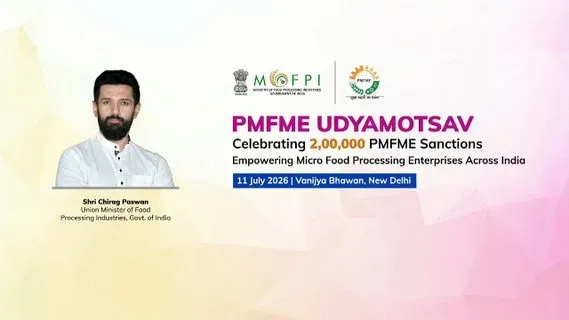
Chirag Paswan Marks 2 Lakh PMFME Sanctions at Udyamotsav
Synopsis
Union Food Processing Minister Chirag Paswan marked 2,00,000 sanctions under the PMFME scheme at a live Udyamotsav celebration on July 11, 2026. The Rs 10,000-crore scheme, launched in 2020 under Atmanirbhar Bharat, supports micro food processing enterprises with credit-linked capital subsidies.
Key Takeaways
Union Food Processing Minister Chirag Paswan announced that the PMFME scheme has crossed 2,00,000 (2 lakh) sanctions .
The milestone was marked through a live PMFME Udyamotsav event streamed on July 11, 2026 .
The PMFME scheme was launched in June 2020 as part of the Atmanirbhar Bharat package with an outlay of Rs 10,000 crore over five years.
The scheme provides credit-linked capital subsidies to micro food processing units in the unorganised sector.
The event was hosted by the Ministry of Food Processing Industries (MOFPI) , which administers the scheme.
Next focus areas include actual disbursement data against the sanctions and a possible scheme extension in the upcoming Union Budget .
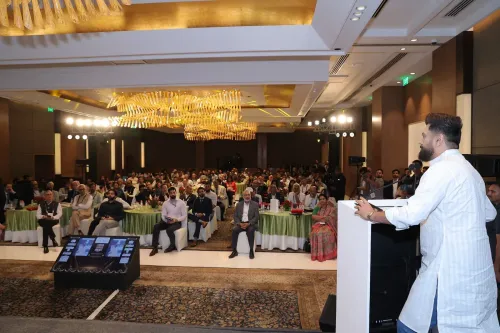
Union Food Processing Minister Chirag Paswan on Saturday, July 11, 2026, marked a landmark milestone under the Pradhan Mantri Formalisation of Micro Food Processing Enterprises (PMFME) scheme, announcing that sanctions under the programme have reached 2,00,000. The minister shared a live-stream of the PMFME Udyamotsav celebration, hosted by the Ministry of Food Processing Industries (MOFPI), to mark the occasion.
Context
The PMFME Udyamotsav — udyam meaning enterprise — was convened to celebrate the scheme crossing the milestone of 2 lakh (2,00,000) sanctions. Paswan shared the event's live YouTube stream on X (formerly Twitter), tagging the official @MOFPI_GOI handle, signalling a formal ministry-level observance of the achievement. The event underscores the government's effort to publicly mark disbursement progress under centrally administered credit-linked schemes.
Policy Backdrop
The PMFME scheme was launched in June 2020 as part of the Atmanirbhar Bharat package, with a total outlay of Rs 10,000 crore spread over five years. Its core objective is to provide credit-linked capital subsidy and technical support to upgrade micro food processing units operating in the unorganised sector. The scheme targets individual micro enterprises, self-help groups, farmer-producer organisations, and cooperatives engaged in food processing activities across India.
The programme sits within a broader post-2019 policy push by the central government to formalise unorganised micro, small, and medium enterprises, reduce post-harvest losses, and increase value addition in the food supply chain. It complements production-linked incentive schemes operating across sectors, with MOFPI serving as the nodal ministry for food processing.
Stakeholders and Impact
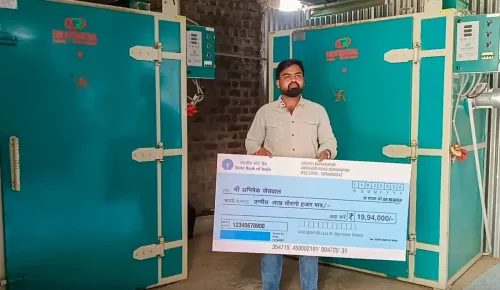
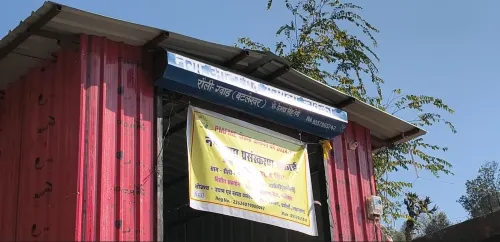
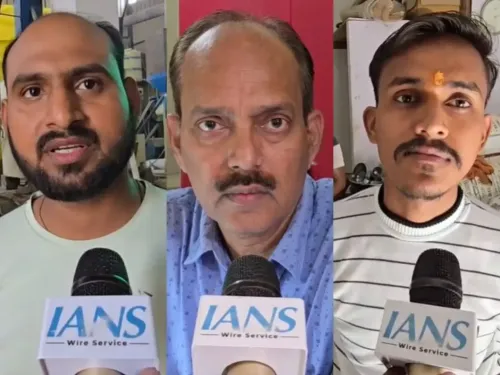
The primary beneficiaries of the PMFME scheme are rural and semi-urban micro food processors — small-scale operators producing pickles, papad, spices, dairy products, and other processed foods who previously lacked access to formal credit. Reaching 2 lakh sanctions means a significant number of such enterprises have received government-backed financial commitments to upgrade their operations, potentially enabling better equipment, hygiene standards, and market access.
For Chirag Paswan and MOFPI, the milestone also carries political weight: scheme disbursement figures are a key metric by which line ministries demonstrate delivery on budget allocations. The celebration format — a public utsav (festival) — reflects the government's practice of converting scheme milestones into visible outreach events targeting beneficiary communities.
What's Next
Attention will now shift to total disbursements against the 2 lakh sanctions, as sanctions and actual fund releases are distinct stages in the scheme lifecycle. Analysts and parliamentary committees tracking MOFPI's performance will watch for data on how many of the sanctioned units have received and deployed their subsidy tranches. With the scheme's original five-year window drawing to a close, a possible extension or enhanced outlay in the next Union Budget is a live policy question that the milestone celebration may be intended to build momentum for.
Point of View
Presiding over a 2-lakh-sanction milestone strengthens MOFPI's case for an enhanced outlay or a scheme extension, both of which require Finance Ministry backing. The event also fits a broader pattern in which the current government uses beneficiary-facing celebrations to build political visibility for welfare and enterprise schemes at the grassroots. Whether the sanction count translates into proportionate actual disbursements and enterprise upgrades will be the harder metric to defend in parliamentary scrutiny.
NationPress
11 Jul 2026
Frequently Asked Questions
What is the PMFME scheme?
The Pradhan Mantri Formalisation of Micro Food Processing Enterprises (PMFME) scheme is a central government programme launched in June 2020 under the Atmanirbhar Bharat package. It provides credit-linked capital subsidies and technical support to micro food processing units in the unorganised sector, with a total outlay of Rs 10,000 crore over five years.
What is PMFME Udyamotsav?
PMFME Udyamotsav is a celebration event organised by the Ministry of Food Processing Industries (MOFPI) to mark significant milestones under the PMFME scheme. The July 11, 2026 edition was held to celebrate the scheme reaching 2,00,000 sanctions .
How many sanctions has the PMFME scheme crossed?
As announced by Union Minister Chirag Paswan on July 11, 2026 , the PMFME scheme has crossed 2,00,000 (2 lakh) sanctions , a milestone the ministry marked with a live-streamed Udyamotsav event.
Who administers the PMFME scheme?
The PMFME scheme is administered by the Ministry of Food Processing Industries (MOFPI) , Government of India, currently headed by Union Minister Chirag Paswan .
Who benefits from the PMFME scheme?
The primary beneficiaries are micro food processing enterprises in the unorganised sector, including individual small-scale operators, self-help groups, farmer-producer organisations, and cooperatives involved in processing food products such as spices, dairy, pickles, and cereals.