Chirag Paswan marks Emergency anniversary, salutes democracy fighters
Synopsis
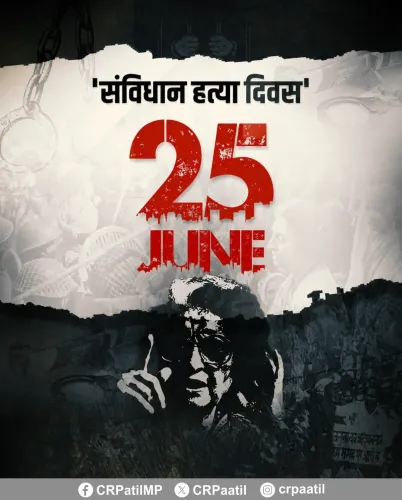
Union Food Processing Minister Chirag Paswan marked the 51st anniversary of the 1975 Emergency on 25 June 2026, honouring democracy fighters who resisted the suspension of fundamental rights and calling the date a black day in Indian democratic history.
Key Takeaways
Union Food Processing Minister Chirag Paswan posted a tribute on 25 June 2026 marking the 51st anniversary of the Emergency.
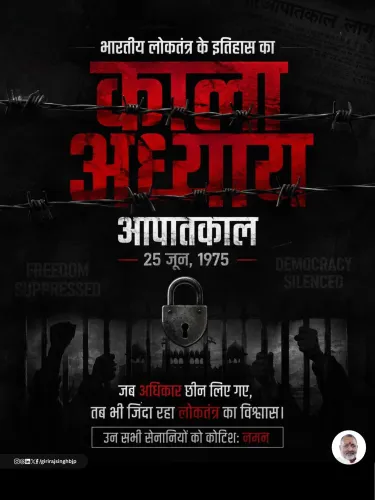
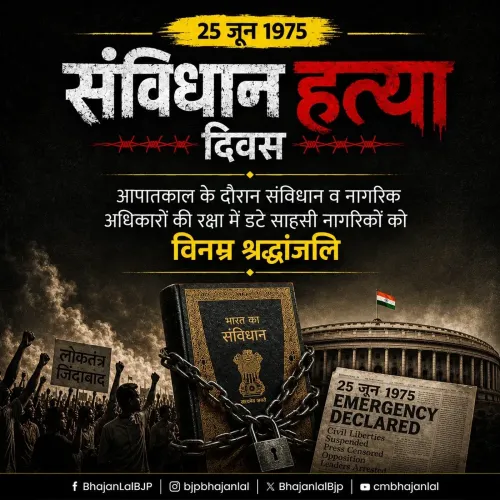
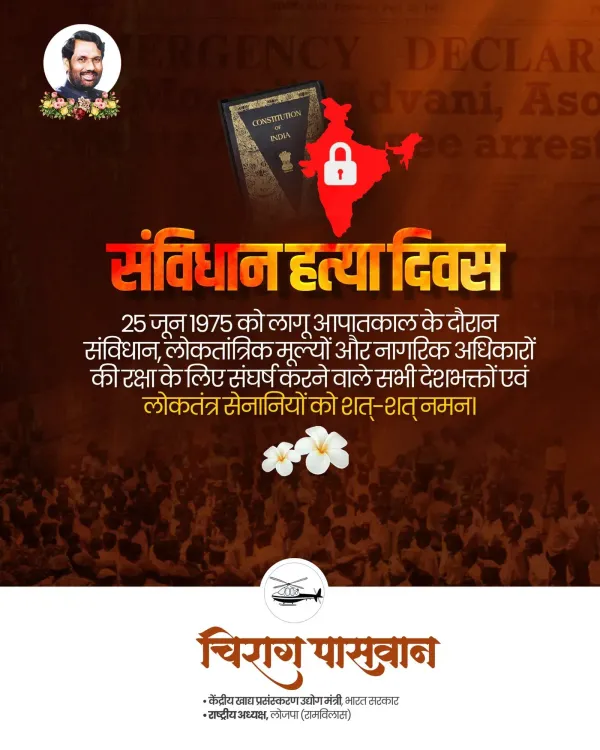
He described 25 June 1975 as a 'black day' when the Constitution, freedom of expression, and citizens' rights were attempted to be crushed.
The Emergency lasted 21 months (June 1975 – March 1977) under then Prime Minister Indira Gandhi via Article 352 .
Paswan offered tribute to all loktantra senaniyon (democracy fighters) for their courage and sacrifice during the period.
The 44th Constitutional Amendment (1978) was enacted after the Emergency to restore judicial review and limit future proclamations.
The anniversary is observed annually by leaders across the political spectrum as a reminder of constitutional safeguards.
Union Food Processing Minister Chirag Paswan on Thursday, 25 June 2026, marked the 51st anniversary of the Emergency imposed in 1975, paying tribute to all those who resisted the suspension of civil liberties and fundamental rights during one of independent India's darkest constitutional episodes.
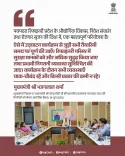
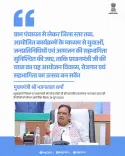
Posting on X in Hindi, Paswan described 25 June 1975 as 'bhartiya loktantra ke itihas ka woh kaala din' ('that black day in the history of Indian democracy'), when, in his words, 'the arrogance of power attempted to crush the Constitution, freedom of expression, and the rights of citizens.' He offered his 'countless salutations' (koti-koti naman) to the courage, sacrifice, and commitment to democratic values shown by all loktantra senaniyon — democracy fighters — who struggled against the Emergency.
Context
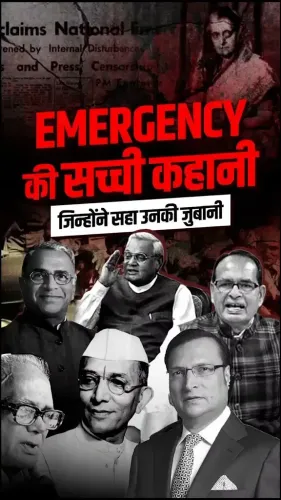
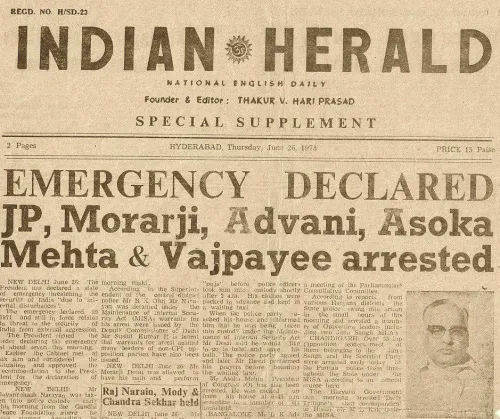
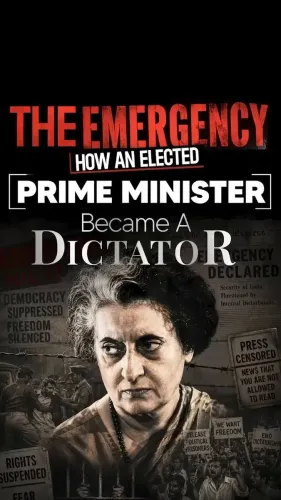
The Emergency was proclaimed on 25 June 1975 by then Prime Minister Indira Gandhi under Article 352 of the Constitution, citing internal disturbance. It lasted 21 months, ending on 21 March 1977. During this period, fundamental rights were suspended, the press was subjected to censorship, and thousands of opposition leaders and activists were detained without trial.
Among the most prominent voices of resistance was Jayaprakash Narayan, whose nationwide movement against the government galvanised public opposition and was ultimately jailed during the period. The Emergency remains the only nationwide suspension of democratic norms in independent India's history.
Policy Backdrop
In the aftermath of the Emergency's revocation, Parliament enacted the 44th Constitutional Amendment in 1978, which restored judicial review and significantly narrowed the grounds on which a future Emergency could be proclaimed — a direct legislative response to the excesses of 1975–77.
Every year on 25 June, political leaders across the spectrum mark the anniversary as a reminder of the fragility of democratic institutions and the importance of constitutional safeguards. For the ruling National Democratic Alliance (NDA), of which Paswan's Lok Janshakti Party (Ram Vilas) is a constituent, the date carries particular political resonance as a contrast between past authoritarian overreach and present constitutional commitments.
Stakeholders and Impact
Paswan's tribute is directed at the broad community of loktantra senaniyon — individuals who were imprisoned, persecuted, or otherwise resisted the Emergency regime. Many of these individuals and their families have been formally recognised by successive governments through pensions and certificates of honour.
Democracy advocates, civil liberties organisations, and opposition parties also observe the anniversary, often using it as an occasion to reflect on press freedom, judicial independence, and the health of constitutional institutions in contemporary India.
What's Next
Statements from other central ministers and political leaders are expected through the day, as 25 June invariably draws cross-party commentary on constitutional values. References to the Emergency's lessons are also periodically raised during parliamentary sessions, particularly during debates on civil liberties and the powers of the executive. As India's democratic institutions continue to evolve, the annual remembrance of 1975 serves as a recurring touchstone in the country's ongoing conversation about the limits of state power.
Point of View
Which has historically used the memory of 1975–77 to underscore a contrast between its own constitutional commitments and what it characterises as the Congress-era authoritarian overreach. As a second-generation leader whose father, Ram Vilas Paswan, was himself jailed during the Emergency, Chirag Paswan's homage carries a degree of personal lineage beyond routine political messaging. The annual ritual of Emergency remembrance has become a stable fixture in the NDA's political calendar, reinforcing a narrative of democratic restoration that the alliance traces to the 1977 election. Whether such tributes translate into fresh policy action — such as expanded recognition for surviving democracy fighters — remains the more substantive question to watch.
NationPress
25 Jun 2026
Frequently Asked Questions
Why is 25 June remembered in India?
25 June marks the anniversary of the Emergency proclaimed in 1975 by then Prime Minister Indira Gandhi under Article 352 of the Constitution, suspending fundamental rights and press freedom for 21 months .
What did Chirag Paswan say about the 1975 Emergency?
Chirag Paswan called 25 June 1975 a 'black day in the history of Indian democracy' and paid tribute to all democracy fighters who resisted the suspension of civil liberties and constitutional rights.
Who are loktantra senaniyon?
Loktantra senaniyon (democracy fighters) refers to individuals — politicians, activists, journalists, and ordinary citizens — who opposed the Emergency (1975–77) , many of whom were jailed or persecuted for their resistance.
What was the 44th Constitutional Amendment?
The 44th Constitutional Amendment (1978) was enacted after the Emergency ended to restore judicial review and narrow the grounds for future Emergency proclamations, serving as a safeguard against similar overreach.
What is Chirag Paswan's political party?
Chirag Paswan is the national president of the Lok Janshakti Party (Ram Vilas) , a constituent of the National Democratic Alliance (NDA) , and currently serves as Union Minister of Food Processing Industries.