CM Bhajanlal flags Pachpadra Refinery as key to Rajasthan growth
Synopsis
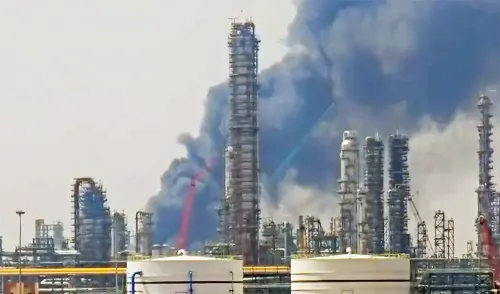
The Rajasthan CMO, citing CM Bhajan Lal Sharma, has reaffirmed the Pachpadra Refinery in Barmer as a critical driver of industrial development, investment, and employment in the state. The HPCL-Rajasthan joint venture project aims to process local crude and anchor a petrochemical cluster in western Rajasthan.
Key Takeaways
The Chief Minister's Office of Rajasthan described the Pachpadra Refinery as a key project for industrial development, investment promotion, and employment generation on June 25, 2026 .
The refinery is located in Barmer district , western Rajasthan, and is developed by HPCL Rajasthan Refinery Ltd (HRRL) , a joint venture between HPCL and the Government of Rajasthan .
The project is designed to process crude from the Barmer basin , enabling downstream value addition rather than raw crude export.
Chief Minister Bhajan Lal Sharma (BJP) has positioned industrial promotion and investment attraction as central to Rajasthan's economic agenda.
Key pending milestones include land acquisition, environmental clearances, and financial closure for the project.
Local youth in Barmer , oil sector investors, and petrochemical manufacturers are the primary stakeholder groups expected to benefit.
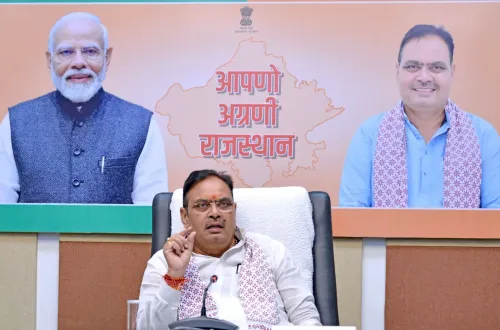
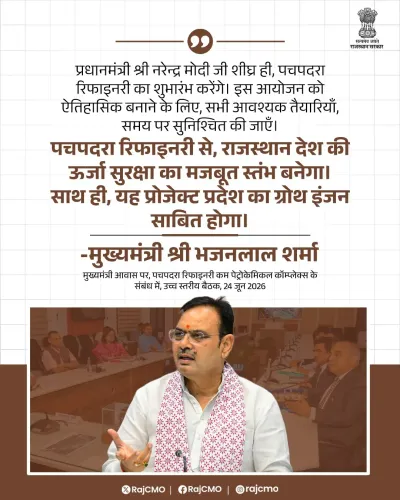
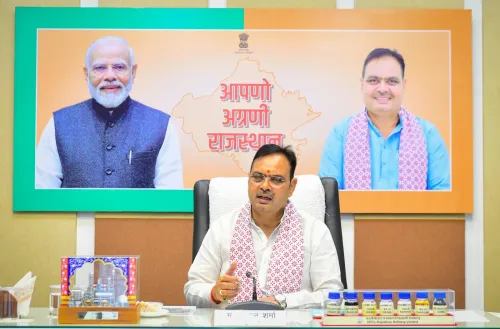
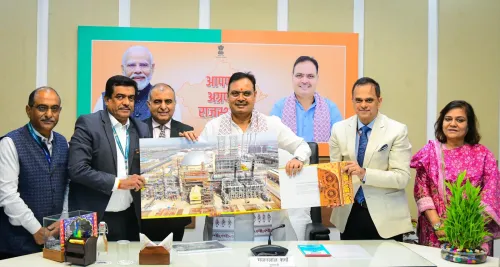
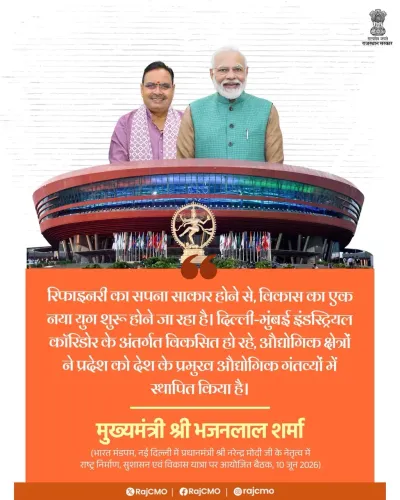
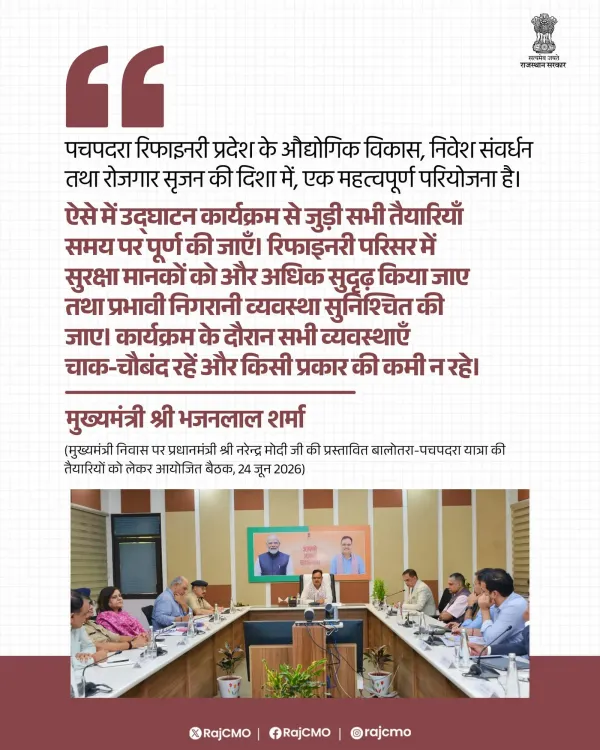
The Chief Minister's Office of Rajasthan on Thursday, June 25, 2026, highlighted the Pachpadra Refinery in Barmer district as a pivotal project driving industrial development, investment promotion, and employment generation across the state, citing Chief Minister Bhajan Lal Sharma in the post.
The post, shared from the official CMO handle, stated: 'Pachpadra refinery pradesh ke audyogik vikas, nivesh samvardhan tatha rojgar srijan ki disha mein, ek mahatvapurna pariyojana hai' — meaning 'The Pachpadra Refinery is an important project in the direction of the state's industrial development, investment promotion, and employment generation.'
Context
The Pachpadra Refinery, located in Barmer in western Rajasthan, is designed to process crude oil extracted from the Barmer basin — one of the most significant onshore hydrocarbon-producing regions in India. The project is being developed by HPCL Rajasthan Refinery Ltd (HRRL), a joint venture between Hindustan Petroleum Corporation Limited (HPCL) and the Government of Rajasthan. Its origins trace to memoranda of understanding signed in the early 2010s, when the state government sought to move beyond raw crude exports toward downstream value addition.
Policy Backdrop
Successive Rajasthan governments have pursued a consistent policy of anchoring industrial clusters in the state's western districts — historically reliant on agriculture and mining — through large downstream hydrocarbon projects. The Pachpadra Refinery fits squarely within this strategic framework, intended to serve as the nucleus of a broader petrochemical corridor in the region. Chief Minister Bhajan Lal Sharma, who leads the BJP government in Rajasthan, has made industrial promotion and investment attraction central planks of the state's economic agenda.
Stakeholders and Impact
The project's primary beneficiaries are expected to be local youth in Barmer and surrounding districts seeking employment in the oil and petrochemical sectors, along with investors in downstream industries that would feed off refinery output. Oil sector companies and petrochemical manufacturers have been identified as key stakeholders who stand to gain from the refinery's operationalisation. For Barmer, a district that has long produced crude oil but seen limited industrial activity, the refinery represents a structural economic shift.
What's Next
Key milestones to watch include progress on land acquisition, environmental clearances, and financial closure for the project. The state government is also expected to announce associated downstream petrochemical units that would form part of the broader industrial cluster around the refinery. The CMO's renewed public emphasis on the project signals that it remains a flagship priority for the Sharma administration as Rajasthan positions itself as a destination for industrial investment.
If realised at scale, the Pachpadra Refinery could redefine Barmer's economic identity — transforming a resource-extraction economy into an integrated industrial hub and setting a template for hydrocarbon-linked development in India's western states.
Point of View
A district where economic transformation remains an aspirational promise. By tagging CM Sharma directly, the CMO is also reinforcing personal ownership of the project's progress. The refinery's long gestation — rooted in MoUs from the early 2010s — means that political messaging around it must now be matched by demonstrable on-ground progress to retain credibility.
NationPress
25 Jun 2026
Frequently Asked Questions
What is the Pachpadra Refinery in Rajasthan?
The Pachpadra Refinery is a grassroots oil refinery project in Barmer district, Rajasthan, developed by HPCL Rajasthan Refinery Ltd (HRRL) — a joint venture between Hindustan Petroleum Corporation Limited and the Government of Rajasthan — to process locally extracted crude from the Barmer basin.
Who is developing the Pachpadra Refinery?
The refinery is being developed by HPCL Rajasthan Refinery Ltd (HRRL), a joint venture between Hindustan Petroleum Corporation Limited (HPCL) and the Government of Rajasthan.
What is the significance of the Pachpadra Refinery for Barmer?
The refinery is expected to transform Barmer from a raw crude-extraction economy into an integrated industrial hub, generating employment for local youth and attracting investment in downstream petrochemical industries.
What did Rajasthan CM Bhajan Lal Sharma say about the Pachpadra Refinery?
The Chief Minister's Office cited CM Bhajan Lal Sharma in stating that the Pachpadra Refinery is 'an important project in the direction of the state's industrial development, investment promotion, and employment generation.'
What are the next steps for the Pachpadra Refinery project?
Key upcoming milestones include completion of land acquisition, obtaining environmental clearances, achieving financial closure, and potential announcements of associated downstream petrochemical units by the Rajasthan government.