SCBA, SCAORA urge CJI Surya Kant to act on lawyer detentions at Delhi protest
Synopsis
Senior and women lawyers were detained during a New Delhi protest against Chief Election Commissioner Gyanesh Kumar — prompting both the SCBA and SCAORA to invoke Article 19 and appeal directly to CJI Surya Kant. Within hours, the CJI intervened and all detained advocates were released, setting up a wider accountability question over police conduct near Supreme Court premises.
Key Takeaways
SCBA and SCAORA both wrote separately to CJI Surya Kant on 10 October seeking urgent intervention over lawyer detentions.
Advocates — including senior lawyers, young lawyers, and women advocates — were reportedly detained near Supreme Court premises during a protest against CEC Gyanesh Kumar .
SCAORA alleged that police officers involved were not displaying identification badges and invoked Article 19 of the Constitution.
CJI Kant intervened, and SCBA President Pradeep Kumar Rai confirmed all detained lawyers were subsequently released.
DCP Sachin Sharma assured Rai that any lawyer still in custody would be released immediately upon details being provided.
Both Bar bodies have called for accountability for any unlawful police action and urged authorities to prevent a recurrence.
The Supreme Court Bar Association (SCBA) and the Supreme Court Advocates-on-Record Association (SCAORA) on Saturday, 10 October wrote separately to Chief Justice of India (CJI) Surya Kant, seeking his urgent intervention after advocates — including senior lawyers, young lawyers, and women advocates — were reportedly detained during a protest in New Delhi against Chief Election Commissioner (CEC) Gyanesh Kumar. Both Bar bodies raised concerns over the alleged use of excessive force against protesters near the Supreme Court premises.
What the Bar Bodies Alleged
In its formal resolution, the SCBA condemned what it described as the use of excessive force against advocates who were peacefully participating in the protest. 'The Association has been informed that many advocates have been detained,' the resolution stated. The SCBA called on CJI Kant to take up the matter urgently with the concerned authorities, ensure the whereabouts and safety of every detained advocate were ascertained, and secure their immediate release where no lawful grounds for detention existed.
The resolution, signed by SCBA Honorary Secretary Pragya Baghel, also sought an examination of the circumstances surrounding the detentions and the reported use of force, with appropriate action in accordance with law.
SCAORA Invokes Article 19, Flags Badge-Less Officers
SCAORA's urgent letter petition raised an additional concern: police officers involved in the detentions were allegedly not displaying their identification badges. 'SCAORA is deeply concerned about reports of the detention of members of the Bar, including senior and young advocates and women advocates from outside Supreme Court premises by Police officers not displaying their badges,' the letter stated.
Invoking Article 19 of the Constitution, the association asserted that the right to express grievances and assemble peacefully is a fundamental right, subject only to reasonable restrictions imposed by law. It urged the CJI to direct authorities to ensure that no excessive or disproportionate force was used, and that all police action remained strictly within legal bounds.
SCAORA also sought the immediate disclosure of the whereabouts of every detained lawyer, protection of their safety and well-being, and access to legal assistance and family members.
CJI Intervenes, Lawyers Released
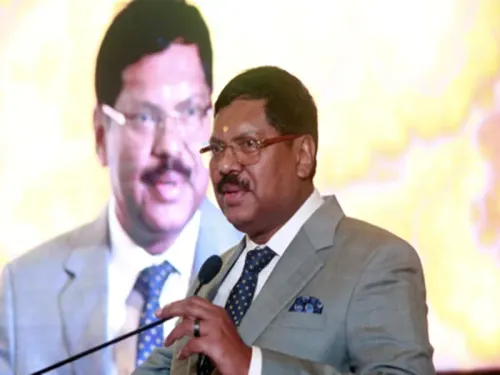
Following the two representations, SCBA President Pradeep Kumar Rai confirmed that the detained lawyers had been released after CJI Kant's intervention. 'We are grateful to the Hon'ble Chief Justice of India for his timely intervention and for directing the immediate release of the lawyers. His intervention is deeply appreciated,' Rai said in a post on social media platform X.
Rai also said he had spoken to Deputy Commissioner of Police Sachin Sharma, who assured him that, according to information available to him, no lawyer had been detained — and that if any lawyer remained in custody, they would be released immediately upon the details being provided.
'We are informed that all the lawyers have now been released. However, if any lawyer is still in custody or detention, their name and details may kindly be shared with us immediately so that the matter can be taken up,' Rai said.
Context and Broader Implications
The protest centred on Chief Election Commissioner Gyanesh Kumar, whose tenure has drawn attention from Opposition parties and civil society groups on questions relating to electoral oversight. The detention of advocates — officers of the court — during a demonstration near the Supreme Court premises has lent the episode unusual constitutional gravity, coming at the intersection of the right to protest, the independence of the legal profession, and police conduct.
Notably, both Bar associations were at pains to frame the episode not as a partisan political statement but as a professional and constitutional matter, emphasising that 'lawyers must be able to discharge their professional duties without fear or intimidation.'
What Happens Next
With the immediate crisis resolved, attention will turn to whether the CJI takes any formal cognisance of the circumstances surrounding the detentions and the reported conduct of the police officers involved. SCAORA has explicitly sought accountability for any action found to be unlawful. Both associations have urged authorities to ensure that no such incident recurs, and that the dignity, safety, and professional independence of the Bar are respected going forward.
Point of View
But the real test will be whether any formal inquiry follows, or whether the episode is quietly absorbed once the immediate crisis passes.
NationPress
10 Oct 2026
Frequently Asked Questions
Why were lawyers detained in New Delhi on 10 October?
Advocates were reportedly detained during a protest near the Supreme Court premises in New Delhi against Chief Election Commissioner Gyanesh Kumar. Both the SCBA and SCAORA described the detentions as involving senior, young, and women lawyers, and alleged excessive force was used by police.
What action did CJI Surya Kant take?
CJI Surya Kant intervened after receiving urgent representations from the SCBA and SCAORA. Following his intervention, SCBA President Pradeep Kumar Rai confirmed that all detained lawyers were released.
What did SCAORA allege about the police officers involved?
SCAORA alleged that police officers who carried out the detentions outside Supreme Court premises were not displaying their identification badges, raising concerns about accountability and lawful conduct. The association invoked Article 19 of the Constitution to assert the right to peaceful protest.
Who signed the SCBA resolution and what did it demand?
The resolution was signed by SCBA Honorary Secretary Pragya Baghel. It demanded that CJI Kant ascertain the whereabouts and safety of detained advocates, ensure access to legal assistance, and secure the immediate release of those held without lawful grounds.
What happens next following the release of the detained lawyers?
With all lawyers reportedly released, both Bar associations have called for a formal examination of the circumstances surrounding the detentions and accountability for any unlawful police action. It remains to be seen whether the CJI takes formal cognisance of the police conduct alleged in the representations.