SC to hear plea on CEC Gyanesh Kumar's solo exercise of ECI powers on Oct 5
Synopsis
A Supreme Court bench will on 5 October examine a petition alleging that CEC Gyanesh Kumar has been exercising ECI powers unilaterally — powers the Constitution vests in the full Commission. With at least 14 written objections reportedly lodged by two Election Commissioners over nearly a year, the case could redefine how India's constitutional poll authority makes its most consequential decisions.
Key Takeaways
The Supreme Court will hear on 5 October 2026 a petition questioning whether CEC Gyanesh Kumar can individually exercise powers constitutionally vested in the multi-member ECI .
The Bench comprises CJI Surya Kant , Justice Joymalya Bagchi , and Justice V.
The petition invokes Article 324 of the Constitution and Section 18 of the CEC Act, 2023, both of which mandate collective decision-making.
Election Commissioners Sukhbir Singh Sandhu and Vivek Joshi allegedly recorded at least 14 objections between October 2025 and August 2026 .
Disputed matters reportedly include changes to Form 6 , access to the electoral roll database, foreign travel, and appeals before tribunals in West Bengal .
The ECI has denied any institutional rupture, calling the internal objections part of normal deliberative processes.
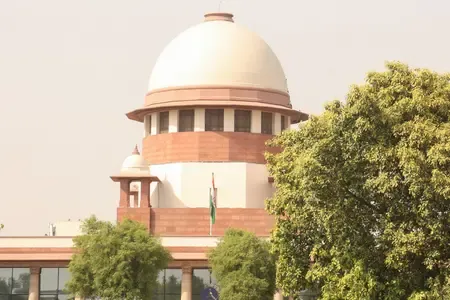
The Supreme Court is scheduled to hear on 5 October 2026 a petition questioning whether Chief Election Commissioner (CEC) Gyanesh Kumar can individually exercise or represent powers that the Constitution vests in the multi-member Election Commission of India (ECI). The matter will come before a Bench comprising Chief Justice of India (CJI) Surya Kant and Justices Joymalya Bagchi and V. Mohana, according to the apex court's cause list.
How the Case Reached the Supreme Court
Senior advocate Vikas Singh mentioned the matter before the CJI on 29 September 2026, seeking an early listing. The CJI directed that it be listed the following week, leading to its placement on the 5 October cause list. The petition seeks enforcement of the ECI's collective decision-making framework and a writ in the nature of quo warranto concerning the authority under which the CEC has reportedly acted in the name of the full poll panel.
The Constitutional and Statutory Basis of the Petition
The plea anchors its arguments in Article 324 of the Constitution, which vests the superintendence, direction, and control of elections in the 'Commission' — not in a single individual. It further invokes Section 18 of the Chief Election Commissioner and Other Election Commissioners (Appointment, Conditions of Service and Term of Office) Act, 2023, which mandates collective decision-making, with matters lacking unanimity to be decided by majority vote.
Critically, the petition relies on contemporaneous written communications and file notings attributed to Election Commissioners Sukhbir Singh Sandhu and Vivek Joshi, who allegedly recorded at least 14 objections between October 2025 and August 2026 over decisions and steps reportedly taken in the name of the ECI without their approval.
What the Objections Cover
According to the petition, the alleged objections span a range of institutional concerns: communications and orders reportedly issued without the poll body's collective approval; the absence of agendas before meetings and minutes after them; foreign travel undertaken without approval; changes to Form 6 of the electoral roll; access to the electoral roll database; and the filing of appeals before tribunals in West Bengal.
The two Election Commissioners have also reportedly raised concerns over the 'gradual centralisation of the electoral roll database' and changes in the work allocation of the ECI's IT establishment — issues that go to the heart of election infrastructure integrity.
ECI's Position
The Election Commission has maintained that the reported differences between its members do not amount to an institutional 'rupture'. The poll panel has argued that internal objections and written notes are established mechanisms within a multi-member constitutional body and form part of normal deliberative and administrative processes. The ECI has also stated that its decisions — including those relating to the Special Intensive Revision (SIR) exercise — were unanimous.
What the Petitioner Has Sought
The petitioner has sought a declaration that powers vested in the ECI under Article 324 cannot be exercised or represented as an act of the Commission except in accordance with the constitutional and statutory framework. Additionally, declaratory and mandatory directions have been sought to ensure compliance with the collective decision-making framework, along with the production and preservation of relevant records concerning the disputed decisions. The case is being closely watched as it could set a significant precedent on the internal governance and constitutional functioning of India's premier electoral authority.
Point of View
But institutional practice has at times allowed the CEC to act as a de facto singular authority. The 14 objections allegedly filed over 10 months are not a routine dissent — they read as a systematic internal audit of constitutional compliance. What the Supreme Court decides here will either reaffirm collective governance at the ECI or clarify how far the office of the CEC can stretch beyond its constitutional text. Either outcome will shape how election-related decisions are made — and challenged — for years to come.
NationPress
2 Oct 2026
Frequently Asked Questions
What is the Supreme Court petition against CEC Gyanesh Kumar about?
The petition challenges the manner in which CEC Gyanesh Kumar has reportedly exercised powers that Article 324 of the Constitution vests in the full Election Commission, not in an individual. It seeks a declaration that ECI powers can only be exercised through the collective decision-making framework mandated by the Constitution and the CEC Act, 2023.
When will the Supreme Court hear this case?
The Supreme Court is scheduled to take up the matter on 5 October 2026, before a Bench of CJI Surya Kant, Justice Joymalya Bagchi, and Justice V. Mohana. The case was mentioned before the CJI on 29 September 2026 by senior advocate Vikas Singh, who secured the listing.
What objections have the two Election Commissioners reportedly raised?
Election Commissioners Sukhbir Singh Sandhu and Vivek Joshi allegedly recorded at least 14 objections between October 2025 and August 2026. These reportedly cover orders issued without collective approval, missing meeting agendas and minutes, unauthorised foreign travel, changes to Form 6, access to the electoral roll database, and appeals filed before tribunals in West Bengal.
What is the legal basis for the petition?
The petition primarily relies on Article 324 of the Constitution, which vests superintendence, direction, and control of elections in the 'Commission' as a body. It also invokes Section 18 of the Chief Election Commissioner and Other Election Commissioners (Appointment, Conditions of Service and Term of Office) Act, 2023, which requires decisions to be taken collectively, with disagreements resolved by majority vote.
What has the Election Commission said in response?
The ECI has maintained that the reported differences between its members do not constitute an institutional rupture. It has said that internal objections and written notes are standard mechanisms within a multi-member constitutional body, and that key decisions — including those on the Special Intensive Revision exercise — were taken unanimously.