Matua refugees jailed under TMC govt to be freed, given land: CM Adhikari
Synopsis
West Bengal CM Suvendu Adhikari used the second International Matua Gosai Conference to make three sweeping promises: release of Matua refugees jailed under the previous TMC government, allocation of land and houses, and CAA citizenship certificates by 31 December. The announcement draws a sharp political contrast with the outgoing TMC administration and puts a firm public deadline on CAA implementation in the state.
Key Takeaways
CM Suvendu Adhikari announced on 1 November 2026 that Matua refugees jailed under the previous TMC government will be released with dignity and given land and houses.
CAA certificates for eligible Matua community members will be issued by 31 December 2026 , after which names will be enrolled in the voters' list.
Refugees held without trial in Bangaon , Barasat (North 24 Parganas), and Ranaghat (Nadia district) are the specific beneficiaries named.
Union Home Minister Amit Shah had reportedly assured on 1 September 2025 that no police action would be taken against those who entered India from Bangladesh before 31 December 2024 .
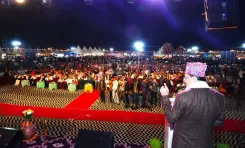
The announcement was made at the second International Matua Gosai Conference at Thakurnagar , North 24 Parganas .
Adhikari also attacked opposition parties over the SIR process and the removal of Chief Election Commissioner Gyanesh Kumar .
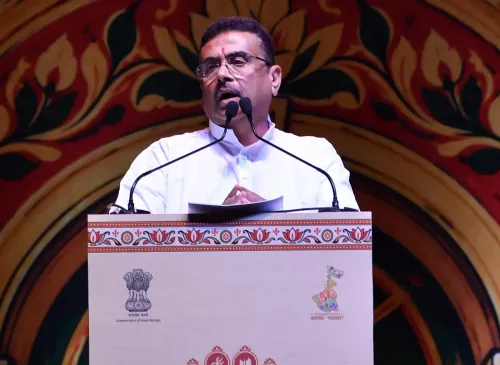
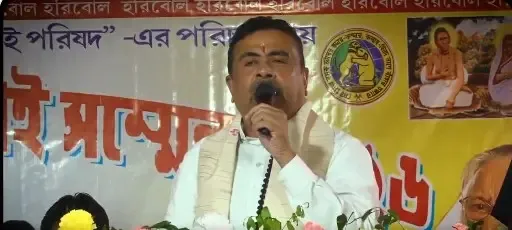
West Bengal Chief Minister Suvendu Adhikari on Sunday, 1 November 2026, announced that Matua refugees from Bangladesh who were jailed during the previous Mamata Banerjee-led All India Trinamool Congress (TMC) government will be released in the coming days and provided with land and housing in the state. The announcement was made at the second International Matua Gosai Conference in Thakurnagar, North 24 Parganas district.
Key Announcements by the Chief Minister
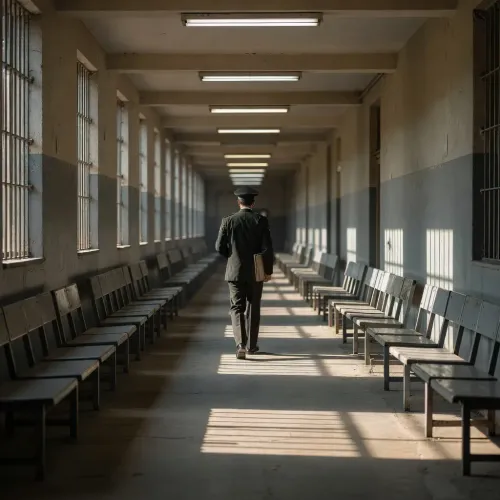
Adhikari promised that Matua refugees still held without trial in correctional homes in Bangaon and Barasat in North 24 Parganas, and Ranaghat in Nadia district, will be released 'with dignity' and allotted land and houses. He further pledged to grant them citizenship under the Citizenship Amendment Act (CAA) before enrolling their names in the voters' list.
The Chief Minister also announced that CAA certificates will be issued to eligible members of the Matua community by 31 December this year, setting a firm public deadline for the process.
Background: Who Are the Matuas
Matuas are a Backward Class Hindu community originally from erstwhile East Pakistan, present-day Bangladesh, who have settled across various parts of West Bengal over the decades since Independence. The community has long sought formal citizenship status and voting rights in India.
Adhikari invoked a personal connection to the issue, recalling that his own mother hailed from Barisal in present-day Bangladesh and was forced to flee as a refugee on religious grounds. 'My mother came here as a refugee from Barisal. She was thrown out of Bangladesh just because she was a Hindu,' he said.
Atrocities in Bangladesh and Arrests in Bengal
The Chief Minister pointed to two successive flashpoints that had aggravated the Matua community's situation. First, following the recent regime change in Bangladesh, many Hindu Matuas who had settled there reportedly faced severe atrocities. Second, he alleged that the previous TMC administration had 'selectively arrested many Hindu refugees, including those from the Matua community' who had crossed into West Bengal to escape violence.
Adhikari cited a commitment made by Union Home Minister Amit Shah on 1 September 2025, in which Shah reportedly assured that no police action would be taken against individuals who had left Bangladesh and entered India before 31 December 2024, to protect their lives.
Political Barbs and Broader Context
In his address, Adhikari also launched a sharp attack on opposition parties, including what he referred to as the 'Cockroach Janta Party (CJP)', over their agitation on the Special Intensive Revision (SIR) process and the removal of Chief Election Commissioner Gyanesh Kumar. 'Those who are trying to destabilise the country and state will not be spared. We will fight against them. The Hindus will not become refugees again in their own land,' he declared.
This comes amid ongoing political tensions in West Bengal over the CAA's implementation, the treatment of Hindu minorities from Bangladesh, and a broader contest between the ruling BJP dispensation and opposition forces in the state. The Matua community, which is concentrated in border districts and commands a significant vote share, has been a politically contested constituency for multiple election cycles.
What Happens Next
The release of Matua refugees and land allocation will require coordination with district administrations in North 24 Parganas and Nadia. The deadline of 31 December 2026 for CAA certificate issuance is now a public commitment that the state government will be held to. Observers will watch whether the promised releases proceed through administrative channels or face legal challenges from other stakeholders.
Point of View
And every promise made from that stage is aimed squarely at consolidating a community that has historically oscillated between TMC and BJP. The CAA implementation deadline of 31 December is a measurable commitment, which is unusual in Indian politics, but the absence of any administrative detail on land acquisition or correctional home audits raises real questions about delivery. If the releases and certificates do not materialise on schedule, the credibility cost will be steep — not just for Adhikari, but for the BJP's broader CAA narrative ahead of the next state election cycle.
NationPress
2 Nov 2026
Frequently Asked Questions
Who are the Matua refugees that CM Adhikari promised to release?
They are members of the Matua community — a Backward Class Hindu group from erstwhile East Pakistan (present-day Bangladesh) — who reportedly entered West Bengal fleeing atrocities and were subsequently jailed by the previous TMC administration. Adhikari specifically named correctional homes in Bangaon, Barasat, and Ranaghat as locations where such undertrial detainees are held.
What is the deadline for issuing CAA certificates to Matua refugees in West Bengal?
Chief Minister Suvendu Adhikari announced on 1 November 2026 that CAA certificates will be issued to eligible Matua community members by 31 December 2026. After citizenship is granted, their names will be enrolled in the voters' list.
What did Home Minister Amit Shah promise regarding Hindu refugees from Bangladesh?
According to CM Adhikari, Union Home Minister Amit Shah assured on 1 September 2025 that no police action would be taken against individuals who had left Bangladesh and entered India before 31 December 2024, to protect their lives.
Why is the Matua community politically significant in West Bengal?
The Matua community is concentrated in border districts of North 24 Parganas and Nadia and commands a substantial vote share, making them a contested constituency for both the BJP and TMC. Multiple political parties have historically courted Matua leaders, particularly around citizenship rights and the CAA.
What other political remarks did CM Adhikari make at the Matua conference?
Adhikari attacked opposition parties, including a group he called the 'Cockroach Janta Party (CJP)', over their agitation related to the Special Intensive Revision (SIR) process and the demand for removal of Chief Election Commissioner Gyanesh Kumar. He also shared a personal account of his mother's displacement from Barisal, Bangladesh, on religious grounds.