PM Modi at Matua Thakur Mandir: Recalls Binapani Devi Blessing, Pushes CAA
Synopsis
PM Modi's visit to Matua Thakur Mandir in Thakurnagar is more than a temple stop — it's a high-stakes electoral signal to West Bengal's most decisive Scheduled Caste voter bloc. By invoking Binapani Devi's blessings, Orakandi, and the CAA in one rally, Modi is weaving religion, refugee identity, and citizenship into a single powerful political narrative.
Key Takeaways
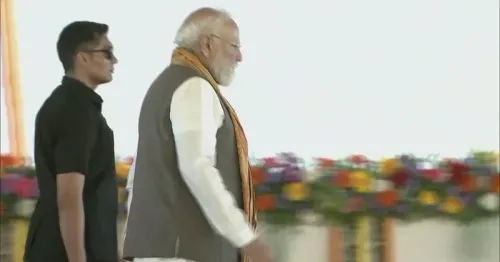
PM Narendra Modi visited Matua Thakur Mandir in Thakurnagar, North 24 Parganas , West Bengal on April 26, 2024 , ahead of his Lok Sabha election rally.
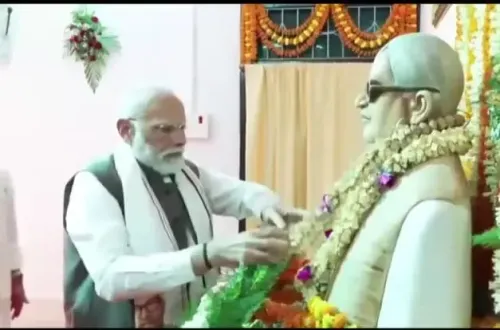
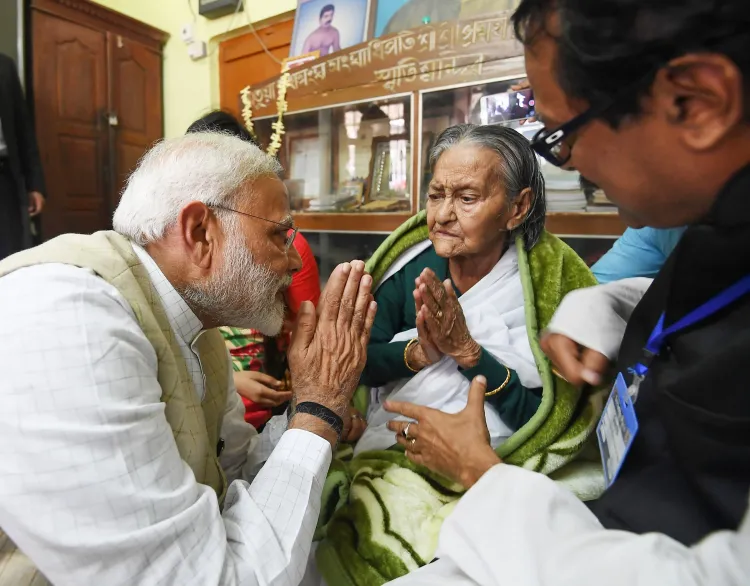
Modi shared a photograph from his February 2019 meeting with Matua matriarch Binapani Devi (Boro Ma) , who passed away in March 2019 .
The PM recalled his visit to Orakandi, Bangladesh — birthplace of Harichand Thakur , founder of the Matua Mahasangha — during his 2021 Bangladesh state visit .
Modi reaffirmed the Citizenship Amendment Act (CAA), 2019 as a guarantee of citizenship, legal papers, and full rights for Matua and Namasudra communities.
The Matua community , a Scheduled Caste Namasudra group, is estimated to influence over 50 assembly seats in West Bengal , making them a pivotal electoral force.
Modi invoked Syama Prasad Mookerjee 's legacy as a champion of East Bengal refugees to draw a historical line from Jana Sangh to BJP's CAA policy .
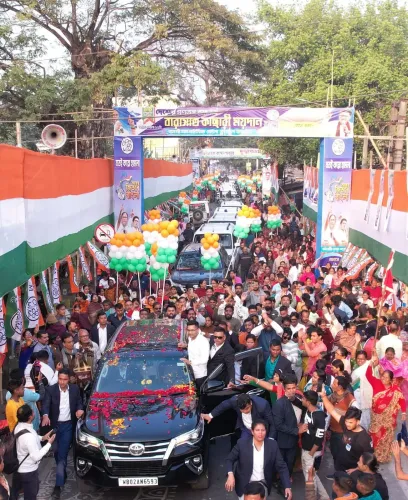
Prime Minister Narendra Modi visited the Matua Thakur Mandir in Thakurnagar, North 24 Parganas district, West Bengal, on Sunday, April 26, ahead of his Lok Sabha election rally in the area. During the visit, he emotionally recalled his earlier meeting with revered Matua community matriarch Binapani Devi and reaffirmed the Citizenship (Amendment) Act, 2019 (CAA) as a historic commitment to the Namasudra and Matua refugee communities.
PM Modi's Emotional Visit to Thakurnagar Temple
Taking to X (formerly Twitter), PM Modi shared a photograph from his 2019 meeting with Binapani Devi, fondly addressed as Boro Ma, expressing deep reverence for the spiritual and community leader. "Today, when I was at the Matua Thakur Mandir, I remembered my previous visit to this Temple a few years ago, when I had also got the blessings of Boro Ma Binapani Thakur. Here is a photograph from that visit," the Prime Minister wrote.
The visit holds significant political and cultural weight. Binapani Devi was the wife of Pramatha Ranjan Thakur, whose great-grandfather, Harichand Thakur, founded the Matua Mahasangha — a socio-religious movement over a century ago that now commands a massive following among Scheduled Caste Namasudra communities across West Bengal and Bangladesh.
Binapani Devi passed away in March 2019, just weeks after PM Modi had sought her blessings ahead of the Lok Sabha elections that year — a meeting that became symbolically significant for the BJP's outreach to the Matua electorate.
Orakandi Visit and Cross-Border Matua Connection
Addressing the election rally in Thakurnagar, PM Modi also revisited his landmark trip to Orakandi in Bangladesh — the birthplace of Harichand Thakur, the founder of the Matua sect — which he undertook during his 2021 Bangladesh state visit, coinciding with the West Bengal Assembly elections.
"Many memories were refreshed today. About 4 to 5 years ago, I had the opportunity to go to Orakandi across the border. I met the Matuas there. I went there for the first time as the Prime Minister of India. I performed a puja in the temple. When I went to seek Boro Ma's blessings, her compassion was overwhelming. I will never forget this," PM Modi said at the rally.
The Orakandi visit was a calculated diplomatic and electoral move — it signalled to the Matua diaspora in West Bengal that the BJP-led central government recognized their ancestral roots and would champion their rights, including citizenship for those who migrated to India during Partition and the 1971 Bangladesh Liberation War.
CAA as BJP's Core Promise to Matua Community
PM Modi used the Thakurnagar rally to strongly reaffirm the Citizenship Amendment Act (CAA), 2019, framing it as a fulfilment of a historical obligation to Hindu, Buddhist, Sikh, Jain, Parsi, and Christian refugees from Pakistan, Bangladesh, and Afghanistan who faced religious persecution.
"From Partition till today, all the refugees are our responsibility. It is India's historical responsibility to think about them. That is why Modi brought the CAA. I will tell the Matuas and Namasudras that you will be given citizenship, permanent address, papers, and all the rights that all citizens of India get. This is Modi's guarantee," the Prime Minister declared.
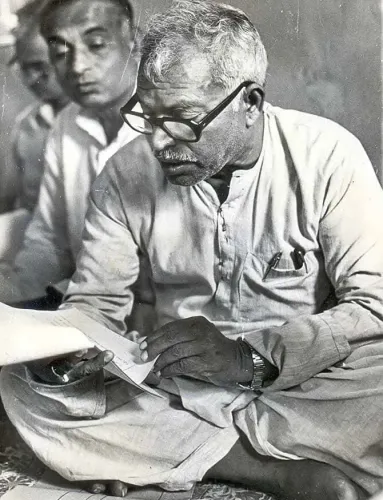
He also invoked Syama Prasad Mookerjee, the founder of Jana Sangh (the ideological precursor to the BJP), who won from Kolkata and was seen as a champion of East Bengal refugees. The reference was aimed at drawing a historical continuum — from Mookerjee's advocacy to Modi's CAA — to consolidate the Matua vote bank.
Who Are the Matuas and Why Do They Matter Electorally?
The Matua community belongs to the Scheduled Caste Namasudra group and represents one of the largest and most politically decisive voter blocs in West Bengal. They migrated to India in two major waves — first during the 1947 Partition and again following the 1971 Bangladesh Liberation War.
Concentrated primarily in North 24 Parganas, South 24 Parganas, and Nadia districts, the Matua community is estimated to influence outcomes in over 50 assembly seats and several Lok Sabha constituencies in West Bengal. Their citizenship status has historically been a grey area, making the CAA a deeply personal issue for millions of families.
The BJP has aggressively courted the Matua vote since 2019, and the community's response has been a key factor in the party's improved performance in West Bengal in both the 2019 Lok Sabha and 2021 Assembly elections.
Political Significance and What Comes Next
The Thakurnagar visit is part of a broader BJP strategy to consolidate Scheduled Caste and refugee community votes ahead of the 2024 Lok Sabha elections. With West Bengal sending 42 MPs to Parliament, it remains one of the most fiercely contested states.
The Trinamool Congress (TMC), which governs the state, has consistently opposed the CAA, calling it discriminatory. This ideological clash over the Matua community's citizenship aspirations is expected to be a defining issue in constituencies like Bangaon and Ranaghat, which have significant Matua populations.
As polling progresses through West Bengal's multiple-phase schedule, the BJP's temple visits, emotional outreach, and CAA promises will be closely watched as a test of whether cultural and identity politics can translate into seats — and whether Modi's guarantee resonates beyond sentiment to deliver votes on the ground.
Point of View
Historical memory, and a concrete policy promise into one seamless electoral narrative. The BJP has spent five years cultivating the Matua community, and the CAA's implementation just weeks before the 2024 polls is no coincidence — it converts a long-standing promise into a deliverable. What the mainstream narrative often misses is the deeper anxiety among Matua families about statelessness — an anxiety the BJP has strategically kept alive while positioning itself as the only solution. The question is whether TMC's counter-narrative on ground-level governance can blunt this emotional momentum.
NationPress
14 Oct 2026
Frequently Asked Questions
Why did PM Modi visit Matua Thakur Mandir in Thakurnagar?
PM Modi visited the Matua Thakur Mandir in Thakurnagar on April 26, 2024, ahead of his Lok Sabha election rally in North 24 Parganas, West Bengal. The visit was aimed at reaffirming the BJP's deep connect with the Matua community, one of the most electorally significant Scheduled Caste groups in Bengal.
Who was Binapani Devi and what was her connection to PM Modi?
Binapani Devi, known as Boro Ma, was the matriarch of the Matua community and wife of Pramatha Ranjan Thakur, whose great-grandfather Harichand Thakur founded the Matua Mahasangha. PM Modi met her in Thakurnagar in February 2019 to seek her blessings ahead of the Lok Sabha elections; she passed away in March 2019.
What is the Matua community and why are they important in West Bengal politics?
The Matua community belongs to the Scheduled Caste Namasudra group and migrated to India during the 1947 Partition and 1971 Bangladesh Liberation War. They are a decisive voter bloc influencing over 50 assembly seats in West Bengal, making them a key target for both the BJP and TMC.
What did PM Modi say about the CAA at the Thakurnagar rally?
PM Modi declared at the Thakurnagar rally that the Citizenship Amendment Act (CAA) was implemented to fulfil India's historical responsibility towards refugees like the Matuas and Namasudras. He promised them citizenship, permanent addresses, legal papers, and full rights as Indian citizens — calling it 'Modi's guarantee'.
What is the significance of PM Modi's visit to Orakandi in Bangladesh?
Orakandi in Bangladesh is the birthplace of Harichand Thakur, the founder of the Matua sect, making it a sacred site for the community. PM Modi visited Orakandi during his 2021 Bangladesh state visit — coinciding with West Bengal Assembly elections — to signal solidarity with the Matua community's ancestral and spiritual roots.