CM Assam Himanta Biswa Sarma: 860+ Days Zero Rhino Poaching

Synopsis
Assam has recorded over 860 consecutive days without rhino poaching and reclaimed 16,937 hectares of forest land. The Chief Minister's Office linked both milestones to a ₹970 crore forest and climate allocation in Assam Budget 2026, underscoring CM Himanta Biswa Sarma's conservation-led governance push.
Key Takeaways
Assam has recorded 860+ consecutive days without a rhino poaching incident as of 13 July 2026.
16,937 hectares of encroached forest land have been reclaimed under the current administration. ₹970 crore has been allocated in Assam Budget 2026 for forest conservation and climate resilience.
The Assam Forest Department has driven anti-poaching and reclamation operations since 2021 under CM Himanta Biswa Sarma .
Assam's Brahmaputra valley context makes climate-resilience spending as critical as biodiversity protection.
Utilisation reports for the ₹970 crore outlay and mid-term forest-cover reviews will be key indicators to watch.
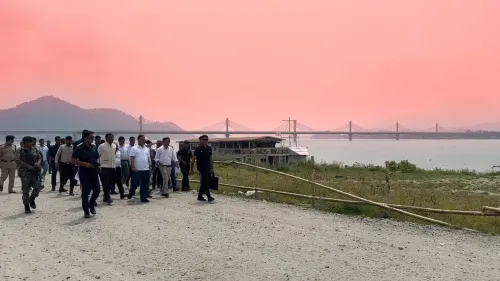
The Chief Minister's Office of Assam announced on Monday, 13 July 2026 that the state has crossed 860 consecutive days without a single rhino poaching incident, while also reclaiming 16,937 hectares of encroached forest land — milestones the office linked directly to the ₹970 crore forest and climate allocation in the Assam Budget 2026.
Context
The post from the Chief Minister's Office credited Chief Minister Dr. Himanta Biswa Sarma with steering both achievements, framing the budget outlay as an acceleration of ongoing conservation and climate-resilience work. The announcement positions Assam's wildlife and forest record as a centrepiece of the current administration's governance narrative heading into the second half of the 2026-27 fiscal year.
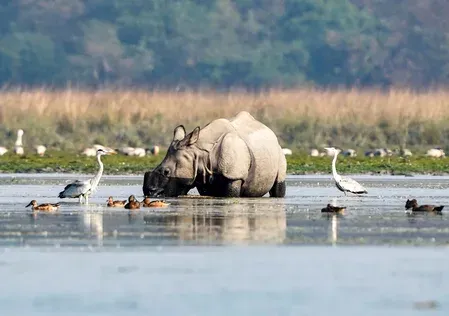
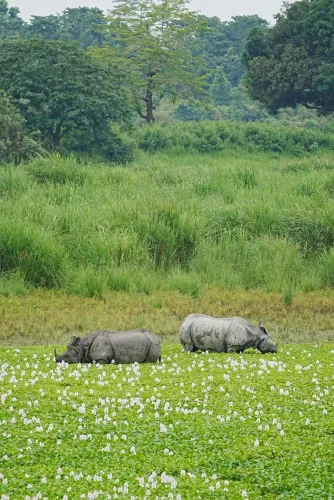
The greater one-horned rhinoceros, found primarily in Kaziranga National Park and other protected reserves across Assam, has long been the state's most iconic conservation symbol. Poaching of the species surged in the mid-2010s, making the current zero-poaching streak a significant reversal.
Policy Backdrop
The Assam Forest Department intensified anti-poaching operations and community-based monitoring networks after recording elevated rhino deaths in the years before 2021. When Dr. Himanta Biswa Sarma assumed office as Chief Minister in May 2021, the administration scaled up both enforcement and forest-land reclamation drives, targeting illegal encroachments inside and on the fringes of protected areas.
The 16,937 hectares of forest land reclaimed represents the cumulative outcome of these eviction and restoration drives, which drew both praise from conservationists and criticism from affected communities over displacement concerns. The ₹970 crore allocation in the current budget is presented as the financial backbone sustaining these twin tracks — strict enforcement and active ecological restoration.
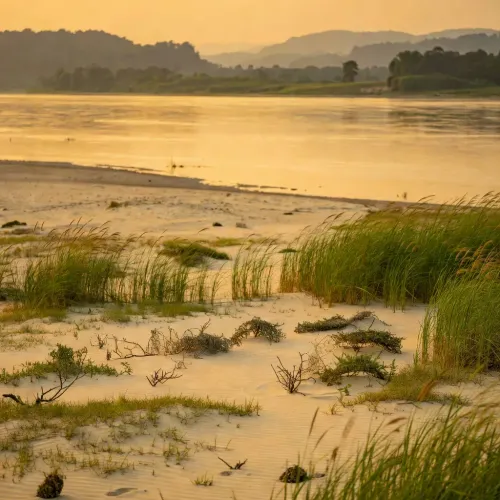
Assam sits in the Brahmaputra valley, one of South Asia's most biodiverse but flood-vulnerable corridors. Successive state budgets have sought to merge biodiversity protection with climate-resilience spending, reflecting the dual pressures of habitat loss and extreme weather events that threaten both wildlife and human settlements in the region.
Stakeholders and Impact
Wildlife rangers and anti-poaching units are the most direct beneficiaries of enhanced budgetary support, enabling better equipment, patrol infrastructure, and incentive structures. Forest-fringe communities in districts surrounding Kaziranga, Manas, and other reserves are both stakeholders in the conservation gains and, in some cases, parties affected by land-reclamation actions.
The Assam biodiversity sector — encompassing wildlife researchers, eco-tourism operators, and environmental civil society — stands to gain from sustained investment if the ₹970 crore is deployed effectively across habitat restoration, wildlife corridors, and climate-adaptation infrastructure. International conservation bodies monitoring the greater one-horned rhinoceros population will also track whether the zero-poaching streak holds through the remainder of the fiscal year.
What's Next
Attention will now turn to the utilisation reports for the ₹970 crore environment component of Assam Budget 2026, expected to be tabled as the fiscal year progresses. Any mid-term review of forest-cover targets and an independent audit of the reclaimed hectares will determine whether the headline figures translate into durable ecological gains.
If the zero-poaching streak extends further, Assam could cement its standing as a national model for large-mammal conservation — a status that would carry both domestic political weight and international recognition at forums focused on biodiversity commitments under global climate and nature agreements.
Point of View
These metrics serve a dual purpose: they reinforce his administration's strongman conservation credentials domestically while positioning Assam favourably in national and global biodiversity conversations. The ₹970 crore allocation signals that conservation is no longer a peripheral line item in the state budget but a political priority with measurable deliverables. However, the credibility of these figures will ultimately rest on independent verification and whether reclaimed land translates into restored habitat rather than remaining a bureaucratic statistic.
NationPress
13 Jul 2026
Frequently Asked Questions
How many days has Assam gone without rhino poaching in 2026?
As of 13 July 2026, Assam has recorded over 860 consecutive days without a rhino poaching incident, according to the Chief Minister's Office.
How much forest land has Assam reclaimed from encroachment?
The Assam government has reclaimed 16,937 hectares of forest land through anti-encroachment drives conducted since 2021 under Chief Minister Himanta Biswa Sarma.
How much has Assam allocated for forest conservation in Budget 2026?
Assam Budget 2026 includes an allocation of ₹970 crore for forest conservation and climate resilience programmes.
Which rhino species is protected in Assam and where?
The greater one-horned rhinoceros is the primary species, conserved mainly in Kaziranga National Park and other protected reserves across Assam's Brahmaputra valley.
Who is the Chief Minister of Assam overseeing these conservation efforts?
Dr. Himanta Biswa Sarma has served as Chief Minister of Assam since May 2021 and has been the driving force behind both anti-poaching operations and forest-land reclamation drives.