CM Assam Office Marks Start of Ambubachi Mela 2026

Synopsis
The Chief Minister's Office of Assam on 23 June 2026 announced the commencement of Ambubachi Mela at Kamakhya Temple in Guwahati, one of the 51 Shakti Peethas, drawing lakhs of devotees and tantric practitioners to Nilachal Hill for the annual four-day sacred festival.
Key Takeaways
The Chief Minister's Office of Assam officially announced the start of Ambubachi Mela 2026 on 23 June 2026 .
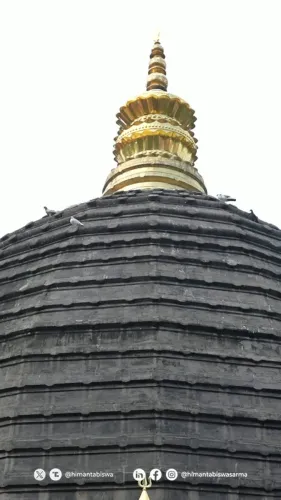
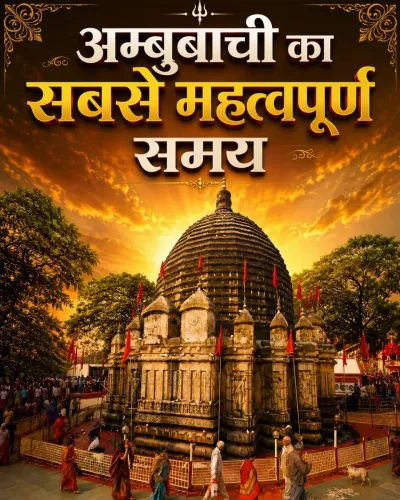
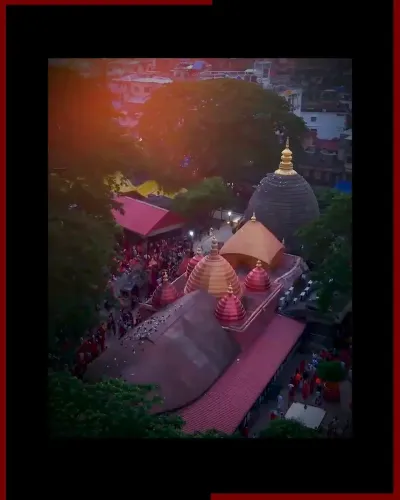
Kamakhya Temple on Nilachal Hill, Guwahati is one of the 51 Shakti Peethas and the focal point of the four-day festival.
The mela marks the period when the Earth goddess is believed to undergo her annual menstrual cycle, a unique observance in India's religious calendar.
The Assam government under CM Himanta Biswa Sarma has consistently facilitated logistics, security, and sanitation for the festival as part of pilgrim-tourism management.
The mela generates significant economic activity for local vendors, transport operators, and hospitality businesses in Guwahati .
The temple's reopening ceremony on the fourth day is expected to draw the largest single-day pilgrimage footfall of the festival.
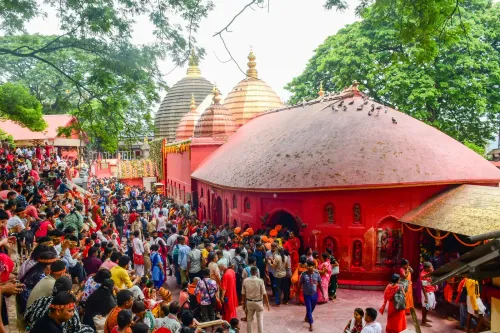
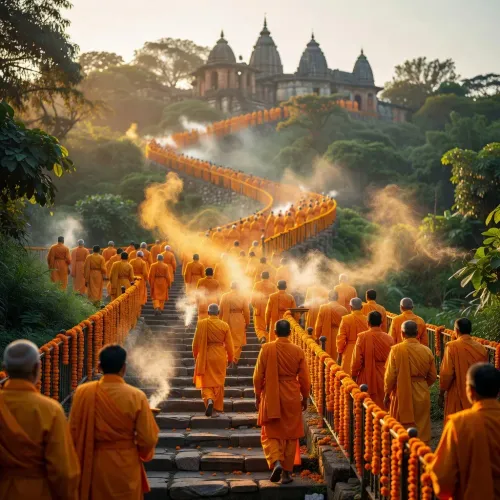
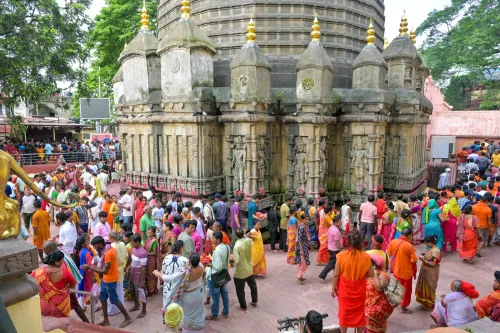
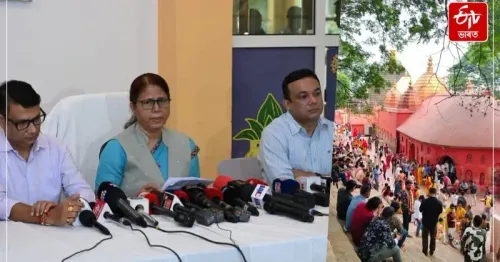
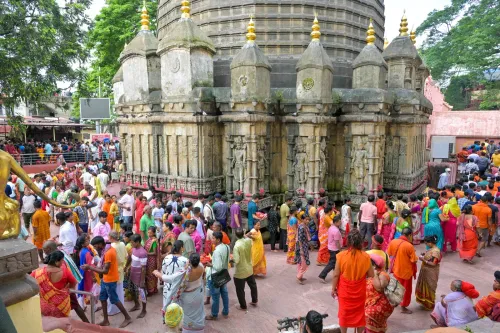
The Chief Minister's Office of Assam announced on Tuesday, 23 June 2026 the commencement of the Ambubachi Mela at Kamakhya Temple in Guwahati, noting a massive convergence of devotees at one of India's most sacred Shakti shrines.
The official post, written in Assamese, declared: 'অগণিত ভক্তৰ সমাগম : অম্বুবাচী মেলা আৰম্ভ' — 'A gathering of countless devotees: Ambubachi Mela begins.' The announcement signals the formal opening of the annual four-day festival that draws tantric practitioners, wandering sadhus, and lakhs of pilgrims to Nilachal Hill every June.
Context
The Ambubachi Mela is observed each year at Kamakhya Temple, one of the 51 Shakti Peethas recognised in Hindu tradition. The festival marks the period during which the Earth goddess is believed to undergo her annual menstrual cycle — a sacred and rare observance in the subcontinent's religious calendar. The temple remains closed for three days and reopens on the fourth, triggering a surge of pilgrims seeking the goddess's blessings. Kamakhya Temple, situated on Nilachal Hill in Guwahati, is a pre-eminent centre of Tantric Shakta worship. Its antiquity and esoteric significance draw not only mainstream Hindu pilgrims but also ascetics and practitioners of Tantric traditions from across South Asia and beyond.Policy Backdrop
The Government of Assam under Chief Minister Himanta Biswa Sarma has consistently used official channels to amplify the state's major religious and cultural events. Since at least the early 2000s, successive state administrations have facilitated logistics, crowd management, sanitation infrastructure, and security deployment for the mela as part of broader pilgrim-tourism management. Assam has strategically projected festivals such as Ambubachi Mela as instruments of cultural preservation and tourism revenue generation. Infrastructure upgrades on Nilachal Hill and improved connectivity to Kamakhya Temple have been paired with high-visibility publicity to position the state as a destination for both domestic spiritual tourism and esoteric pilgrimage circuits.Stakeholders and Impact
The mela generates significant temporary economic activity for Guwahati. Local vendors, transport operators, and hospitality businesses see a sharp uptick in demand during the festival days. Temple priests and the managing committees oversee rituals and the orderly reopening of the sanctum, while state agencies coordinate medical facilities and crowd-control measures. For pilgrims — ranging from first-time devotees to seasoned tantric practitioners — the mela represents one of the most auspicious windows in the Hindu calendar to seek the blessings of Goddess Kamakhya. The convergence of 'countless devotees', as the CMO described it, underscores the festival's undiminished pull despite logistical challenges at scale.What's Next
With the mela now formally under way, attention will turn to state announcements on crowd-control measures, temporary medical facilities, and any fresh allocation for Nilachal Hill infrastructure ahead of peak pilgrimage days. The temple's reopening ceremony — marking the conclusion of the goddess's sacred period — is expected to draw the largest single-day footfall of the festival. How the Assam government manages this surge will be an indicator of its broader ambitions to scale up pilgrim-tourism infrastructure across the state.Point of View
Assam has made a pattern of foregrounding its Shakta heritage through official channels, positioning the state as a custodian of a living tantric tradition. Ambubachi Mela sits at the intersection of faith, soft power, and economic opportunity — a combination that successive governments have found politically and fiscally rewarding. The scale of devotee convergence each year also tests the state's administrative capacity, making crowd and infrastructure management an implicit measure of governance credibility.
NationPress
23 Jun 2026
Frequently Asked Questions
What is Ambubachi Mela and why is it celebrated?
Ambubachi Mela is an annual four-day festival held at Kamakhya Temple in Guwahati, Assam, marking the period when the Earth goddess is believed to undergo her annual menstrual cycle. It is one of the most significant Shakta observances in India, drawing lakhs of pilgrims, sadhus, and tantric practitioners each June.
Where is Kamakhya Temple located?
Kamakhya Temple is located on Nilachal Hill in Guwahati, the capital city of Assam. It is one of the 51 Shakti Peethas recognised in Hindu tradition and a major centre of Tantric worship.
When did Ambubachi Mela 2026 begin?
The Chief Minister's Office of Assam announced the commencement of Ambubachi Mela 2026 on Tuesday, 23 June 2026.
How does the Assam government support Ambubachi Mela?
The Assam government facilitates logistics, crowd management, sanitation infrastructure, security deployment, and temporary medical facilities for the mela each year as part of its pilgrim-tourism management efforts.
What is the significance of the temple reopening during Ambubachi Mela?
The Kamakhya Temple remains closed for three days during the festival and reopens on the fourth day, symbolising the conclusion of the goddess's sacred period. The reopening ceremony draws the largest single-day footfall of the entire mela.