CM Assam Promotes PM Fasal Bima Yojana Crop Cover

Synopsis
The Chief Minister's Office of Assam amplified PM Fasal Bima Yojana ahead of the 2026 kharif season, reminding farmers that the central crop insurance scheme covers losses from floods, droughts, cyclones, pests and diseases at subsidised premium rates.
Key Takeaways
The Chief Minister's Office of Assam posted on 13 July 2026 to promote the Pradhan Mantri Fasal Bima Yojana during the kharif sowing season.
PMFBY covers crop losses caused by floods, droughts, cyclones, pests and diseases at a uniform farmer premium of 2 per cent for kharif and 1.5 per cent for rabi crops.
The scheme was launched by PM Narendra Modi on 13 January 2016 , replacing the older National Agricultural Insurance Scheme.
In 2020 , enrollment was made voluntary for loanee farmers and premium-subsidy sharing ratios between centre and states were revised.
Assam has historically shown lower PMFBY enrollment than western and southern states, making awareness drives by the state government particularly significant.
Enrollment and claim-settlement data for the 2026 kharif season will indicate whether outreach efforts translate into real financial protection for farmers.
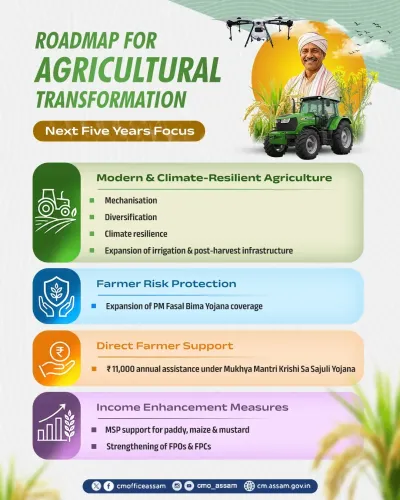
The Chief Minister's Office of Assam on Sunday, 13 July 2026, used its official X account to amplify the Pradhan Mantri Fasal Bima Yojana (PMFBY), urging farmers across the state to treat the crop insurance scheme as a financial safety net against seasonal losses.
The post, shared under the hashtag #KnowYourPolicyIn60Seconds, carried the message: 'One bad season shouldn't define a farmer's future.' It highlighted that PMFBY provides protection against crop losses caused by floods, droughts, cyclones, pests and diseases, so that 'every season begins with hope.'
Context
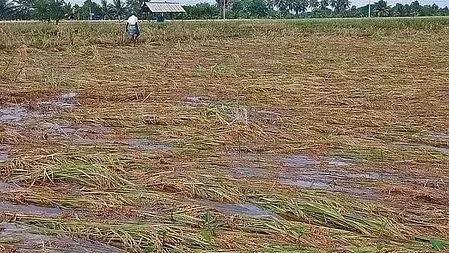
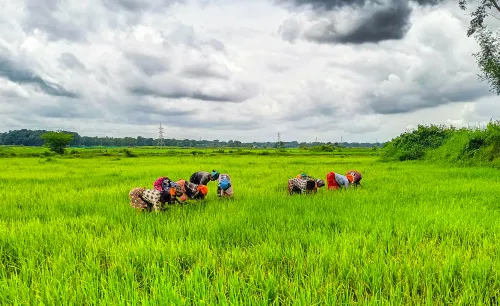
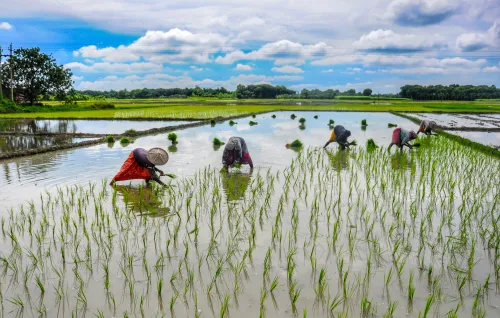
Assam is one of India's most flood-prone states, with the Brahmaputra and its tributaries inundating agricultural land during the kharif season almost every year. Paddy, the dominant crop, is particularly vulnerable to both waterlogging and erratic monsoon withdrawal. For the farming communities of the state, a single bad harvest can push households into debt cycles that last years. The CMO's post is timed to the active kharif sowing window, when enrollment in PMFBY is most consequential.Policy Backdrop
PM Narendra Modi launched the Pradhan Mantri Fasal Bima Yojana on 13 January 2016, replacing the older National Agricultural Insurance Scheme (NAIS) and its modified successor. The redesigned scheme introduced uniform, farmer-friendly premium rates: 2 per cent of the sum insured for kharif crops, 1.5 per cent for rabi crops, and 5 per cent for commercial and horticultural crops. The central and state governments share the remaining premium burden. In 2020, guidelines were revised to make enrollment voluntary for loanee farmers and to cap the subsidy-sharing ratios between the centre and states, giving states more flexibility in scheme design. Before PMFBY, area-based yield assessments meant that individual farmers often received inadequate compensation even when their specific plots suffered severe damage. The current framework moves toward individual farm-level assessment, though implementation quality varies across states.Stakeholders and Impact
Northeastern states, including Assam, have historically recorded lower PMFBY enrollment and claim-settlement ratios compared with larger agricultural states in western and southern India. Awareness gaps, limited banking penetration in rural areas, and complex documentation requirements have been cited as barriers. State-level amplification campaigns by offices like the CMO are part of a broader effort to close this enrollment gap and ensure that eligible farmers — particularly smallholders and marginal cultivators — register before seasonal deadlines. Insurance companies operating under the PMFBY public-private partnership model are the other key stakeholder. Timely and transparent claim settlement remains a persistent concern raised by farmer groups across the country.What's Next
The enrollment window for the 2026 kharif season is the immediate milestone to watch. Assam's district-level agricultural departments are expected to drive ground-level registration drives in parallel with state-level social media outreach. Claim settlement data at the end of the season will be the real test of whether awareness translates into financial protection for farmers who face losses. Any revision to premium-sharing ratios between the centre and Assam in the coming months could also affect the scheme's reach in the state.Point of View
But it carries strategic weight in a state where Brahmaputra floods routinely devastate kharif harvests. Assam's historically low PMFBY enrollment figures mean that even incremental awareness gains from social media outreach could translate into meaningful financial protection for marginal farmers. The timing — at the peak of kharif sowing — suggests a deliberate effort to drive last-mile enrollment before seasonal deadlines close. More broadly, the post reflects the BJP-led state government's alignment with the Centre's agricultural risk-mitigation narrative ahead of what could be a challenging monsoon season.
NationPress
12 Jul 2026
Frequently Asked Questions
What is PM Fasal Bima Yojana and who can apply?
Pradhan Mantri Fasal Bima Yojana is a central government crop insurance scheme launched in 2016 that covers losses from floods, droughts, cyclones, pests and diseases. All farmers — including tenant and sharecropper farmers — growing notified crops are eligible to apply through their local bank branch or Common Service Centre.
What are the premium rates under PMFBY for farmers?
Farmers pay a maximum of 2 per cent of the sum insured for kharif crops, 1.5 per cent for rabi crops, and 5 per cent for commercial and horticultural crops. The central and state governments jointly cover the remaining premium cost.
Why is Assam promoting PMFBY now?
The Chief Minister's Office of Assam shared the PMFBY awareness post in July 2026, coinciding with the active kharif sowing season when enrollment deadlines are approaching. Assam is highly flood-prone, making crop insurance especially critical for paddy farmers in the state.
Is PMFBY enrollment compulsory for farmers in Assam?
Since 2020, enrollment in PMFBY is voluntary for loanee farmers — those who have taken crop loans from banks. Non-loanee farmers can also enroll voluntarily through banks or Common Service Centres before the notified cut-off date for each season.
What crops are covered under PM Fasal Bima Yojana in Assam?
PMFBY covers notified crops in each state, which in Assam typically include paddy (the dominant kharif crop), as well as other cereals, oilseeds, and commercial crops notified by the state government each season. Specific coverage lists are published by the Assam agriculture department before each sowing season.