CM Bhagwant Mann: Cash transfers under Maanvaan Dhian Satkar Yojana from July 1
Synopsis
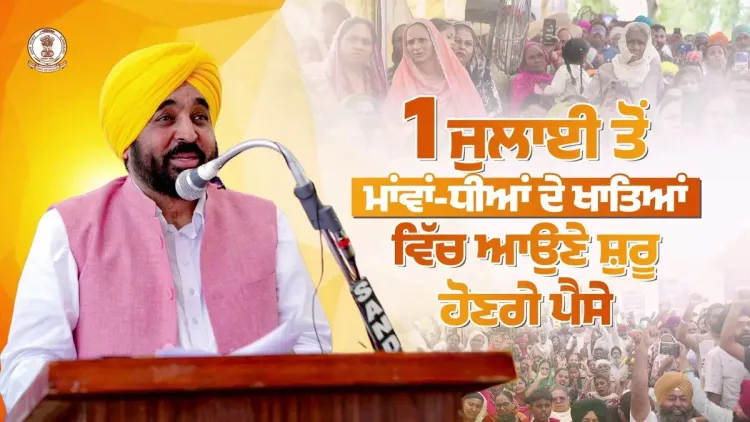
Punjab CM Bhagwant Mann has announced that under the Maanvaan Dhian Satkar Yojana, funds will be deposited directly into eligible women's bank accounts from July 1, 2026. The AAP government framed the scheme as providing both economic support and social dignity to women in Punjab.
Key Takeaways
CM Bhagwant Mann announced the Maanvaan Dhian Satkar Yojana will begin disbursements on July 1, 2026 .
Funds will be deposited directly into the bank accounts of eligible women in Punjab .
The scheme's stated aim is to provide women with economic support and social respect.
The Aam Aadmi Party government included women-centric financial assistance in its 2022 election manifesto.
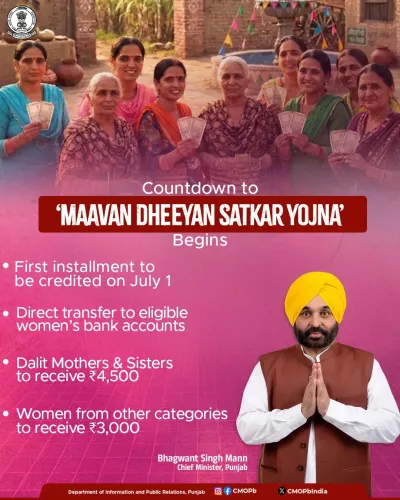
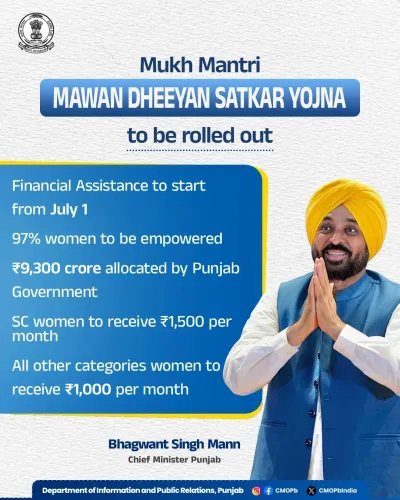
Specific transfer amounts, eligibility criteria, and total beneficiary numbers have not yet been officially disclosed.
Punjab follows a broader national trend of state governments launching direct cash transfer schemes for women since 2022.
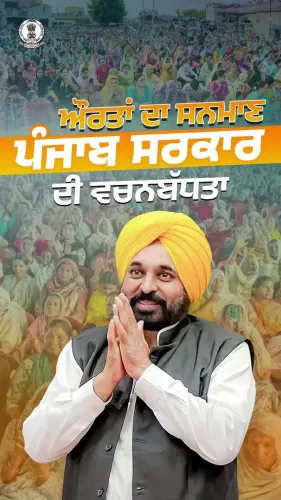
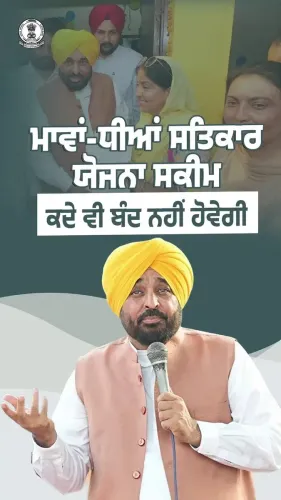
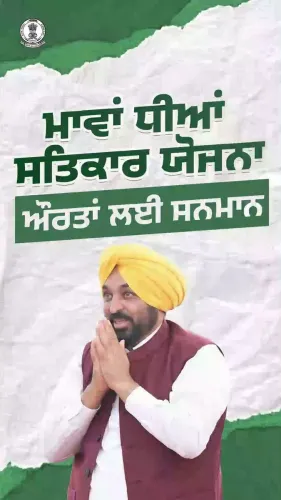
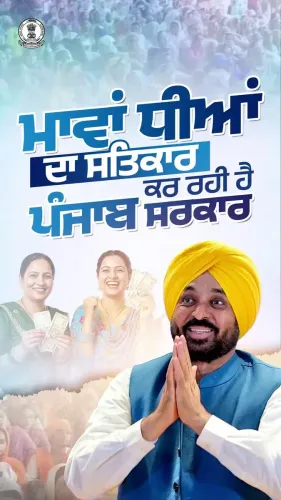
Chief Minister Bhagwant Mann announced on Tuesday, June 23, 2026, that the Punjab government will begin depositing funds directly into the bank accounts of eligible women under the Maanvaan Dhian Satkar Yojana (Mothers-Daughters Respect Scheme) starting July 1. The Chief Minister's Office of Punjab made the announcement via its official X account, stating that the scheme aims to provide women with both economic support and social dignity.
Context
The post, written in Punjabi, states: 'Mukhya Mantri @BhagwantMann ne elaan kita hai ki Maanvaan Dhian Satkar Yojana tahat yog mahilavan de bank khatiyan vich 1 July ton rashi jama honi shuru ho javegi.' Translated, this reads: 'Chief Minister Bhagwant Mann has announced that under the Maanvaan Dhian Satkar Yojana, funds will begin to be deposited into the bank accounts of eligible women from July 1.' The government described the scheme's purpose as providing women with 'economic support and respect.'
The announcement comes from the official Chief Minister's Office of Punjab account, lending it institutional weight ahead of the scheme's rollout date.
Policy Backdrop
The Aam Aadmi Party, which swept to power in Punjab in March 2022, had included women-centric financial assistance in its election manifesto. The Maanvaan Dhian Satkar Yojana — whose name translates to 'Mothers-Daughters Respect Scheme' — fits squarely within that commitment, using direct bank transfers as the delivery mechanism to ensure funds reach beneficiaries without intermediaries.
Punjab's move follows a broader national pattern: multiple Indian states across party lines have launched direct cash transfer schemes for women since 2022, framing them as tools to address economic vulnerability and promote gender-focused welfare. The use of bank accounts as the delivery channel aligns with India's financial inclusion infrastructure built around Jan Dhan accounts.
Stakeholders and Impact
The primary beneficiaries are eligible women residents of Punjab, a northern Indian state with a population exceeding 2.7 crore. The government has framed the scheme in dual terms — financial aid and social honour — signalling an intent to go beyond a transactional cash transfer and position it as a recognition of women's status in society.
Specific details including the monthly transfer amount, precise eligibility criteria, and the total number of intended beneficiaries have not been disclosed in the announcement. Government notifications ahead of the July 1 rollout are expected to spell out these parameters.
What's Next
The immediate focus shifts to the operational rollout: official government notifications detailing eligibility rules, transfer amounts, and beneficiary registration processes are expected before July 1, 2026. Subsequent budget allocations and disbursement reports will determine the scheme's scale and fiscal footprint.
CM Bhagwant Mann's government will face scrutiny on implementation speed and coverage breadth, particularly as women's welfare schemes have become a key political benchmark for state governments across India heading into future electoral cycles.
Point of View
A firm start date, and a direct-to-bank delivery model that bypasses bureaucratic leakage optics. By setting July 1 as the rollout date, the Mann government creates a hard accountability marker for itself — one that will be closely watched given the scheme's details remain undisclosed. The broader pattern of women-focused cash transfers across Indian states reflects a competitive welfare politics dynamic, where direct benefit transfers have become a standard tool for incumbents to demonstrate governance. Punjab's fiscal capacity to sustain such a programme over multiple years will ultimately determine whether this becomes a durable policy achievement or a pre-election headline.
NationPress
23 Jun 2026
Frequently Asked Questions
What is the Maanvaan Dhian Satkar Yojana?
The Maanvaan Dhian Satkar Yojana is a Punjab government scheme that deposits funds directly into the bank accounts of eligible women, aimed at providing economic support and social dignity. It was announced by Chief Minister Bhagwant Mann.
When will the Maanvaan Dhian Satkar Yojana start?
CM Bhagwant Mann announced that fund transfers under the scheme will begin from July 1, 2026 .
Who is eligible for the Maanvaan Dhian Satkar Yojana in Punjab?
The government has described beneficiaries as 'eligible women' in Punjab, but specific eligibility criteria have not been officially disclosed yet. Further details are expected in government notifications ahead of the July 1 rollout.
How much money will women get under the Punjab Maanvaan Dhian Satkar Yojana?
The exact transfer amount has not been announced in the official post. The Punjab government is expected to release detailed notifications before the July 1, 2026 start date.
Which party runs the Punjab government that launched this scheme?
The Aam Aadmi Party (AAP), led by Chief Minister Bhagwant Mann, has governed Punjab since March 2022 and has prioritised direct welfare transfers as a key policy plank.