CM Bhagwant Mann Hands Licences to 2,800 Ration Depot Holders in Mohali
Synopsis
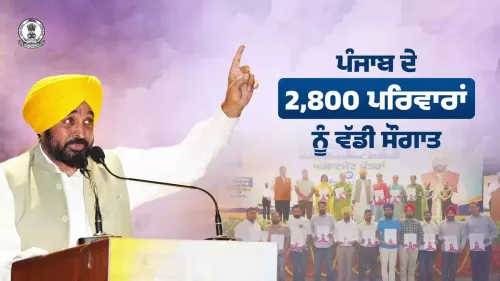
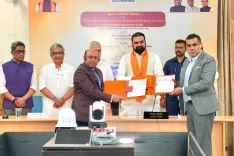
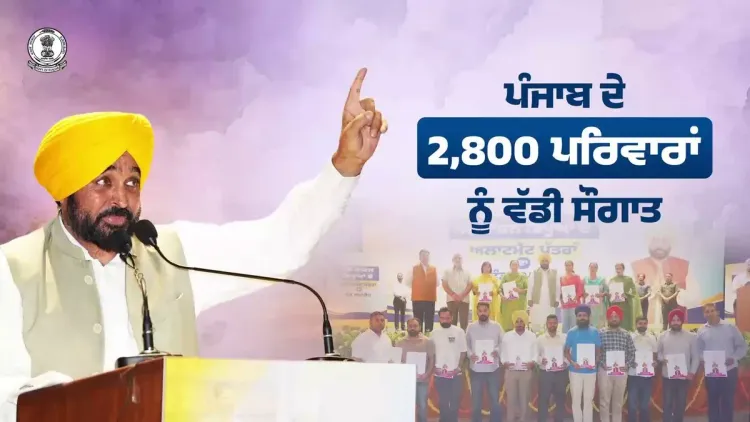
Chief Minister Bhagwant Mann handed licences to 2,800 new ration depot holders in Mohali on 17 July 2026, significantly expanding Punjab's public distribution system and calling the role a 'great responsibility of public service.'
Key Takeaways
2,800 new ration depot licences were distributed by Chief Minister Bhagwant Mann at a ceremony in Mohali on 17 July 2026 .
The depot holders will operate as fair price shops under India's Public Distribution System , supplying subsidised food grains to entitled households.
The National Food Security Act, 2013 mandates PDS coverage for up to 75 per cent of rural and 50 per cent of urban populations.
Mann described the licence as 'a great responsibility of public service,' framing the expansion as an accountability exercise, not just an administrative one.
Operational audits and potential budget allocations for the Food and Civil Supplies Department will be key indicators of follow-through.
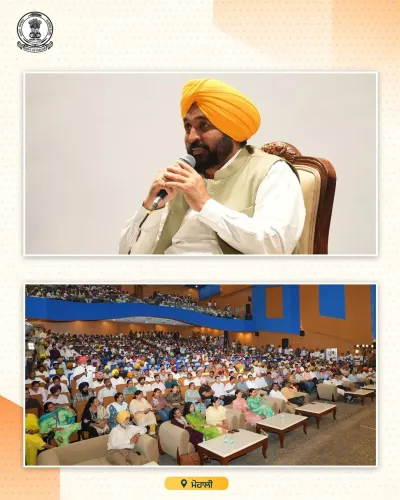
The Chief Minister's Office of Punjab announced on Friday, 17 July 2026 that Chief Minister Bhagwant Mann distributed licences to 2,800 new ration depot holders at a ceremony held in Mohali, expanding the state's public distribution network. Mann described the occasion as a moment of significant public responsibility for the new licence holders.
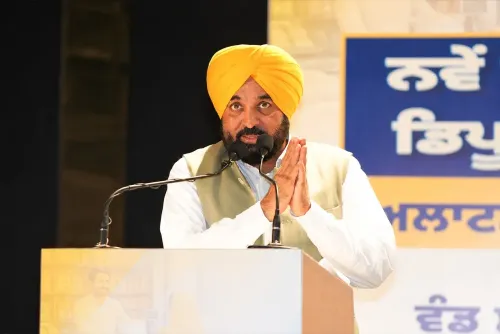
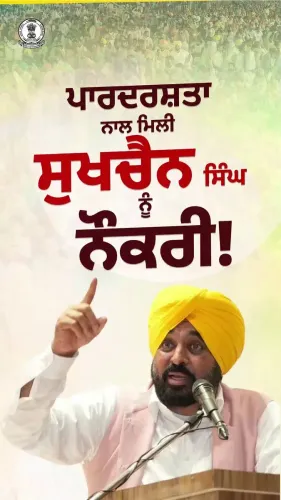
Posting in Punjabi, the Chief Minister's Office quoted Mann as saying: 'ਇਹ ਲੋਕ ਸੇਵਾ ਦੀ ਵੱਡੀ ਜ਼ਿੰਮੇਵਾਰੀ ਹੈ' ['This is a great responsibility of public service']. The remark framed the licence distribution not merely as an administrative exercise but as a call to accountable service delivery.
Context
Ration depots — commonly known as fair price shops — are the last-mile delivery points of India's Public Distribution System (PDS), through which subsidised food grains reach crores of entitled households. The National Food Security Act, 2013 mandates coverage of up to 75 per cent of rural and 50 per cent of urban populations, making the density and integrity of these shops central to food security outcomes.
Mohali, adjacent to Chandigarh and one of Punjab's fastest-growing districts, has seen rising demand for expanded PDS infrastructure as its population and urban footprint grow. Friday's ceremony addressed that demand directly by onboarding a large cohort of new depot operators in a single event.
Policy Backdrop
State governments across India periodically issue fresh fair price shop licences to replace defunct outlets, cover underserved localities, and reduce the distance beneficiaries must travel to collect their entitlements. Punjab's move fits this long-standing administrative pattern but is notable for the scale — 2,800 licences issued at one go — signalling a deliberate push to widen coverage rather than routine replacement.
Since taking office in March 2022, Chief Minister Bhagwant Mann and his Aam Aadmi Party government have positioned welfare delivery and anti-corruption measures as twin pillars of governance. Expanding the PDS network while publicly framing it as a service obligation aligns with that stated agenda.
Stakeholders and Impact
The most immediate beneficiaries are the 2,800 newly licensed depot holders themselves, who gain a regulated livelihood, and the PDS beneficiary households in their catchment areas, who stand to receive more convenient access to subsidised grains. Improved geographic coverage can also reduce leakage by shortening informal supply chains.
Civil supplies department officials and field inspectors will bear heightened oversight responsibilities as the expanded network becomes operational. Consumer welfare groups and anti-corruption watchdogs are likely to track whether the new depots adhere to stock transparency and timely distribution norms.
What's Next
Attention will now shift to operational audits of the newly licensed depots to verify stock availability, correct weighing, and beneficiary satisfaction. Any subsequent state budget allocations for strengthening the Food and Civil Supplies Department — including digital monitoring tools and grievance redressal mechanisms — will indicate the depth of the government's commitment beyond the licence-distribution ceremony.
If the Mohali rollout is followed by similar events in other districts, it would suggest a statewide drive to modernise and expand Punjab's PDS infrastructure ahead of the next electoral cycle.
Point of View
800 ration depot licences in a single public event is as much political theatre as it is administrative action — it allows the AAP government to visibly associate itself with grassroots welfare delivery ahead of future electoral contests. The framing of licence-holding as 'public service responsibility' is a deliberate attempt to pre-empt corruption narratives by setting a moral tone from the outset. Punjab's PDS has historically been plagued by leakage and ghost beneficiaries, so the real test will be whether this expansion is accompanied by robust digital monitoring rather than just ceremony. If audits follow and accountability mechanisms are strengthened, the move could mark a genuine shift in how the state manages food security; if not, it risks being remembered as optics.
NationPress
17 Jul 2026
Frequently Asked Questions
How many ration depot licences did CM Bhagwant Mann distribute in Mohali?
Chief Minister Bhagwant Mann distributed licences to 2,800 new ration depot holders at a ceremony in Mohali on 17 July 2026 .
What is a ration depot or fair price shop in India?
A ration depot, also called a fair price shop, is an authorised outlet under India's Public Distribution System that supplies subsidised food grains — such as rice and wheat — to households entitled under the National Food Security Act, 2013 .
Why is Punjab expanding its PDS network?
State governments periodically issue fresh fair price shop licences to improve geographic coverage, replace defunct outlets, and reduce the distance beneficiaries must travel. Punjab's expansion in Mohali also reflects the district's rapid population and urban growth.
What did CM Bhagwant Mann say about the ration depot licences?
Mann stated that holding a ration depot licence is 'a great responsibility of public service,' urging the new depot holders to treat their role as an obligation to the community rather than merely a business opportunity.
What happens after the ration depot licences are issued in Punjab?
The newly licensed depots must become operational and will be subject to oversight by the Food and Civil Supplies Department . Operational audits and any new budget allocations for monitoring tools will determine whether the expansion translates into improved food security on the ground.