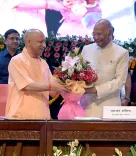
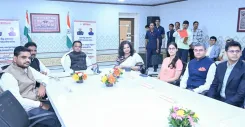
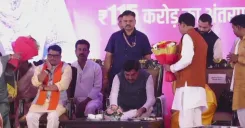
CM Bhagwant Mann Inaugurates Aam Aadmi Clinics in Punjab
Synopsis
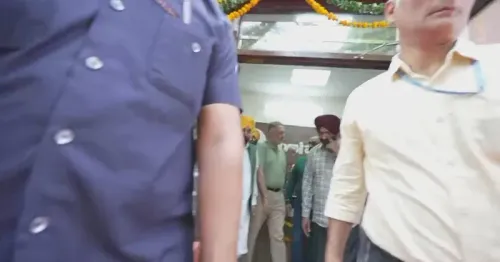
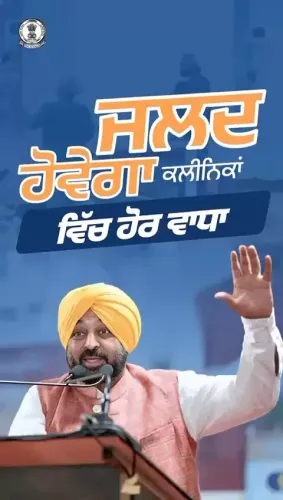
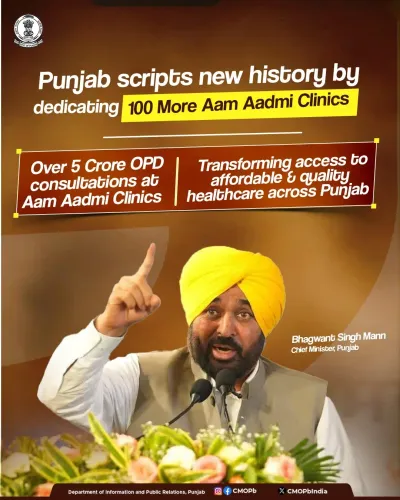
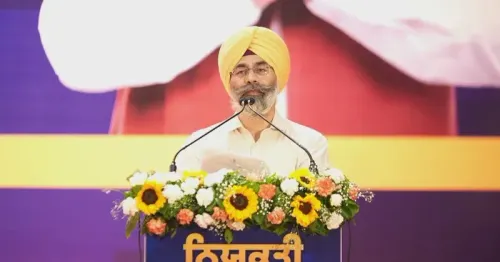
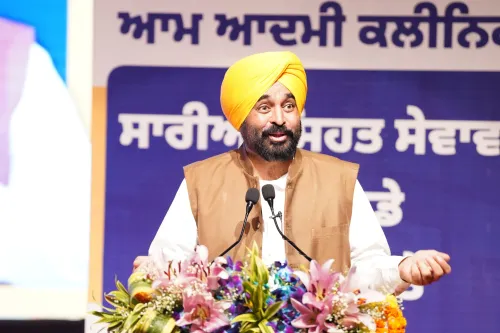
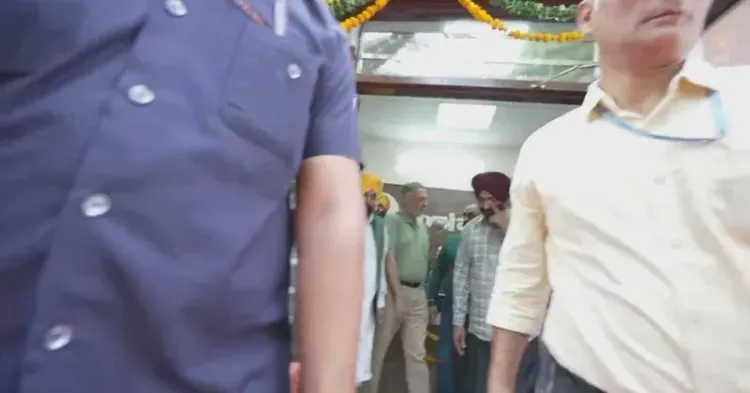
Punjab Chief Minister Bhagwant Mann inaugurated Aam Aadmi Clinics at a state-level ceremony live from Harkhowal village in Chabbewal, Hoshiarpur on October 14, 2026, expanding the AAP government's free primary healthcare network to rural Punjab.
Key Takeaways
Punjab CM Bhagwant Mann presided over a state-level inauguration ceremony for Aam Aadmi Clinics on October 14, 2026 .
The event was held at Harkhowal village in Chabbewal constituency, Hoshiarpur district .
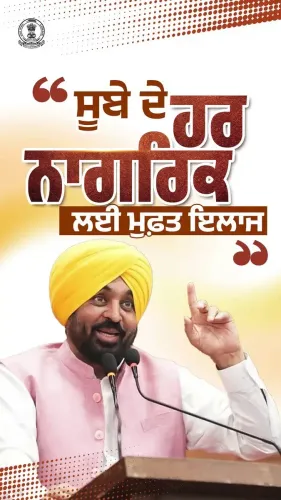
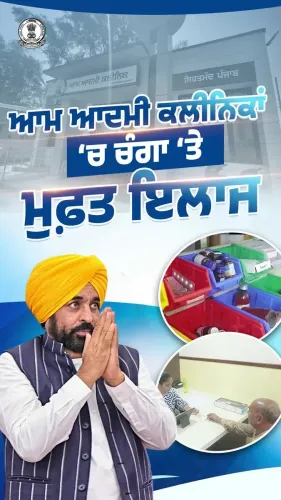
Aam Aadmi Clinics provide free consultations, medicines, and diagnostics, modelled on Delhi's Mohalla Clinic network.
The programme is a flagship health initiative launched after AAP's 2022 Punjab assembly election victory.
The clinics aim to reduce out-of-pocket health expenditure for rural households and ease pressure on district hospitals.
Free healthcare just got closer to Punjab's villages. Punjab Chief Minister Bhagwant Mann was present live at a state-level inauguration ceremony for Aam Aadmi Clinics on Wednesday, October 14, 2026, broadcast directly from Harkhowal village in the Chabbewal assembly constituency of Hoshiarpur district.
A Village in Hoshiarpur at the Centre of Punjab's Health Push
Mann shared the live broadcast from Harkhowal — a rural settlement in Chabbewal — as the state marked the expansion of its flagship primary healthcare network. The state-level ceremony underlines the government's intent to frame the clinic rollout not merely as a departmental exercise, but as a public milestone worth gathering communities around.
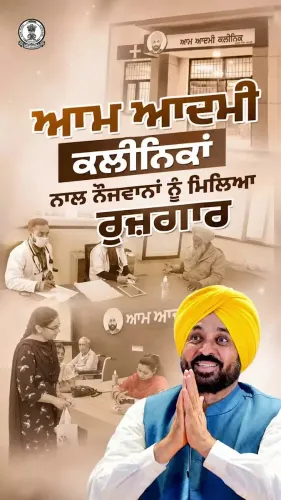
Aam Aadmi Clinics offer free consultations, medicines, and diagnostics at the neighbourhood level — a model drawn directly from the Mohalla Clinic network pioneered by AAP in Delhi. For rural Punjab, where the nearest district hospital can mean hours of travel and significant out-of-pocket spending, a functioning primary care centre in the village itself represents a tangible shift.
AAP's Signature Health Model Moves Into Rural Punjab
When the Aam Aadmi Party swept Punjab's 2022 assembly elections, the Aam Aadmi Clinic was one of the most visible commitments on its health agenda. The programme aims to reduce the burden on overburdened district hospitals by catching common ailments early and locally — a preventive logic that health economists have long argued is the most cost-effective form of public health investment.
The choice of Chabbewal — a rural constituency rather than a district headquarters — as the backdrop for a state-level event is deliberate signalling: the government wants credit for reaching the last mile, not just the urban centres.
What Free Clinics Mean for Punjab's Village Households
For rural patients, the arithmetic is simple. A trip to a district hospital can cost a family a day's wages in transport, waiting time, and medicines. A free consultation with diagnostics and prescribed medicines dispensed on-site changes that equation entirely. Stakeholders most directly affected are the rural poor — agricultural labourers, small farmers, and elderly residents who historically delay treatment because of cost.
The broader pattern across AAP-governed states points toward neighbourhood-level primary care as a political and policy priority — one that is measurable, visible, and lands directly in the lives of voters.
As clinics multiply across Punjab's villages, the real test will be whether staffing, medicine supply chains, and diagnostic equipment hold up beyond inauguration day — because in public health, the ribbon-cutting is the easy part.
Point of View
The government is reinforcing its 'common man' branding in the precise geography where elections are won and lost. Aam Aadmi Clinics also serve as a direct counter-narrative to critics who argue the party prioritises optics over governance — free diagnostics and medicines at the village level are hard to dismiss. The long-term policy test, however, remains supply-chain reliability and staff retention, which will determine whether these clinics become enduring infrastructure or seasonal showcases.
NationPress
14 Oct 2026
Frequently Asked Questions
What are Aam Aadmi Clinics in Punjab?
Aam Aadmi Clinics are government-run primary healthcare centres in Punjab that provide free medical consultations, medicines, and diagnostic tests to patients. They are modelled on Delhi's Mohalla Clinic network and were launched after AAP formed the Punjab government in 2022.
Where is Harkhowal village located?
Harkhowal is a village in the Chabbewal assembly constituency of Hoshiarpur district in Punjab, India.
What services do Aam Aadmi Clinics offer?
The clinics offer free doctor consultations, free medicines, and free diagnostic tests, targeting common ailments at the primary care level to reduce patient burden on larger district hospitals.
When did AAP launch Aam Aadmi Clinics in Punjab?
The rollout of Aam Aadmi Clinics in Punjab began after the Aam Aadmi Party won the Punjab assembly elections in early 2022 and formed the state government under Chief Minister Bhagwant Mann.
Why is CM Bhagwant Mann inaugurating clinics in rural areas?
The Punjab government is prioritising rural areas for clinic inaugurations to extend free primary healthcare to villages where residents face high travel costs and limited access to district hospitals, directly reducing out-of-pocket health expenditure.