CM Bhajan Lal Approves 5-Tier Rural Water O&M Policy
Synopsis
Rajasthan CM Bhajan Lal Sharma's cabinet on 13 August 2026 approved a five-tier Operation and Maintenance policy for rural water supply schemes, building a governance chain from gram panchayat to state level to ensure sustainable, clean drinking water delivery across the state.
Key Takeaways
Rajasthan cabinet approved a new Operation and Maintenance (O&M) policy for rural water supply schemes on 13 August 2026 .
The policy creates a five-level governance structure stretching from Gram Panchayat to the state level.
The framework aims to ensure long-term operation and adequate supply of pure drinking water to every rural family in Rajasthan.
The decision aligns with the Jal Jeevan Mission , the central government's 2019 programme for rural household tap connections.
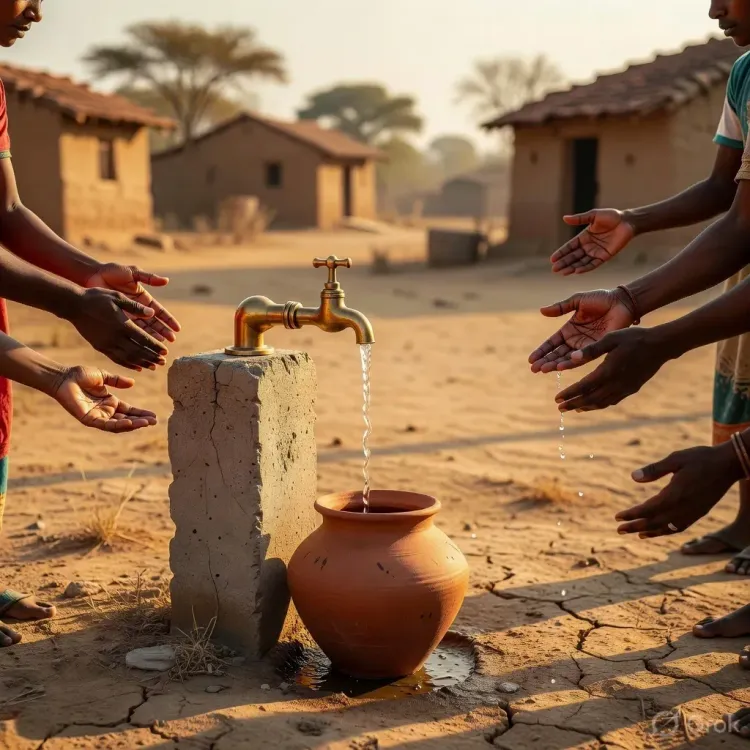
Rajasthan's arid terrain makes sustained water infrastructure maintenance a critical challenge, giving the policy added urgency.
Clean drinking water for every rural family in Rajasthan moved a step closer to reality on Thursday, 13 August 2026, when Rajasthan Chief Minister Bhajan Lal Sharma chaired a cabinet meeting that formally approved a new Operation and Maintenance (O&M) policy for rural water supply schemes across the state.
A Five-Tier Framework From Village to State
At the heart of the decision is a five-level governance structure — spanning from the Gram Panchayat at the base all the way up to the state level — designed to ensure that rural water infrastructure does not fall into disrepair after installation. The CM described the policy as a mechanism to guarantee 'long-term operation and adequate supply of pure drinking water' to rural households.
The tiered architecture directly addresses one of the most persistent failures in rural water delivery: schemes that get built but not maintained. By anchoring accountability at the village level and escalating it upward through a defined chain, the policy attempts to close the gap between infrastructure creation and sustained functionality.
Where Rajasthan's Move Fits the National Picture
The policy sits squarely within the framework of the Jal Jeevan Mission (JJM), the Government of India's flagship programme launched in 2019 to deliver functional household tap connections to every rural home in the country. Rajasthan, with its arid terrain and historically strained groundwater, has been one of the more challenging states in the JJM rollout.
Several states have moved to create tiered O&M governance structures as a second-generation response to JJM — recognising that laying pipes is only half the battle. Rajasthan's cabinet approval formalises this institutional layer, aligning the state with a broader national pattern of strengthening local-to-state coordination for water scheme sustainability.
Gram Panchayats, as elected village-level bodies, will be the first point of accountability under the new framework — a design choice that devolves both responsibility and, presumably, resources to the communities closest to the problem.
What to Watch as the Policy Takes Effect
The real test begins with rollout. How quickly the five-tier structure is operationalised across Rajasthan's vast and dispersed district network will determine whether this cabinet decision translates into taps that actually flow. Central reviews of state water scheme performance under JJM guidelines will also put the policy's outcomes under scrutiny in the months ahead.
For a state where rural water access has long been a political and humanitarian pressure point, a durable O&M framework is not a bureaucratic footnote — it is the difference between a scheme that works and one that rusts.
Point of View
Less visible second phase: keeping what has been built actually running. A five-tier O&M structure is a bet on institutional layering over ad-hoc repair, and its success will depend entirely on whether gram panchayats receive the funding and technical capacity to act as genuine first responders. For Chief Minister Bhajan Lal Sharma, formalising this framework is also a political signal — rural water access in an arid state is a vote-sensitive issue, and demonstrating systemic governance rather than project announcements is a different kind of accountability. The broader pattern of states building maintenance frameworks atop JJM suggests this is becoming a national norm; Rajasthan's version will be watched for how it handles the state's particular geography and scale.
NationPress
13 Aug 2026
Frequently Asked Questions
What is the new O&M policy approved by Rajasthan cabinet?
The Rajasthan cabinet on 13 August 2026 approved an Operation and Maintenance policy for rural water supply schemes, establishing a five-tier governance structure from gram panchayat to state level to ensure long-term, sustained delivery of clean drinking water in rural areas.
What is the five-tier structure in Rajasthan's rural water policy?
The five-level framework creates a chain of accountability for rural water scheme maintenance that starts at the gram panchayat level and escalates through intermediate tiers up to the state government, ensuring oversight and responsibility at every level of administration.
How does this relate to the Jal Jeevan Mission?
Jal Jeevan Mission is the central government programme launched in 2019 to provide piped drinking water to all rural households. Rajasthan's O&M policy builds a state-level maintenance and governance layer on top of JJM infrastructure to ensure schemes remain functional over the long term.
What role will gram panchayats play under the new water policy?
Gram Panchayats — elected village-level local bodies — are positioned as the first tier of accountability under the new framework, making them responsible for front-line monitoring and maintenance of rural water supply infrastructure in their jurisdiction.
Why is rural water supply a challenge in Rajasthan?
Rajasthan is a northwestern Indian state with largely arid terrain and historically stressed groundwater resources, making reliable rural water delivery one of its most persistent infrastructure and governance challenges.