Panchen Lama abduction: China chose political control over religion, report finds
Synopsis
Thirty years after a six-year-old boy was recognised as the 11th Panchen Lama and then vanished into Chinese custody, a new account lays bare how Beijing's reversal of a jointly agreed religious process transformed a child into a geopolitical hostage — and set a template for state control over Tibetan Buddhist succession that now looms over the future of the Dalai Lama's own reincarnation.
Key Takeaways
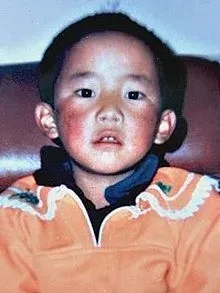
Gedhun Choekyi Nyima was recognised as the 11th Panchen Lama by the Dalai Lama in May 1995 , when he was six years old .
China reversed its initial agreement, declared the recognition 'illegal', and abducted Gedhun Choekyi Nyima and his family three days later.
Beijing installed its own candidate, Gyaincain Norbu , as the state-sanctioned Panchen Lama .
The whereabouts of Gedhun Choekyi Nyima have remained unknown for more than 30 years .
The International Campaign for Tibet (ICT) and global supporters have called on the CCP to immediately release him and restore his rights.
ICT President Tencho Gyatso has urged President Trump and Secretary Rubio to press China on the issue.
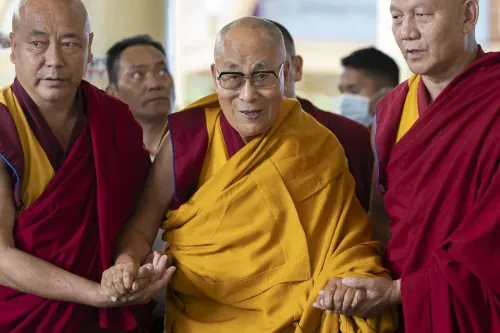
The abduction of the 11th Panchen Lama, Gedhun Choekyi Nyima, was a deliberate consequence of Beijing's decision to subordinate Tibetan religious tradition to state political authority, according to a detailed account published in The Tibet Express by Khedroob Thondup, nephew of the Dalai Lama. The case, now spanning more than 30 years, has become a defining example of how authoritarian governments deploy religious succession as an instrument of political control.
How the Search Began
In the mid-1990s, China and Dharamshala reached an agreement to jointly identify the reincarnation of the Panchen Lama — a figure second only to the Dalai Lama in Tibetan Buddhism. Beijing appointed Chadrel Rinpoche, the widely respected abbot of Tashilhunpo Monastery, to lead the search committee. After extensive investigation, Chadrel Rinpoche identified Gedhun Choekyi Nyima as the rightful reincarnation, a conclusion that both sides initially accepted. Chadrel Rinpoche subsequently wrote to the Dalai Lama requesting the formal announcement.
The Dalai Lama's Recognition and China's Reversal
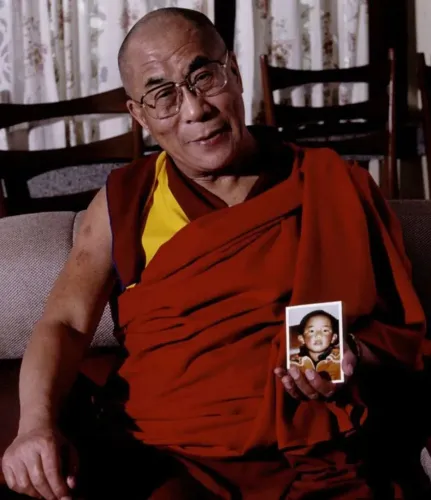
In May 1995, the Dalai Lama formally recognised Gedhun Choekyi Nyima as the 11th Panchen Lama. Within days, China reversed its earlier position, declaring the announcement 'illegal' and installing its own candidate, Gyaincain Norbu, as the state-sanctioned Panchen Lama. Just three days after the Dalai Lama's announcement, Gedhun Choekyi Nyima, then six years old, and his family were taken into custody by Chinese authorities — effectively disappearing from public view.
Thirty Years of Silence
According to Thondup, the whereabouts of Gedhun Choekyi Nyima remain unknown more than 30 years after his disappearance. China's consistent refusal to provide verifiable evidence of his safety, critics argue, underscores the political character of the detention. Thondup wrote: 'The abduction of Gedhun Choekyi Nyima was not an accident of history — it was the direct result of Beijing's decision to prioritise political control over religious tradition. The initial agreement between Beijing and Dharamsala could have been a rare bridge across the divide. Instead, Beijing's reversal transformed a child into a hostage of geopolitics. Until Gedhun Choekyi Nyima is seen, free, and allowed to fulfil his spiritual role, the credibility of China's commitments to international law and religious freedom will remain in question.'
International Calls for Release
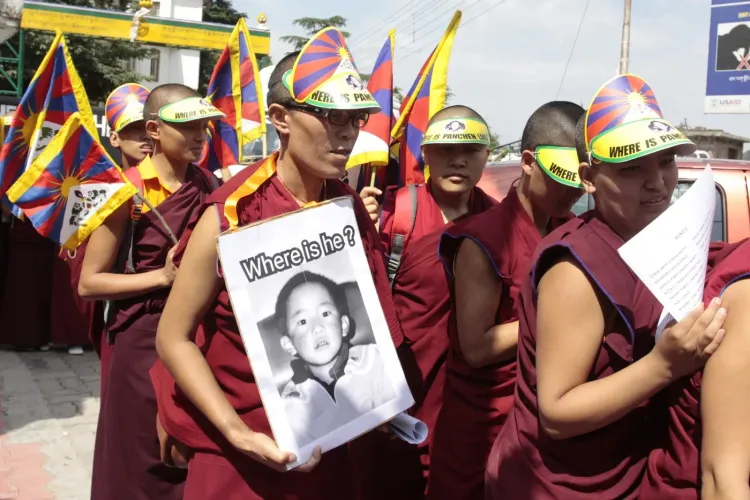
In May, the International Campaign for Tibet (ICT) joined Tibetan Buddhists and Tibet supporters worldwide in calling on the Chinese Communist Party (CCP) to immediately release the 11th Panchen Lama and restore his rights under both Chinese law and international commitments. ICT President Tencho Gyatso said: 'On May 17, we mark a tragic day in Tibetan history, when the Chinese government stole a venerated religious leader — a six-year-old boy — from us. The CCP continues to hold him and his family to this day.' Gyatso also urged President Trump, Secretary Rubio, and other international leaders to press President Xi and Chinese officials to end their interference in Tibetan cultural and religious practices.
Broader Implications
The case is widely cited by human rights organisations as emblematic of Beijing's broader strategy of controlling Tibetan religious institutions from within. Notably, China's installation of a state-approved Panchen Lama sets a precedent that observers warn could extend to the eventual succession of the Dalai Lama himself. The episode also illustrates the fragility of negotiated understandings between Dharamshala and Beijing when spiritual legitimacy conflicts with state authority. The international community continues to await any credible, independent confirmation of Gedhun Choekyi Nyima's wellbeing.
Point of View
Raising serious questions about whether diplomatic appeals alone can shift Chinese behaviour. Most consequentially, the precedent now hangs directly over the Dalai Lama's succession: if Beijing controlled the Panchen Lama's reincarnation, it will attempt to control the next Dalai Lama's too — and the world's response to the 1995 abduction suggests it may again look away.
NationPress
13 Aug 2026
Frequently Asked Questions
Who is the 11th Panchen Lama and what happened to him?
The 11th Panchen Lama is Gedhun Choekyi Nyima , recognised by the Dalai Lama in May 1995 at the age of six. Three days after the announcement, he and his family were taken into Chinese custody and his whereabouts have remained unknown for over 30 years .
Why did China reject the Dalai Lama's recognition of the Panchen Lama?
China initially agreed to a joint search process but reversed course after the Dalai Lama made the formal announcement, declaring it 'illegal.' Beijing then installed its own candidate, Gyaincain Norbu , asserting state authority over the religious succession — a move analysts describe as prioritising political control over established Tibetan Buddhist tradition.
Who was Chadrel Rinpoche and what role did he play?
Chadrel Rinpoche was the respected abbot of Tashilhunpo Monastery , appointed by China to head the search committee for the reincarnation. He identified Gedhun Choekyi Nyima as the rightful candidate and informed the Dalai Lama , a decision that reportedly led to his own subsequent persecution by Chinese authorities.
What is the International Campaign for Tibet calling for?
The International Campaign for Tibet (ICT) has urged the Chinese Communist Party (CCP) to immediately release Gedhun Choekyi Nyima and restore his rights under Chinese law and international commitments. ICT President Tencho Gyatso has also called on President Trump and Secretary Rubio to press President Xi directly on the matter.
Why does the Panchen Lama case matter beyond Tibet?
The case is widely seen as a precedent for China 's broader strategy of controlling Tibetan Buddhist institutions, with direct implications for the future succession of the Dalai Lama . Human rights organisations argue it also tests the credibility of China 's commitments to international law and religious freedom more broadly.