CM Bhajan Lal joins Jal Pujan, discusses Bandh Baretha Dam expansion
Synopsis
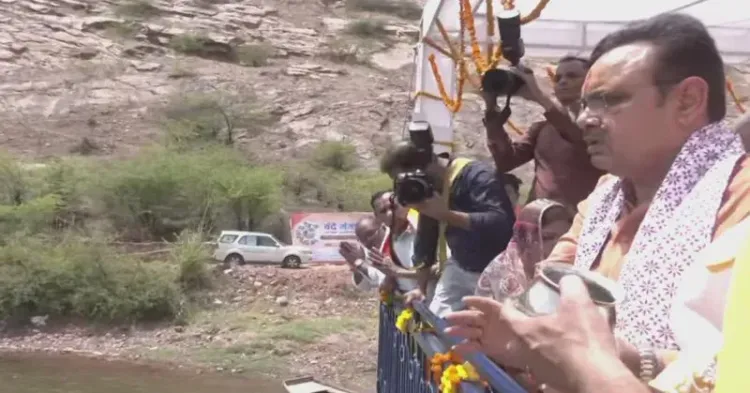
Rajasthan Chief Minister Bhajan Lal Sharma attended a live Jal Pujan ceremony on 25 May 2026 and discussed the expansion of Bandh Baretha Dam in Bharatpur, highlighting the state government's push to upgrade irrigation infrastructure in eastern Rajasthan.
Key Takeaways
CM Bhajan Lal Sharma participated in a Jal Pujan ceremony and live discussion on Bandh Baretha Dam expansion on 25 May 2026 .
The event was held in Bharatpur , eastern Rajasthan, and streamed live on the CM's official X account.
Bandh Baretha Dam is a key irrigation and water storage asset serving agricultural communities in Bharatpur district .
Rajasthan has pursued dam rehabilitation and capacity expansion under state irrigation plans since the early 2000s.
Farmers and agricultural communities in Bharatpur stand to benefit most from any increase in the dam's storage capacity.
Rollout timelines and funding details for the expansion are awaited following the discussions.
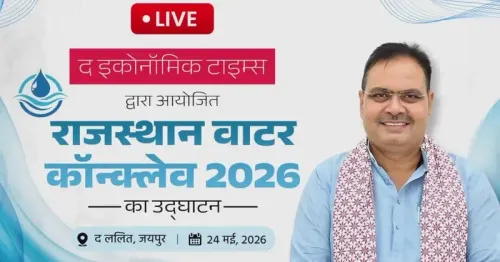
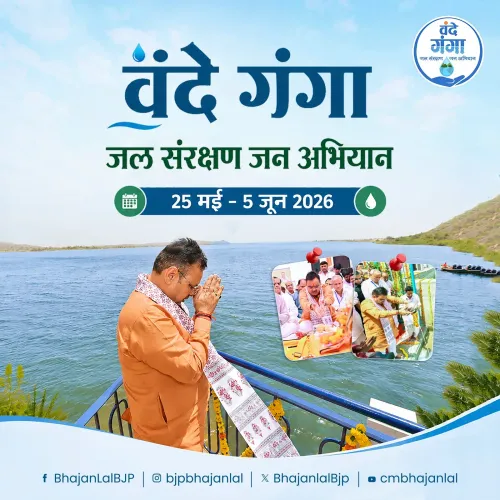
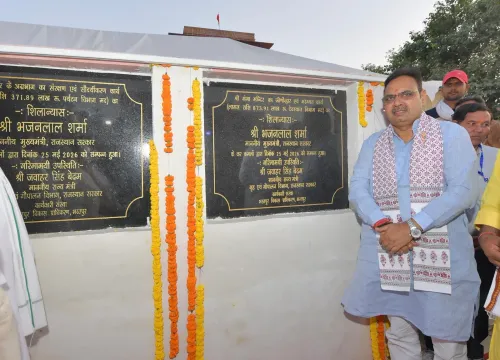
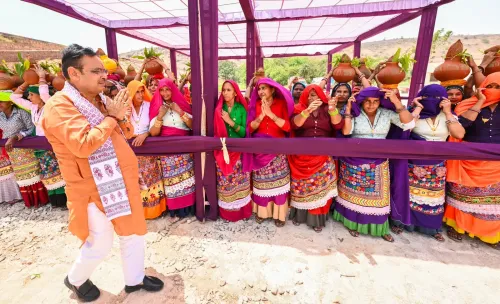
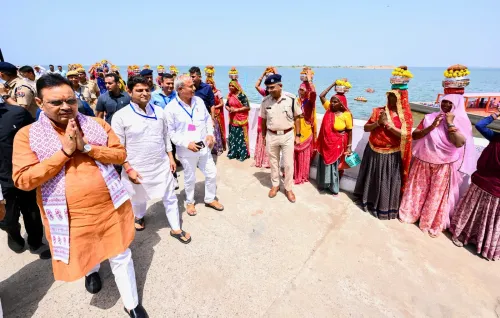
Rajasthan Chief Minister Bhajan Lal Sharma participated in a live Jal Pujan (water worship) ceremony and held discussions on the proposed expansion of Bandh Baretha Dam in Bharatpur on Monday, 25 May 2026. The event, streamed live on his official X account, signals renewed state attention to one of eastern Rajasthan's key irrigation assets.
Context
The Jal Pujan is a traditional ceremony marking the commencement or recommitment to a water-related infrastructure initiative. CM Sharma broadcast the event live, underscoring the administration's intent to keep the public informed about ongoing irrigation projects. Bandh Baretha Dam, located in Bharatpur district, is a significant water storage structure that supports agriculture across the semi-arid eastern belt of Rajasthan.
Policy Backdrop
Rajasthan governments have pursued dam rehabilitation and capacity expansion under successive state irrigation plans since the early 2000s. The focus on upgrading existing infrastructure rather than building entirely new structures reflects both budgetary pragmatism and the urgency of addressing water scarcity in districts like Bharatpur. Expanding the storage and distribution capacity of dams such as Bandh Baretha is central to the state's broader strategy for semi-arid water management.
The BJP-led government under CM Sharma, which assumed office in December 2023, has positioned irrigation modernisation as a priority alongside rural development. Dam expansion projects directly align with the administration's stated commitment to improving agricultural outcomes for farming communities in Rajasthan's eastern districts.
Stakeholders and Impact
The primary beneficiaries of a Bandh Baretha Dam expansion would be farmers and agricultural communities in and around Bharatpur, who depend on the reservoir for irrigation water during dry seasons. Enhanced storage capacity could reduce vulnerability to erratic monsoon patterns that frequently disrupt crop cycles in the region. Local communities also rely on the dam for drinking water supply and livestock needs.
Broader regional stakeholders include district administration bodies responsible for water allocation, and state agriculture departments that coordinate cropping calendars around available irrigation. Any increase in the dam's capacity would have downstream effects on land productivity and rural incomes across the catchment area.
What's Next
The discussions held during the 25 May event are expected to feed into formal project planning, including rollout timelines and funding allocations for the Bandh Baretha expansion. Observers will watch for official announcements detailing the scope of the expansion, the projected increase in water storage capacity, and the financial outlay involved. The state government's ability to move from ceremonial commitment to ground-level execution will be the key measure of progress for farming communities in Bharatpur.
Point of View
Visible engagement with irrigation projects in agriculturally dependent districts like Bharatpur serves both developmental and electoral purposes. The Bandh Baretha expansion, if it moves to execution, would fit into a broader Rajasthan pattern of upgrading existing water infrastructure rather than pursuing costly greenfield projects. The real test will be whether the ceremonial momentum translates into budgeted, time-bound project delivery.
NationPress
19 Sept 2026
Frequently Asked Questions
What is Bandh Baretha Dam and where is it located?
Bandh Baretha Dam is a major irrigation reservoir located in Bharatpur district in eastern Rajasthan. It serves as a critical water storage facility for agricultural and drinking water needs in the surrounding region.
Why is Bandh Baretha Dam being expanded?
The expansion is aimed at increasing water storage and distribution capacity to better support farming communities in semi-arid Bharatpur district, where agriculture is vulnerable to erratic monsoon patterns and seasonal water scarcity.
Who is Bhajan Lal Sharma?
Bhajan Lal Sharma is the Chief Minister of Rajasthan and a BJP leader who assumed office in December 2023. He has prioritised irrigation modernisation and rural development as key planks of his administration.
What will be the impact of the Bandh Baretha Dam expansion on farmers?
An expanded dam would provide greater irrigation water availability during dry seasons, potentially improving crop yields, reducing dependence on erratic monsoon rainfall, and supporting rural livelihoods in Bharatpur and surrounding areas.