CM Bhajan Lal Urges Rajasthan Voters for Phase 4 Panchayat Polls
Synopsis
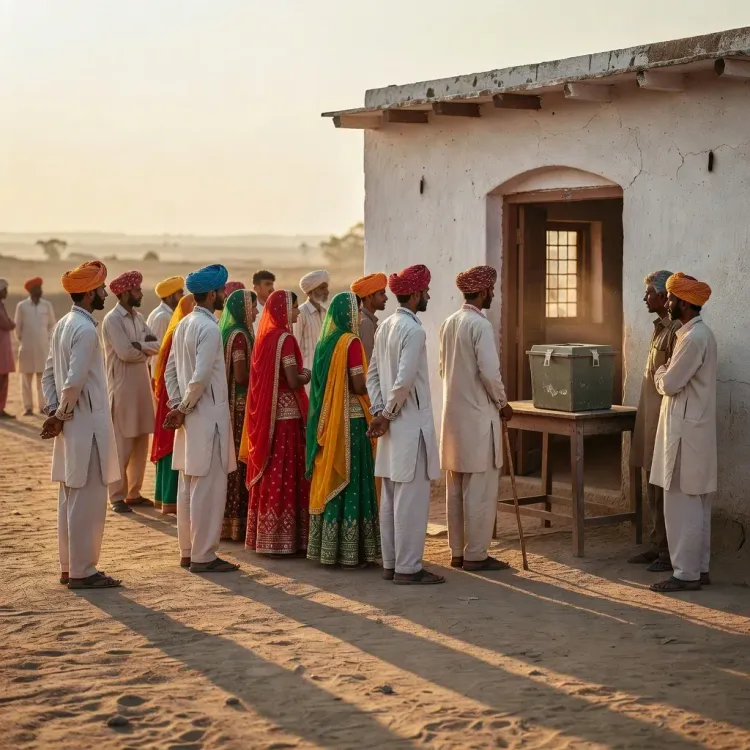
Rajasthan Chief Minister Bhajan Lal Sharma has appealed to voters, especially youth, to cast their ballots in Phase 4 of the state panchayat elections, covering Zila Parishad and Panchayat Samiti seats, calling it a festival of democracy.
Key Takeaways
Phase 4 of Rajasthan panchayat elections is underway, covering Zila Parishad and Panchayat Samiti member seats.
CM Bhajan Lal Sharma posted a public appeal on 14 November 2026 urging full voter participation.
He specifically called on youth voters to vote and encourage others in their families and social circles.
Panchayati Raj institutions draw their constitutional mandate from the 73rd Constitutional Amendment Act of 1992 .
Elected bodies determine rural development, public services, and local welfare delivery for millions of Rajasthan 's rural residents.
Results from Phase 4 will shape new Zila Parishad and Panchayat Samiti leadership across the state.
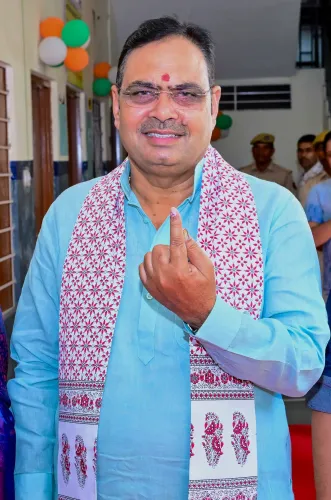
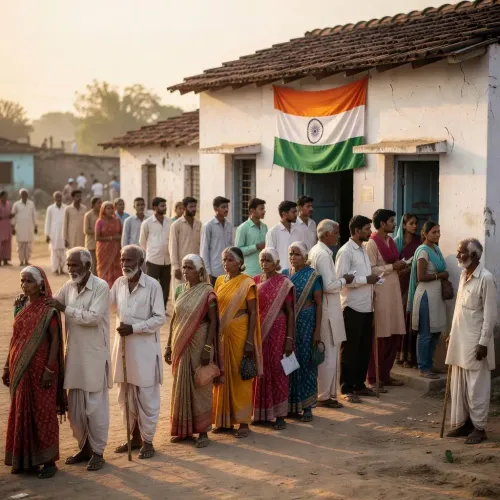
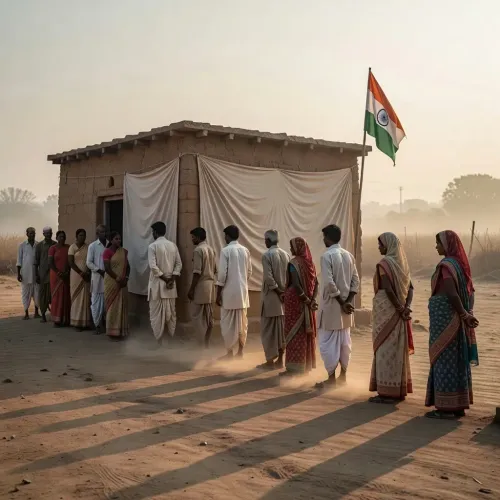
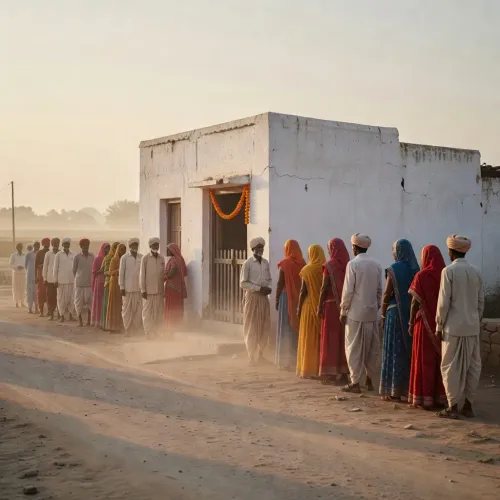
Democracy reaches its most local address today. Rajasthan Chief Minister Bhajan Lal Sharma on Saturday, 14 November 2026 issued a public appeal urging every voter in the state to step out and cast their ballot in the fourth phase of the ongoing Rajasthan Panchayat Elections, covering seats for Zila Parishad and Panchayat Samiti members.
Posting in Hindi, the Chief Minister called the exercise a 'loktantra ka parv' — 'a festival of democracy' — and said every vote matters. 'The selection of local representatives determines the direction of rural development, the expansion of public services, and the resolution of local needs,' Sharma wrote, urging citizens to participate with enthusiasm and responsibility. He made a pointed appeal to youth voters specifically, asking them not only to vote but to motivate family members and acquaintances to do the same.
What Zila Parishad and Panchayat Samiti Elections Actually Decide
These are not ceremonial polls. The 73rd Constitutional Amendment Act of 1992 gave Panchayati Raj institutions a direct constitutional mandate, embedding local self-governance into the fabric of Indian democracy. Zila Parishad members operate at the district level, while Panchayat Samiti members function at the block level — together they govern the last-mile delivery of rural infrastructure, public health, sanitation, and welfare schemes for millions of Rajasthan's rural residents. The Rajasthan Panchayati Raj Act governs how these elections are conducted, with phases spread across the state's vast geography to manage logistics and security. The phased structure — now in its fourth round — reflects both the scale of the exercise and the state's commitment to ensuring participation from remote constituencies.Why Youth Turnout Is the Variable to Watch
Sharma's direct address to young voters is deliberate. First-time and young voters represent an expanding share of Rajasthan's electorate, and their engagement in grassroots elections — historically lower than in Lok Sabha or Vidhan Sabha contests — is seen as a key indicator of democratic health at the village level. When young voters connect with local governance, the downstream effect is more accountable panchayats and stronger pressure on elected representatives to deliver. High turnout in panchayat elections also signals the legitimacy of the winning body, giving newly elected Zila Parishad and Panchayat Samiti members a stronger mandate to push for local development priorities. With the fourth phase now underway, attention will next shift to results and to whether rural Rajasthan returns a mandate that reshapes the leadership of its district and block bodies.Point of View
The CM signals an intent to build local governance credibility — the bedrock on which state-level electoral narratives are constructed. High rural turnout in panchayat elections historically correlates with greater accountability demands on local representatives, which can either benefit or challenge the ruling party's block-level networks. The appeal also reflects the constitutional weight Panchayati Raj carries: these elections are not political theatre but the operational layer of India's decentralisation architecture.
NationPress
14 Nov 2026
Frequently Asked Questions
What is the Phase 4 Rajasthan panchayat election about?
Phase 4 of the Rajasthan panchayat elections involves voting for Zila Parishad and Panchayat Samiti members — district and block-level elected representatives who govern rural development and public services.
Who is Bhajan Lal Sharma?
Bhajan Lal Sharma is the Chief Minister of Rajasthan and a senior BJP leader who took office in December 2023 after the party's victory in the Rajasthan Vidhan Sabha elections.
What do Zila Parishad and Panchayat Samiti members do?
Zila Parishad members govern at the district level while Panchayat Samiti members work at the block level, together overseeing rural infrastructure, welfare scheme delivery, sanitation, and local public needs.
What is the constitutional basis for panchayat elections in India?
The 73rd Constitutional Amendment Act of 1992 enshrined Panchayati Raj institutions in the Indian Constitution, mandating elected local self-government bodies in rural areas across all states.
Why are youth voters important in panchayat elections?
Youth voters are a growing share of the electorate, and their engagement in local elections — traditionally lower than in state or national polls — is seen as critical to strengthening accountability in grassroots governance.