CM Bhajan Lal meets Banswara BJP workers, eyes panchayat polls
Synopsis
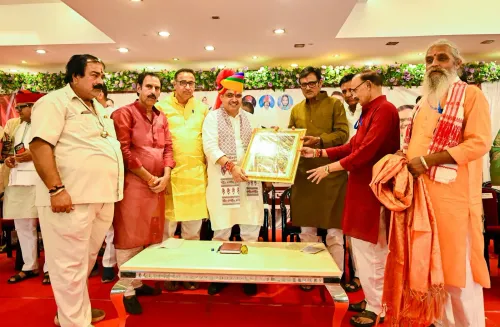
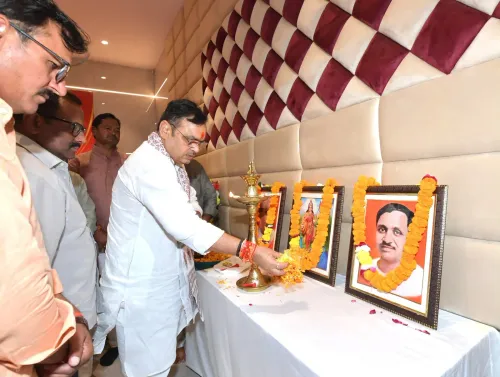
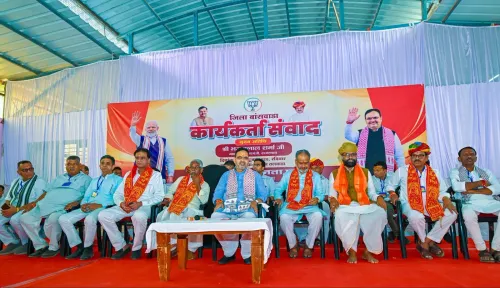
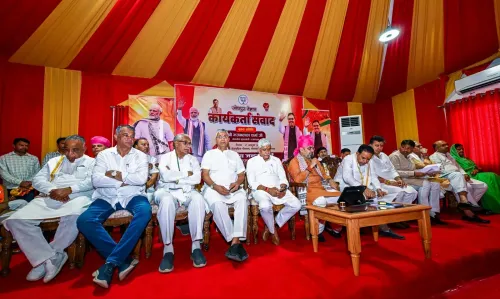
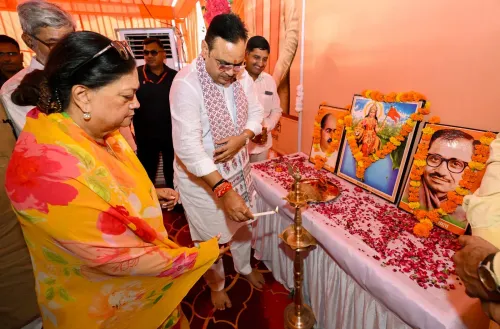
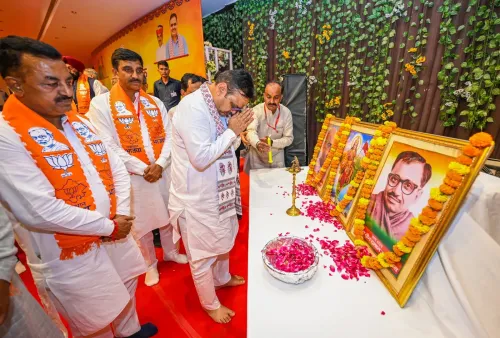
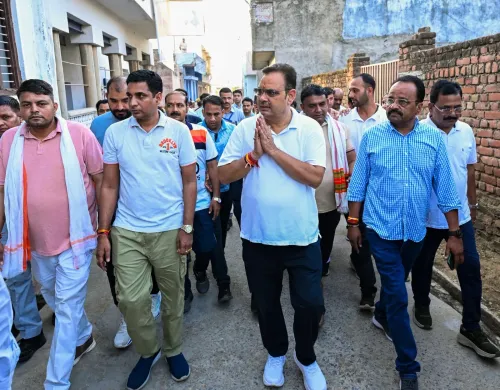
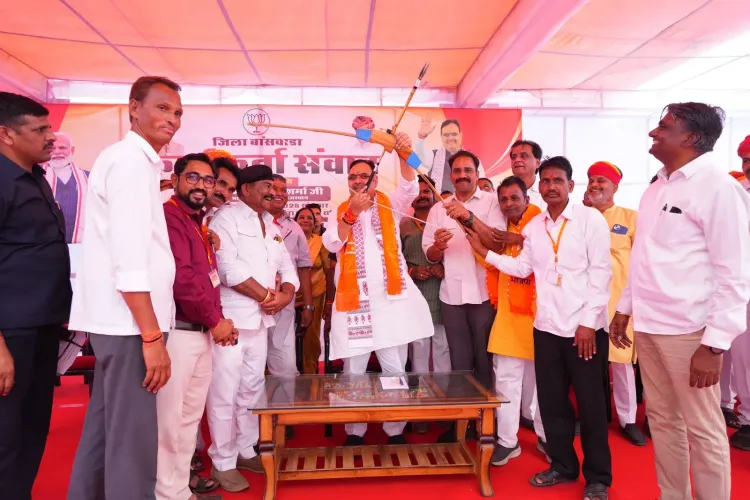
Chief Minister Bhajan Lal Sharma visited Banswara on 26 October 2026 to meet BJP grassroots workers, reviewing gram panchayat election preparations and organisational strength in the ST-heavy southern Rajasthan district.
Key Takeaways
CM Bhajan Lal Sharma held a cadre meeting in Banswara on 26 October 2026 focused on gram panchayat election readiness.
The meeting covered two agendas: panchayat poll preparations and structural strengthening of the local BJP unit.
Banswara is a Scheduled Tribe-reserved Lok Sabha constituency in southern Rajasthan, making it strategically important for the BJP's tribal outreach.
The CM credited ground-level workers as the 'real strength' of the organisation and emphasised their role in spreading the party's public-welfare message.
The BJP's post-assembly-win pattern of district-level organisational reviews is consistent with its approach since its December 2023 Rajasthan victory.
Official gram panchayat election date notifications remain the key next milestone to watch.
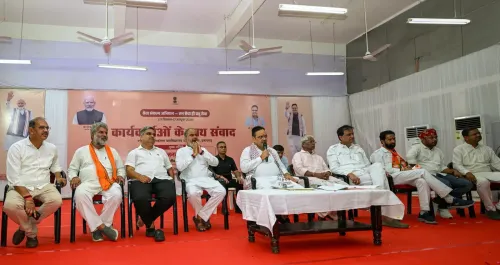
With gram panchayat elections on the horizon, Rajasthan Chief Minister Bhajan Lal Sharma travelled to Banswara on Monday, 26 October 2026, for a closed-door sit-down with the district's grassroots BJP workers — a signal that the party is moving from governance mode into full organisational gear.
What Bhajan Lal told the Banswara cadre
Speaking to workers he described as 'karmatha, nishthavan evam samarpit' (hardworking, loyal, and dedicated), the Chief Minister centred the meeting on two agenda items: readiness for the upcoming gram panchayat elections and the structural strengthening of the party unit. 'The real strength of the organisation is our ground-level workers,' he said, 'whose tireless effort, resolve for public service, and unshakeable faith continuously empower the organisation.' Elected representatives and senior party functionaries were also present at the event.
Banswara's weight in BJP's tribal outreach
Banswara sits in southern Rajasthan and carries a large Scheduled Tribe population — making it a strategically sensitive district for any party seeking deep rural penetration. The Banswara Lok Sabha seat is ST-reserved, and panchayat-level organisation here directly feeds into the BJP's broader tribal-belt ambitions. A strong gram panchayat showing in this belt would reinforce the gains the party consolidated during its December 2023 assembly election victory.
Panchayat polls as the BJP's rural proving ground
In Rajasthan, gram panchayat elections have historically functioned as the primary mobilisation and recruitment layer for state parties. After each assembly win, the BJP state unit — BJP4Rajasthan — has followed a consistent playbook: district-level cadre reviews, booth-level restructuring, and an early lock-in of local aspirants before formal poll notifications arrive. Monday's Banswara meeting fits squarely into that pattern. The official notification of gram panchayat election dates remains the next trigger the party machinery is watching.
The Chief Minister's message to workers was explicit: carrying the twin mandates of 'jankalayana aur sushasan' (public welfare and good governance) to every citizen depends on the last-mile worker, not the state capital. That framing — elevating the booth worker above the bureaucrat — is a deliberate motivational pitch ahead of what promises to be a fiercely contested local-body cycle.
Point of View
An area where it has historically faced stiff competition. By framing grassroots workers as the engine of 'good governance,' CM Sharma is also trying to convert a governance narrative into a mobilisation tool — bridging the gap between state-level policy messaging and booth-level voter contact. The timing, well ahead of formal poll notifications, suggests the BJP is determined not to be caught flat-footed at the local-body level as it was in previous cycles.
NationPress
26 Oct 2026
Frequently Asked Questions
Why did CM Bhajan Lal Sharma visit Banswara on 26 October 2026?
He visited to meet BJP district workers for a closed-door meeting focused on gram panchayat election preparations and strengthening the party's grassroots organisation in Banswara.
When are the Rajasthan gram panchayat elections?
Official dates for the Rajasthan gram panchayat elections have not yet been announced; the formal notification is the key trigger both the party machinery and election observers are awaiting.
Why is Banswara important for the BJP in Rajasthan?
Banswara is a Scheduled Tribe-reserved Lok Sabha constituency in southern Rajasthan with a large tribal population, making strong panchayat-level organisation there central to the BJP's tribal-belt electoral strategy.
What did Bhajan Lal Sharma say about BJP workers?
He described the ground-level workers as the 'real strength' of the organisation and said their tireless effort and resolve for public service continuously empower the party.
What is BJP4Rajasthan's strategy for panchayat elections?
Following its December 2023 assembly victory, the BJP state unit has been conducting district-level cadre reviews, booth-level restructuring, and early lock-in of local aspirants — a pattern consistent with how the party has prepared for local body polls after previous state wins.