CM Bhajan Lal flags SVANidhi, AMRUT gains in Rajasthan
Synopsis
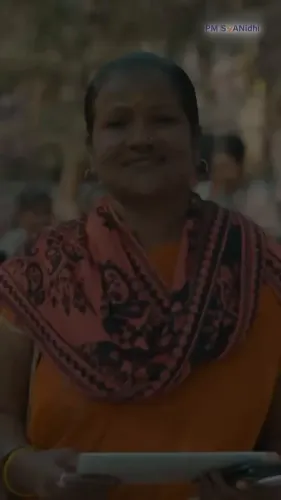
The Rajasthan Chief Minister's Office on 25 June 2026 spotlighted PM SVANidhi's micro-credit reach among street vendors and AMRUT's delivery of clean water, sewerage, and parks in urban areas, reinforcing the state's alignment with central welfare schemes under CM Bhajan Lal Sharma.
Key Takeaways
PM SVANidhi provides collateral-free working capital loans of up to Rs 50,000 to street vendors, launched in June 2020 under the Atmanirbhar Bharat package.
AMRUT , first launched in 2015 and renewed as AMRUT 2.0 in 2021 , funds clean water supply, sewerage connections, and parks in statutory towns.
The Rajasthan CMO post tagged Chief Minister Bhajan Lal Sharma and used the hashtag #AapnoAgraniRajasthan , signalling a state branding push around scheme delivery.
Rajasthan has been under BJP rule since December 2023 , and the state government has consistently publicised implementation of centrally sponsored urban programmes.
Key beneficiaries include urban street vendors seeking formal credit access and urban households requiring piped water and sewerage infrastructure.
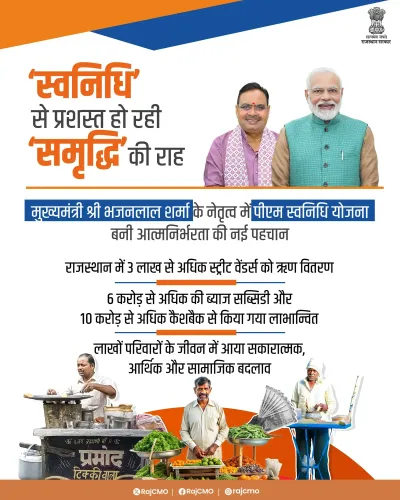
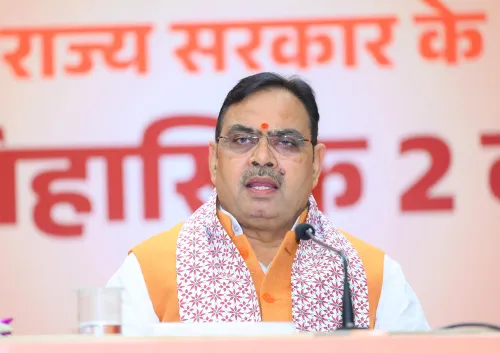
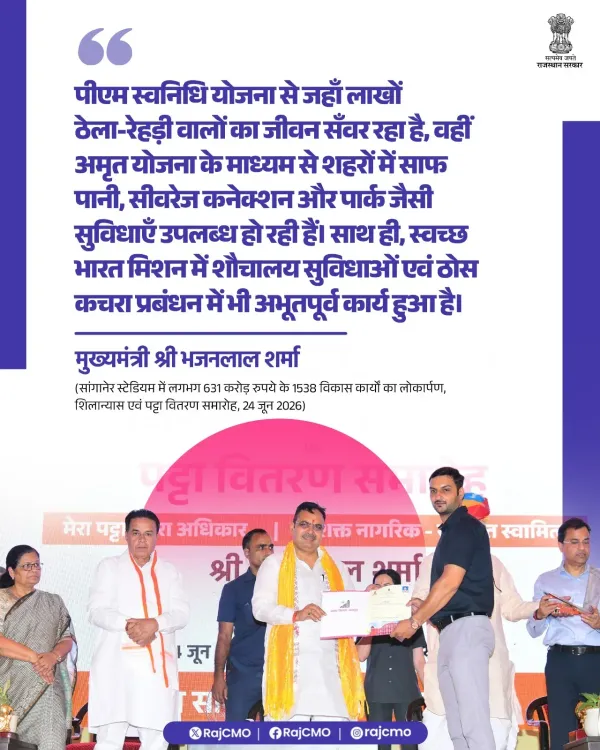
The Chief Minister's Office of Rajasthan highlighted on Thursday, 25 June 2026 the on-ground impact of two central government schemes — PM SVANidhi and AMRUT — crediting them with improving livelihoods for street vendors and expanding urban infrastructure across the state, in a post tagging Chief Minister Bhajan Lal Sharma.
Context
The CMO's post, shared in Hindi, stated: 'PM SVANidhi yojana se jahan lakhon thela-rehdi walon ka jeevan sanwar raha hai' — 'Where the PM SVANidhi scheme is transforming the lives of lakhs of street vendors' — and noted that AMRUT is simultaneously delivering clean water, sewerage connections, and parks to urban residents. The message carried the hashtag #AapnoAgraniRajasthan ('Our Leading Rajasthan'), a branding line used by the state government to signal development momentum.
The dual mention of schemes signals the state government's intent to publicise visible, on-ground delivery of centrally sponsored programmes under the current BJP administration, which took office in December 2023.
Policy Backdrop
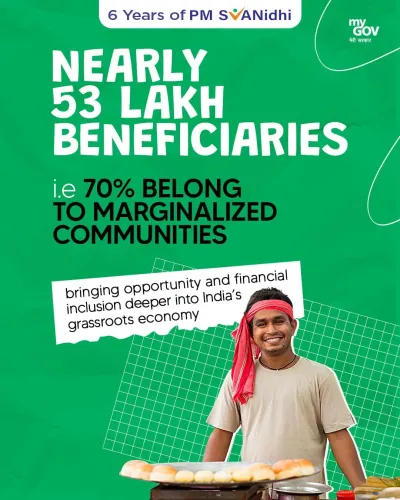
PM SVANidhi — the Pradhan Mantri Street Vendor's AtmaNirbhar Nidhi — was launched in June 2020 as part of the Atmanirbhar Bharat package. It offers collateral-free working capital loans of up to Rs 50,000 to street vendors, aiming to formalise informal livelihoods disrupted during the pandemic.
AMRUT — the Atal Mission for Rejuvenation and Urban Transformation — was first launched in 2015 by the Union Ministry of Housing and Urban Affairs, targeting water supply, sewerage, and green spaces in statutory towns. It was renewed and expanded as AMRUT 2.0 in 2021, broadening its scope to all statutory towns across India. Rajasthan, with several large urban centres, is among the states where both schemes are being actively implemented.
Stakeholders and Impact
The primary beneficiaries of PM SVANidhi are street vendors — thela-rehdi walon (push-cart and roadside stall operators) — who have historically lacked access to formal credit. The scheme's micro-loan structure is designed to enable them to rebuild working capital and graduate to higher credit tiers over successive loan cycles.
Urban households stand to benefit from AMRUT's infrastructure push, particularly in smaller cities and towns where piped water supply and functional sewerage networks remain incomplete. Parks and green spaces under the mission also address quality-of-life gaps in rapidly urbanising areas of Rajasthan.
What's Next
Analysts tracking Rajasthan's urban governance will watch for state-level utilisation certificates and physical progress reports under both AMRUT 2.0 and PM SVANidhi for the 2025-26 fiscal year. Any supplementary urban local body reforms or budget allocations tied to these schemes in upcoming state budgets will indicate how deeply the state is co-investing alongside central funding.
The CMO's messaging pattern — framing central schemes as evidence of cooperative federalism — is likely to continue as Rajasthan positions itself as a high-performing state in national scheme implementation rankings.
Point of View
The communication team is deliberately bridging informal-economy welfare and urban infrastructure, two distinct voter constituencies. This dual framing serves a political purpose: it positions the state government as an active implementer rather than a passive conduit of Union funds. The broader arc points to competitive federalism in scheme optics, where states race to publish beneficiary narratives ahead of local body elections and budget cycles.
NationPress
25 Jun 2026
Frequently Asked Questions
What is PM SVANidhi scheme and who benefits from it?
PM SVANidhi — Pradhan Mantri Street Vendor's AtmaNirbhar Nidhi — is a central government micro-credit scheme launched in June 2020 that provides collateral-free working capital loans of up to Rs 50,000 to street vendors such as push-cart operators and roadside stall owners.
What is the AMRUT scheme and what does it provide?
AMRUT (Atal Mission for Rejuvenation and Urban Transformation) was launched in 2015 and renewed as AMRUT 2.0 in 2021; it funds clean water supply, sewerage connections, and parks in statutory towns across India.
Is AMRUT 2.0 being implemented in Rajasthan?
Yes, Rajasthan is among the states where AMRUT 2.0 is being actively implemented, with the state government under Chief Minister Bhajan Lal Sharma publicising its progress in urban water and sanitation infrastructure.
Who is Bhajan Lal Sharma?
Bhajan Lal Sharma is a BJP politician who has served as Chief Minister of Rajasthan since December 2023, following the party's victory in the state assembly elections.
What does #AapnoAgraniRajasthan mean?
'AapnoAgraniRajasthan' is a Hindi-Rajasthani phrase meaning 'Our Leading Rajasthan,' used by the state government as a branding hashtag to highlight development and welfare achievements in the state.