CM Bhajan Lal Reviews SC/ST Atrocities Act in Rajasthan

Synopsis
Rajasthan Chief Minister Bhajan Lal Sharma on 21 July 2026 chaired the state-level SC/ST (Prevention of Atrocities) Act vigilance committee, directing officials to ensure sensitivity, speed, and impartiality in every case and reaffirming the government's commitment to social justice for SC and ST communities.
Key Takeaways
Rajasthan CM Bhajan Lal Sharma chaired the state-level vigilance and monitoring committee meeting under the SC/ST (Prevention of Atrocities) Act on 21 July 2026 .
The meeting reviewed effective implementation of the Act, status of pending cases, and progress on victim relief and rehabilitation.
Officials were directed to ensure sensitivity, swift action, and impartial investigation in every registered atrocity case.
The SC/ST (Prevention of Atrocities) Act, 1989 , amended in 2015 , mandates quarterly state-level vigilance committee meetings to oversee case disposal and victim relief.
Protection, dignity, and welfare of Scheduled Caste and Scheduled Tribe communities was declared the government's highest priority.
Independent verification of the claimed reduction in atrocity cases will depend on forthcoming NCRB annual crime statistics.
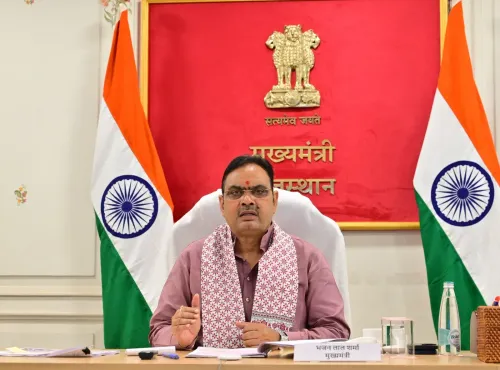
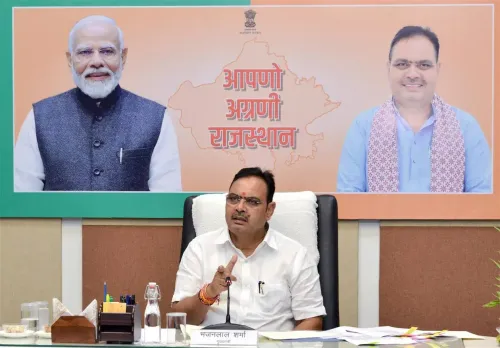
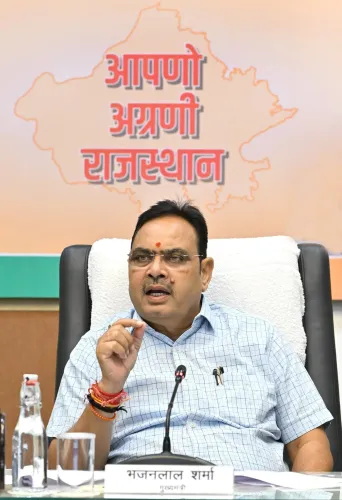
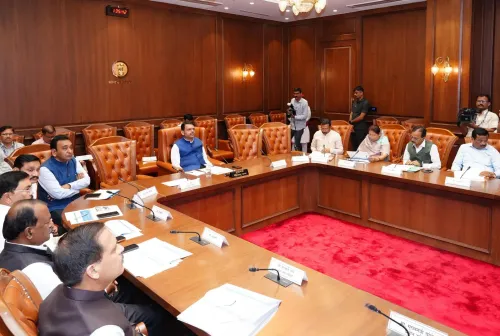
Rajasthan Chief Minister Bhajan Lal Sharma on Tuesday, 21 July 2026, chaired the state-level vigilance and monitoring committee meeting convened under the Scheduled Castes and Scheduled Tribes (Prevention of Atrocities) Act, directing officials to ensure sensitivity, swift action, and impartial investigation in every registered case so that victims receive time-bound justice, relief, and rehabilitation.
Context
Posting on X, Sharma stated — 'प्रत्येक प्रकरण में संवेदनशीलता, त्वरित कार्रवाई और निष्पक्ष जांच सुनिश्चित की जाए' ['Sensitivity, swift action and impartial investigation must be ensured in every case'] — and reaffirmed that the protection, dignity, and welfare of Scheduled Caste and Scheduled Tribe communities is the government's 'highest priority'. He also noted that state efforts have contributed to a 'notable reduction' in atrocity cases, though this claim is as yet unverified by independent data.
The meeting reviewed the effective implementation of the Act, the status of pending cases, and progress on delivering time-bound justice and rehabilitation to victims — the core mandate of such quarterly reviews.
Policy Backdrop
The SC/ST (Prevention of Atrocities) Act, 1989 is a central law that obligates every state to constitute and convene state-level vigilance and monitoring committees to oversee case disposal, victim relief, and rehabilitation. A significant 2015 amendment expanded the list of cognisable offences and strengthened relief provisions for victims.
Under the Act's framework, states are required to hold these committee meetings on a quarterly basis. The meetings serve as the primary administrative mechanism through which chief ministers and senior officials track the pace of investigation, prosecution, and compensation disbursal in atrocity cases.
Stakeholders and Impact
The most direct beneficiaries of effective implementation are SC and ST communities across Rajasthan, particularly victims of caste-based violence awaiting justice, relief payments, and rehabilitation support. Delayed case disposal and pending relief have historically been the two most cited shortcomings in state-level compliance reviews under the Act.
Officials from the police, judiciary-coordination cells, social justice department, and district administrations are the key implementing agencies whose performance was under review at Tuesday's meeting. Sharma's directive to ensure 'sensitivity' in handling cases signals an administrative push to address procedural lapses at the ground level.
What's Next
The next significant data point will be the National Crime Records Bureau (NCRB) annual crime statistics release, which will provide independently verified figures on registered atrocity cases, charge-sheet rates, and conviction rates in Rajasthan. State-level quarterly reports on pending cases will also be a key indicator of whether Tuesday's directives translate into measurable outcomes.
With the BJP government in Rajasthan having come to power in December 2023, the administration's track record on SC/ST welfare will be a closely watched political and governance benchmark heading into the mid-term of its tenure.
Point of View
But the Chief Minister's personal chairmanship and public post signal a deliberate effort to project the BJP government's social-justice credentials to SC and ST voters in Rajasthan. The directive on 'sensitivity' is notable — it implicitly acknowledges that ground-level handling of atrocity cases has room for improvement, a persistent critique across states regardless of ruling party. The claim of a 'notable reduction' in cases, if borne out by NCRB data, would be a significant governance achievement; if not, it risks becoming a political liability. Broader pattern: state governments across India have increasingly used these mandatory review meetings as communication platforms, blurring the line between administrative oversight and political messaging on Dalit and tribal welfare.
NationPress
21 Jul 2026
Frequently Asked Questions
What is the SC/ST (Prevention of Atrocities) Act?
The Scheduled Castes and Scheduled Tribes (Prevention of Atrocities) Act is a central law enacted in 1989 and amended in 2015 that criminalises caste-based atrocities and mandates states to provide time-bound relief, rehabilitation, and justice to victims. It also requires states to hold quarterly vigilance and monitoring committee meetings to review implementation.
What did Rajasthan CM Bhajan Lal Sharma announce at the SC/ST vigilance meeting?
CM Bhajan Lal Sharma directed officials to ensure sensitivity, swift action, and impartial investigation in every atrocity case. He reviewed pending cases and the progress of victim relief and rehabilitation, and reaffirmed that the welfare and dignity of SC/ST communities is the government's highest priority.
How often are state vigilance committee meetings held under the SC/ST Act?
Under the SC/ST (Prevention of Atrocities) Act, 1989 , states are required to hold state-level vigilance and monitoring committee meetings on a quarterly basis to review case disposal, victim relief, and rehabilitation progress.
Who are the key stakeholders in SC/ST atrocity cases in Rajasthan?
The primary stakeholders are Scheduled Caste and Scheduled Tribe communities and atrocity victims. Implementing agencies include the police, social justice department, district administrations, and judiciary-coordination cells, all of whose performance is reviewed at state vigilance committee meetings.
When did Bhajan Lal Sharma become Chief Minister of Rajasthan?
Bhajan Lal Sharma , a BJP leader, became Chief Minister of Rajasthan in December 2023 after the party won the state assembly elections.