CM Bhajan Lal Sharma Highlights Rural-Urban Service Camps
Synopsis
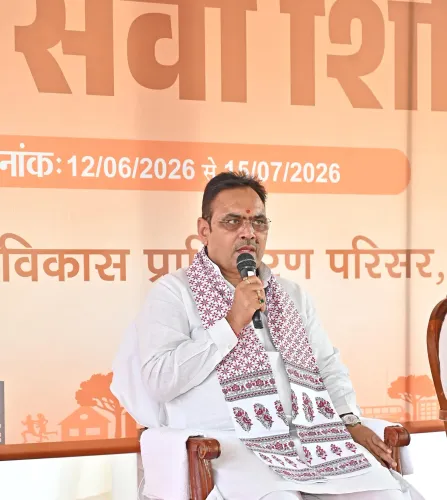
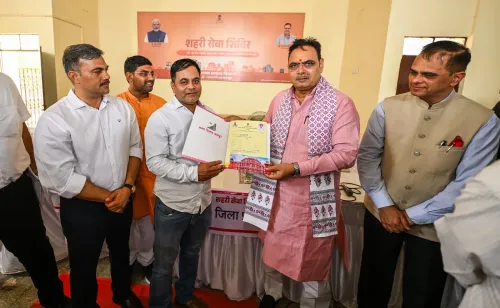
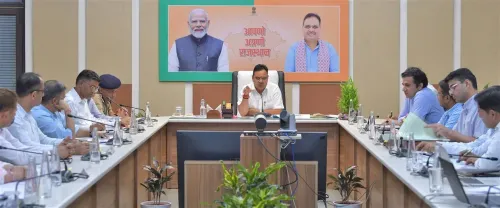
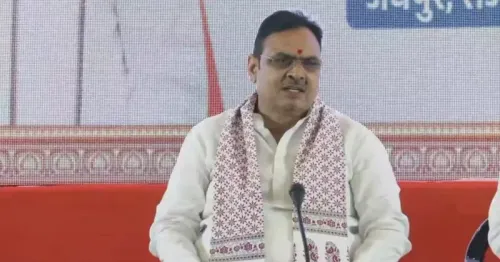
Rajasthan Chief Minister Bhajan Lal Sharma on 24 June 2026 highlighted rural and urban service camps as the cornerstone of his government's good governance model, saying the initiative ensures swift grievance redressal and brings administration to citizens' doorsteps.
Key Takeaways
Rajasthan Chief Minister Bhajan Lal Sharma publicly reaffirmed the government's rural and urban service camp programme on 24 June 2026 .
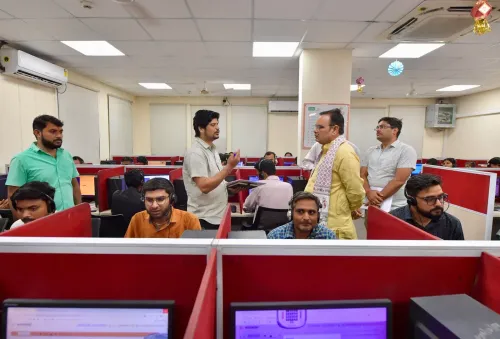
The camps are designed to resolve public grievances swiftly and effectively, without requiring citizens to travel to government offices.
Sharma described reaching citizens at their doorstep and improving family lives as the 'true form of good governance.' The BJP government in Rajasthan has prioritised citizen-centric outreach since assuming office in December 2023 .
Camp-based grievance redressal is part of a broader national pattern of state governments using direct outreach to improve administrative responsiveness.
Official data on camp coverage and resolution rates will be key metrics to watch as the programme continues.
Rajasthan Chief Minister Bhajan Lal Sharma on Wednesday, 24 June 2026, reaffirmed his government's commitment to grassroots governance, stating that rural and urban service camps are being used to ensure swift and effective resolution of public grievances across the state.
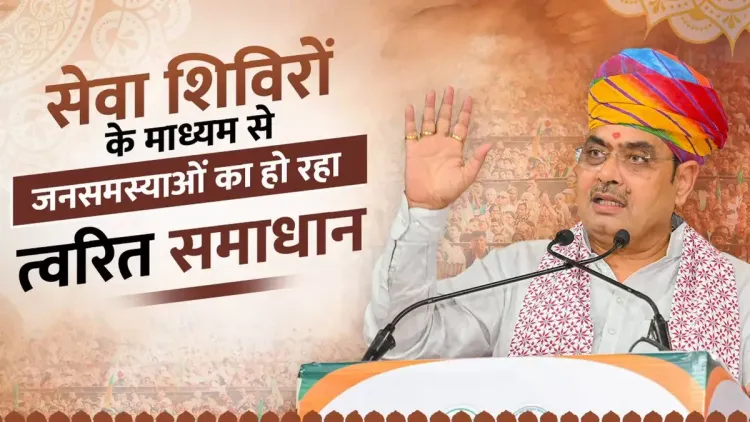
In his post on X, Sharma wrote in Hindi: 'ग्रामीण एवं शहरी सेवा शिविरों के माध्यम से जनसमस्याओं का त्वरित एवं प्रभावी समाधान सुनिश्चित किया जा रहा है' — translating to: 'Through rural and urban service camps, swift and effective resolution of public problems is being ensured.' He added that reaching citizens at their doorstep, fulfilling their expectations, resolving their problems, and improving the life of every family is the 'true form of good governance' of his government.
Context
The BJP government in Rajasthan, which assumed office in December 2023 following state assembly elections, has positioned direct public outreach as a cornerstone of its administrative agenda. Camp-based grievance redressal is one of the visible mechanisms through which the government has sought to operationalise this promise. The Chief Minister's statement signals that this effort is ongoing and being actively championed at the highest level.
Policy Backdrop
Service camps — both rural and urban — are a recurring feature of Indian state administration, used to bring government machinery closer to citizens who may face barriers in accessing formal offices. In Rajasthan, such camps are designed to address a range of public complaints and service requests on the spot, reducing the need for citizens to travel to district headquarters or state offices. The current government has framed this model as central to its vision of su-shasan (good governance).
Since taking charge, Chief Minister Sharma and the BJP state leadership have repeatedly emphasised citizen-centric delivery of services as a departure from what they characterise as the previous administration's approach. The service camp model reflects a broader national trend of state governments using camp-based outreach to demonstrate administrative responsiveness.
Stakeholders and Impact
The primary beneficiaries of these camps are rural and urban citizens of Rajasthan — particularly those in areas with limited access to government offices. Farmers, daily wage workers, and families seeking welfare scheme benefits stand to gain the most from on-ground resolution of their grievances. The initiative also places accountability on district and block-level officials who are required to attend and resolve complaints during such camps.
For the BJP government, the camps serve a dual purpose: administrative delivery and political outreach, reinforcing the party's image as accessible and action-oriented ahead of future electoral cycles.
What's Next
Observers will watch for official data on camp coverage, the number of grievances received and resolved, and whether the government announces a structured expansion of the programme to additional districts or blocks. Any formal policy framework or targets set for these camps will indicate how institutionalised this outreach model becomes within Rajasthan's governance architecture. The Chief Minister's public emphasis on the initiative suggests it will remain a visible plank of the government's communication strategy through 2026.
Point of View
Sharma ties a routine administrative mechanism to a larger ideological brand — one the party has cultivated nationally. The emphasis on doorstep delivery also reflects an awareness that rural and semi-urban voters in Rajasthan respond strongly to visible, tangible governance. Whether the camps translate into measurable improvement in grievance resolution rates will determine how durable this political dividend proves to be.
NationPress
24 Jun 2026
Frequently Asked Questions
What are the rural and urban service camps in Rajasthan?
These are government-organised camps held across rural and urban areas of Rajasthan where officials resolve citizens' complaints and service requests on the spot, reducing the need to visit government offices.
What did Rajasthan CM Bhajan Lal Sharma say about service camps?
On 24 June 2026, CM Bhajan Lal Sharma said that through rural and urban service camps, swift and effective resolution of public problems is being ensured, calling this the true form of good governance.
When did Bhajan Lal Sharma become Chief Minister of Rajasthan?
Bhajan Lal Sharma became Chief Minister of Rajasthan in December 2023 after the BJP won the state assembly elections.
How does Rajasthan's service camp model work?
Officials from various departments are deployed at camp locations in villages and urban wards to hear grievances, process applications, and resolve complaints directly, without citizens needing to travel to district or state offices.
What is su-shasan and why is it significant in Rajasthan politics?
Su-shasan is a Hindi term meaning 'good governance.' The BJP government in Rajasthan has used it as a defining theme of its administration since December 2023, framing citizen outreach programmes like service camps as proof of this commitment.