CM Bhajanlal chairs high-level meet on animal disease control
Synopsis
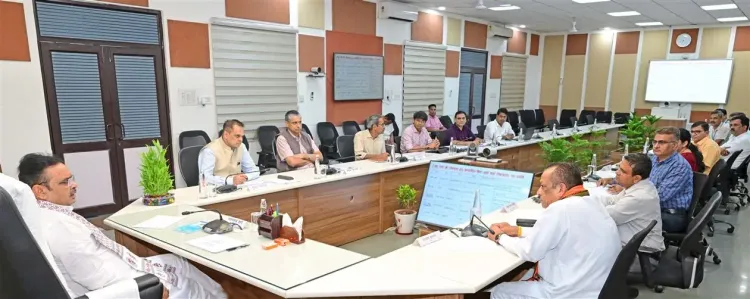
Chief Minister Bhajanlal Sharma chaired a high-level review on animal disease control in Rajasthan on 15 July 2026, directing that all livestock must receive targeted vaccinations and warning that negligence at any level will not be tolerated. Animal Husbandry Minister Joraram Kumawat and Chief Secretary V. Srinivas were present.
Key Takeaways
CM Bhajanlal Sharma chaired a high-level meeting on animal disease control on 15 July 2026 .
The CM directed that no animal in Rajasthan should be excluded from targeted vaccination drives.
He warned that negligence in delivering quality veterinary services would not be tolerated at any level.
Animal Husbandry and Gopalan Minister Joraram Kumawat and Chief Secretary V.
Srinivas attended the meeting.
The review aligns with the central National Animal Disease Control Programme (NADCP) , which targets 100 percent vaccination against foot-and-mouth disease and brucellosis.
Rajasthan has one of India's largest livestock populations, making animal health central to rural household incomes.
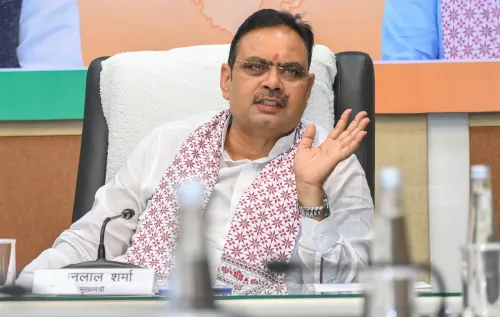
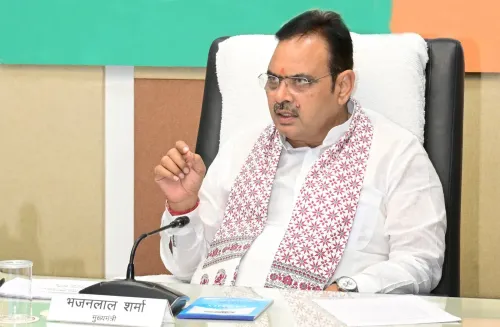
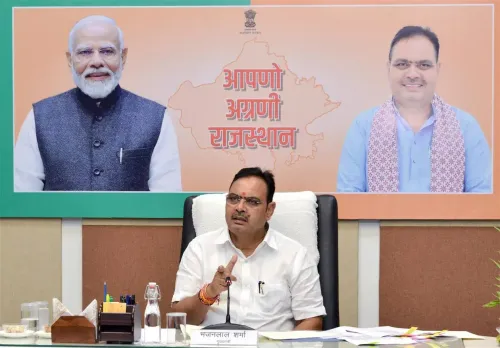
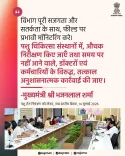
The Chief Minister's Office of Rajasthan announced on Wednesday, 15 July 2026 that Chief Minister Bhajanlal Sharma chaired a high-level review meeting on animal disease control, directing officials to ensure quality veterinary services reach every livestock keeper in the state and warning that lapses at any level would not be tolerated.
Context
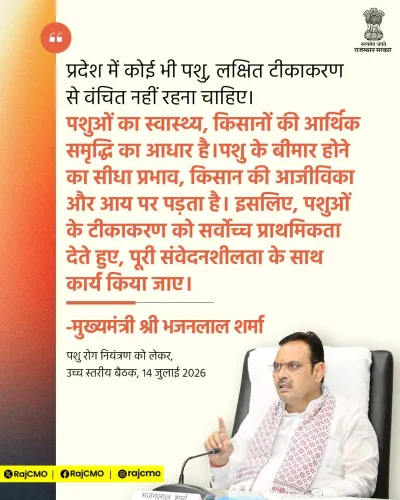
Addressing the meeting, CM Sharma stated in clear terms — 'पशुओं का स्वास्थ्य, किसानों की आर्थिक समृद्धि का आधार है' ('The health of animals is the foundation of farmers' economic prosperity') — and underscored that no animal in the state should be left out of targeted vaccination drives. He further stressed that providing quality services to livestock keepers is a priority of the state government, and negligence would not be accepted at any level.
The meeting was attended by Animal Husbandry and Gopalan Minister Joraram Kumawat, Chief Secretary V. Srinivas, and senior officials from the Chief Minister's Office and the Animal Husbandry Department.
Policy Backdrop
The review aligns with the central government's National Animal Disease Control Programme (NADCP), launched in 2019, which targets 100 percent vaccination coverage against foot-and-mouth disease and brucellosis across India's livestock population. Rajasthan, home to one of the country's largest livestock populations, has been an active participant in this programme.
Following the December 2023 assembly elections, the Bhajanlal Sharma government reiterated commitments to strengthen veterinary infrastructure and livestock insurance schemes as part of its farmer welfare agenda. Wednesday's high-level review reflects the administration's intent to translate those policy commitments into field-level accountability.
Stakeholders and Impact
Livestock keepers, small and marginal farmers, and the dairy sector stand to benefit directly from improved disease control and vaccination coverage. In Rajasthan, animal husbandry contributes substantially to rural household incomes alongside crop agriculture, making livestock health a critical economic variable for millions of families.
Gaps in vaccination coverage have historically led to outbreak-driven losses that disproportionately affect smallholder farmers who lack the resources to absorb sudden livestock deaths or reduced milk yields. The CM's explicit directive against negligence signals an effort to close those gaps through administrative accountability rather than fresh spending alone.
What's Next
Officials and observers will watch for rollout timelines and field-level coverage reports from the next phase of the state's livestock vaccination drive. Any supplementary budget allocations or fresh coordination with central schemes under the NADCP framework are expected to emerge in upcoming legislative sessions.
With CM Sharma personally chairing the review and the Chief Secretary in attendance, the meeting sets a tone of top-down accountability — and the government's follow-through on vaccination targets will be the clearest measure of whether that tone translates into outcomes for Rajasthan's farming communities.
Point of View
Not merely a welfare gesture. This fits a broader BJP pattern in Rajasthan of framing farmer-facing policy through the lens of economic productivity rather than subsidy. The emphasis on zero-exclusion vaccination coverage also positions the state government to claim credit for NADCP outcomes, reinforcing its rural constituency ahead of future electoral cycles. Whether field-level accountability actually improves vaccination reach will depend on the departmental follow-up that this high-profile meeting is designed to compel.
NationPress
15 Jul 2026
Frequently Asked Questions
What was the high-level meeting chaired by CM Bhajanlal Sharma about?
The meeting, held on 15 July 2026, focused on animal disease control in Rajasthan. CM Sharma directed officials to ensure all livestock receive targeted vaccinations and warned that lapses in veterinary service delivery would not be accepted.
Who attended the animal disease control meeting in Rajasthan?
Animal Husbandry and Gopalan Minister Joraram Kumawat, Chief Secretary V. Srinivas, and senior officials from the Chief Minister's Office and the Animal Husbandry Department attended the meeting.
What is the National Animal Disease Control Programme and how does it relate to Rajasthan?
The National Animal Disease Control Programme (NADCP) was launched by the central government in 2019 with a target of 100 percent vaccination coverage against foot-and-mouth disease and brucellosis. Rajasthan, with one of India's largest livestock populations, is an active participant in the programme.
Why is livestock health important for Rajasthan's farmers?
Animal husbandry contributes substantially to rural household incomes in Rajasthan alongside crop agriculture. Disease outbreaks can cause severe financial losses for smallholder farmers who depend on livestock for milk production and livelihoods.
What action did CM Bhajanlal Sharma direct regarding animal vaccination in Rajasthan?
CM Sharma directed that no animal in the state should be left out of targeted vaccination drives, and made clear that providing quality veterinary services to livestock keepers is a priority of the state government.