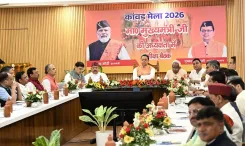
CM Bhajanlal honours Shekhawati industrialists at Yamuna water accord event
Synopsis
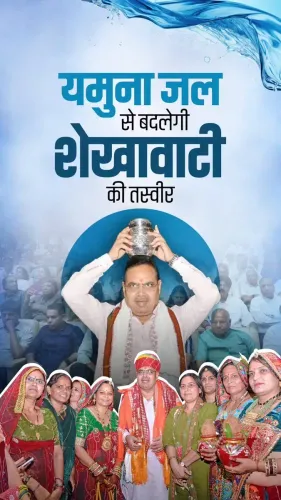
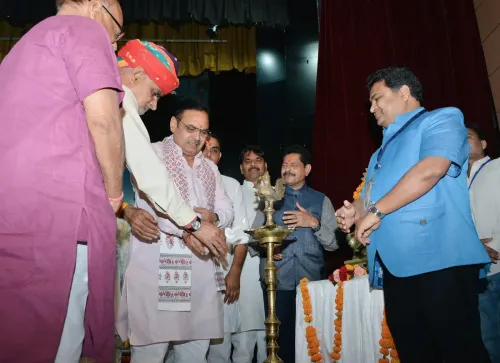
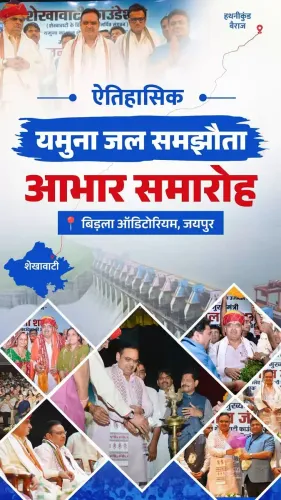
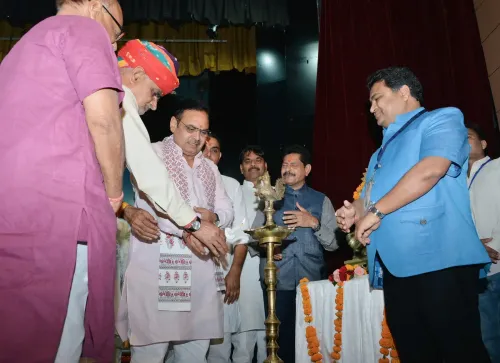
Chief Minister Bhajanlal Sharma addressed a felicitation programme at Birla Auditorium, Jaipur, on 21 July 2026, honouring Shekhawati industrialists and marking the Yamuna Water Accord as a milestone for Rajasthan's water security and regional identity.
Key Takeaways
CM Bhajanlal Sharma addressed the event at Birla Auditorium, Jaipur on 21 July 2026 .
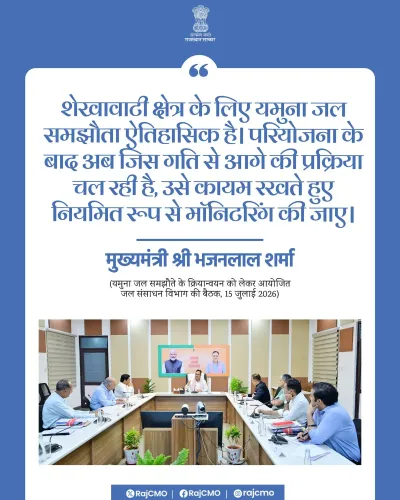
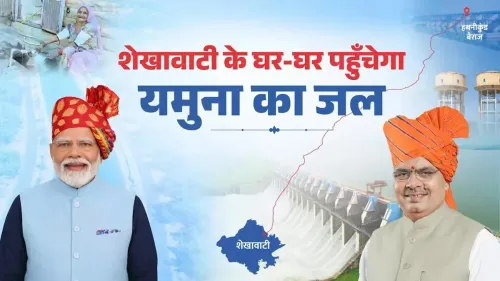
The programme celebrated the Yamuna Jal Samjhauta (Yamuna Water Accord) as a state achievement.
Shekhawati industrialists and business diaspora were felicitated for establishing a distinct national identity for the region.
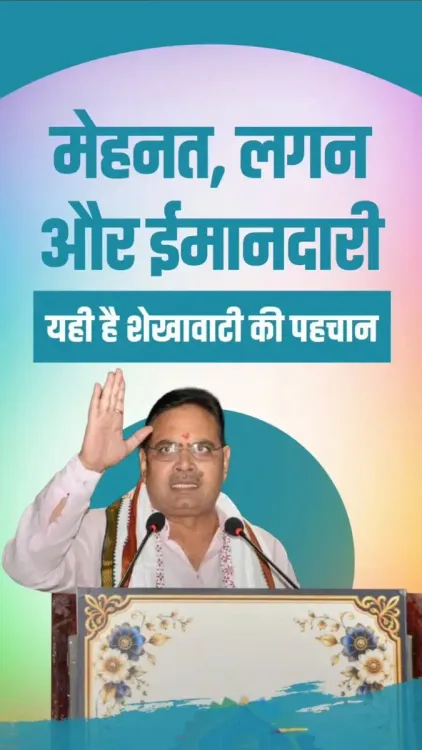
The CM praised the community's mehnat, imandari aur lagan (hard work, honesty, and dedication) in building businesses outside Rajasthan.
The Yamuna water-sharing framework traces its institutional roots to the 1994 inter-state MoU and the Upper Yamuna River Board .
Implementation of water allocation and its impact on northern Rajasthan districts remains the key follow-up watch point.
Chief Minister Bhajanlal Sharma of Rajasthan addressed a felicitation and gratitude programme at Birla Auditorium, Jaipur, on 21 July 2026, organised to mark the achievement of the 'Yamuna Jal Samjhauta' (Yamuna Water Accord). The event brought together industrialists and business leaders from the Shekhawati region to acknowledge their contributions to the state and the nation.
Context
Speaking at the programme, CM Bhajanlal Sharma praised the Shekhawati business community, saying that entrepreneurs and brothers and sisters from the region who had settled and worked outside Rajasthan had, through their 'mehnat, imandari aur lagan' (hard work, honesty, and dedication), illuminated the name of their homeland and established a distinct identity for Shekhawati across the country.
The event was framed as both a welcome and a thanksgiving — recognising the diaspora's role even as the state government celebrated the water-sharing milestone. The Chief Minister's Office posted the address on X (formerly Twitter), drawing attention to the dual significance of the occasion.
Policy Backdrop
The Yamuna Jal Samjhauta, or Yamuna Water Accord, relates to inter-state arrangements governing the allocation of Yamuna river water among basin states, including Rajasthan. The institutional framework for such sharing dates to 1994, when an inter-state memorandum of understanding was signed, leading to the formation of the Upper Yamuna River Board.
For Rajasthan — a predominantly arid state — securing surface water from the Yamuna basin carries significant implications for drinking water supply and irrigation, particularly for districts in the state's northern belt. Successive state governments have pursued negotiations on water sharing as a key governance priority.
Stakeholders and Impact
Shekhawati, a semi-arid belt covering Sikar, Jhunjhunu, and parts of Churu districts, has a long history of outward migration by trading communities who built businesses across India while maintaining deep ties to their home region. These industrialists have historically channelled investment, philanthropy, and cultural support back to Rajasthan.
By convening this community at a state-level event tied to the Yamuna accord, the BJP government under CM Bhajanlal Sharma signalled an intent to connect regional identity with tangible governance achievements. Such recognition programmes have been a recurring feature of Rajasthan's political calendar, often used to strengthen ties between the state administration and its business diaspora.
What's Next
Attention will now turn to the implementation details of the Yamuna Jal Samjhauta — including water allocation timelines, infrastructure for conveyance, and the districts set to benefit first. Further state-level events honouring business leaders from other regions of Rajasthan may follow as the government seeks to build on the momentum of this accord.
The broader question is whether the Yamuna water arrangement translates into measurable relief for water-stressed communities in northern Rajasthan, a region where access to reliable water has long shaped both migration patterns and economic opportunity.
Point of View
CM Bhajanlal Sharma is reinforcing the BJP government's claim of delivering on resource-sharing promises while simultaneously consolidating goodwill among an influential mercantile community. This pattern of linking regional pride with policy achievement is a well-worn playbook in Rajasthan, where water, migration, and commerce are politically inseparable. The real test will be whether the accord's implementation delivers tangible water access to arid northern districts rather than remaining a ceremonial talking point.
NationPress
21 Jul 2026
Frequently Asked Questions
What is the Yamuna Jal Samjhauta mentioned by CM Bhajanlal Sharma?
The Yamuna Jal Samjhauta refers to an inter-state water-sharing arrangement for the Yamuna river that includes Rajasthan as a beneficiary state. The institutional framework for Yamuna water sharing dates to a 1994 inter-state memorandum of understanding and the subsequent Upper Yamuna River Board.
What is the Shekhawati region and why are its industrialists significant?
Shekhawati is a semi-arid region in northern Rajasthan covering Sikar, Jhunjhunu, and parts of Churu districts. It is historically known for outward migration of trading communities who built prominent businesses across India while maintaining strong ties to their home region.
Where was the felicitation programme held on 21 July 2026?
The welcome and thanksgiving programme was held at Birla Auditorium in Jaipur, Rajasthan, a prominent venue regularly used for official state events.
What did CM Bhajanlal Sharma say about Shekhawati entrepreneurs?
CM Bhajanlal Sharma said that Shekhawati industrialists and community members who settled outside Rajasthan had, through their hard work, honesty, and dedication, illuminated the name of their region and established a distinct identity for Shekhawati across the country.
How does Rajasthan benefit from the Yamuna water accord?
As a predominantly arid state, Rajasthan stands to gain access to Yamuna river water for drinking supply and irrigation, particularly for districts in the northern belt. The accord is seen as a significant step in addressing the state's long-standing water scarcity challenges.