CM Bhajanlal Inspects Rajasthan Sampark 181, Calls Citizens Directly
Synopsis
Chief Minister Bhajanlal Sharma personally inspected Rajasthan Sampark Helpline 181 on 29 May 2026, calling citizens from Kota, Dausa and Ajmer directly to hear grievances and directing officials to ensure time-bound, satisfactory resolution of all complaints.
Key Takeaways
CM Bhajanlal Sharma personally inspected Rajasthan Sampark Helpline 181 at the Government Secretariat, Jaipur, on 29 May 2026 .
He called complainant Prince from Khairabad, Kota directly, introducing himself and hearing a grievance about electricity supply .
Complainants Puniram (Ramgarh Pachawara, Dausa) and Hemraj (Arani, Ajmer) also presented their problems to the Chief Minister.
Officials were directed to ensure regular feedback from helpline staff and to incentivise high-performing employees.
The CM stressed time-bound and satisfactory resolution for every complainant through effective departmental monitoring.
The inspection reviewed complaint registration, follow-up, and monitoring systems of the 181 helpline .
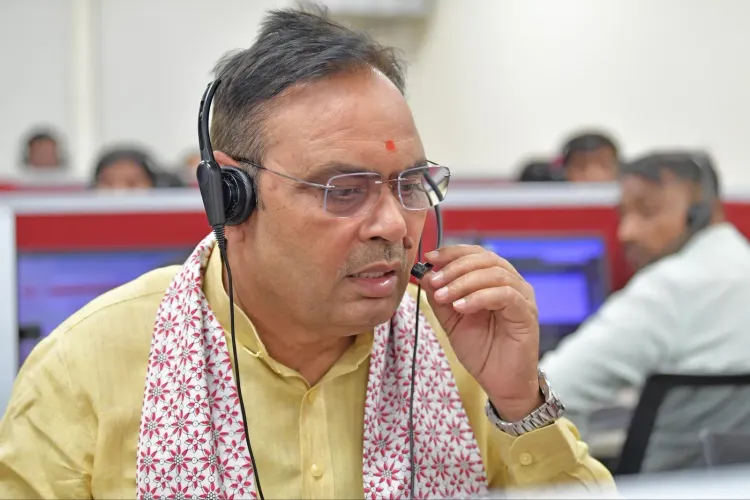
The Chief Minister's Office of Rajasthan announced on Friday, 29 May 2026 that Chief Minister Bhajanlal Sharma personally inspected the Rajasthan Sampark Helpline 181 at the Shasan Sachivalaya (Government Secretariat) in Jaipur, directly calling citizens who had registered complaints and instructing officials to ensure swift, effective resolution.
What Happened
During the inspection, CM Sharma picked up the helpline phone and called complainants himself. In one notable exchange, he called Prince from Khairabad, Kota, introducing himself with the words: 'Main Bhajanlal Sharma bol raha hoon, aap apni samasya bataiye' ('I am Bhajanlal Sharma speaking — please tell me your problem'). The complainant, caught off guard, went on to raise a grievance related to electricity supply. The Chief Minister assured him of a prompt resolution and immediately directed concerned officials to act.
Two other complainants also got to present their grievances directly to the Chief Minister: Puniram from Ramgarh Pachawara, Dausa, and Hemraj from Arani, Ajmer. Each was heard and assured of timely redressal.
Context
The Rajasthan Sampark Helpline 181 is a state-run, single-window grievance redressal platform that allows citizens across Rajasthan to register complaints on issues ranging from electricity and water supply to other basic civic services. The programme has been operational in a structured form since at least the mid-2010s and has evolved to include complaint registration, follow-up, and monitoring mechanisms.
CM Bhajanlal Sharma, who assumed office in December 2023, has made direct citizen interaction and administrative accountability a recurring theme of his tenure. Surprise inspections of grievance cells and helpline centres have been a visible part of this approach.
Policy Backdrop
During the inspection, the Chief Minister reviewed the helpline centre's working methodology, complaint registration process, follow-up protocols, and the overall monitoring framework in detail. He directed officials to collect regular feedback from helpline staff and to recognise and incentivise employees who perform well.
He also stressed that departmental complaint disposal must be subject to regular and effective monitoring, with every complainant receiving a time-bound and satisfactory resolution. This emphasis on monitoring and staff motivation reflects a broader administrative push to improve the helpline's disposal rates and accountability.
Stakeholders and Impact
The primary beneficiaries are ordinary citizens — particularly electricity consumers and residents in smaller towns and rural areas of Rajasthan — who rely on the 181 helpline as their primary channel for lodging grievances with the state government. The personal intervention of the Chief Minister sends a signal to departmental officers across the state about the priority accorded to complaint resolution.
Across India, state governments have increasingly deployed toll-free helplines and real-time monitoring dashboards to manage citizen complaints on utilities and services. Rajasthan's model, with the Chief Executive personally auditing the system, fits a wider pattern of chief ministers using such inspections to drive accountability and signal administrative responsiveness.
What's Next
Officials have been directed to ensure time-bound and satisfactory resolution for every complainant registered on the 181 helpline. Observers will watch whether this inspection translates into measurable improvements in the helpline's quarterly disposal rates and whether the government expands similar monitoring to additional departments. The #AapnoAgraniRajasthan campaign framing suggests the inspection is part of a broader governance-outreach narrative ahead of future policy milestones.
Frequently Asked Questions
What is Rajasthan Sampark Helpline 181?
Rajasthan Sampark Helpline 181 is a state-run, single-window grievance redressal service that allows citizens to register complaints on issues such as electricity supply, water, and other civic services, with built-in follow-up and monitoring mechanisms.
Why did CM Bhajanlal Sharma personally call citizens on the helpline?
During his inspection of the 181 helpline centre on 29 May 2026, CM Sharma called complainants directly to hear their grievances first-hand and to signal to officials that citizen complaints must be resolved promptly and effectively.
Which citizens spoke to CM Bhajanlal Sharma during the 181 helpline inspection?
Three complainants spoke to the Chief Minister: Prince from Khairabad (Kota) regarding an electricity supply issue, Puniram from Ramgarh Pachawara (Dausa), and Hemraj from Arani (Ajmer).
What instructions did CM Bhajanlal Sharma give after inspecting the Sampark 181 helpline?
He directed officials to take regular feedback from helpline staff, incentivise well-performing employees, and ensure time-bound and satisfactory resolution of every complaint through effective departmental monitoring.
When did Bhajanlal Sharma become Chief Minister of Rajasthan?
Bhajanlal Sharma became Chief Minister of Rajasthan in December 2023.