CM Bhajanlal Pushes Rs 1,691 Cr Water Projects for Udaipur
Synopsis
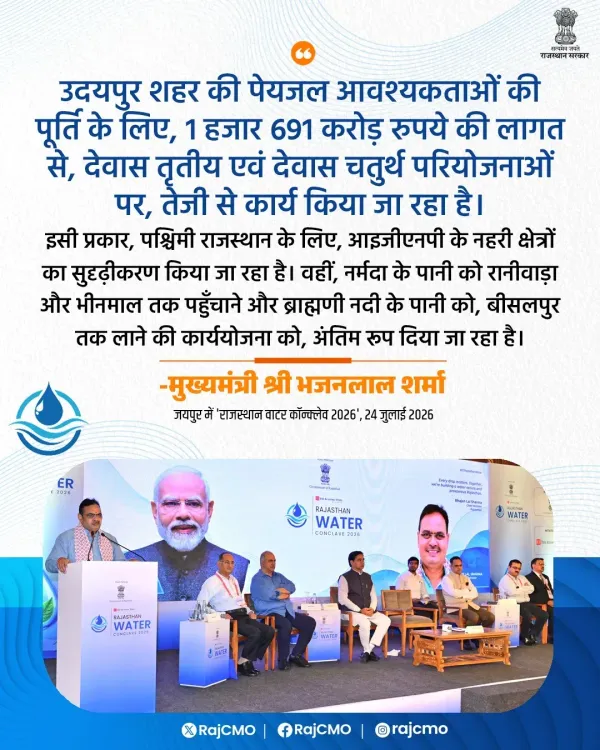
The Rajasthan CMO announced rapid progress on the Dewas III and IV drinking water projects for Udaipur, backed by a Rs 1,691 crore investment, as the Bhajan Lal Sharma government pushes to address the city's long-standing water supply gaps.
Key Takeaways
The Chief Minister's Office of Rajasthan confirmed on 25 July 2026 that work on Dewas III and Dewas IV water projects is progressing rapidly.
The twin projects carry a combined cost of Rs 1,691 crore and are aimed at meeting Udaipur city's drinking water requirements.
The announcement was tagged to Chief Minister Bhajan Lal Sharma , signalling direct political ownership of the initiative.
Udaipur has historically faced seasonal and structural drinking water shortages despite being a major tourism hub in southern Rajasthan.
The projects form part of the BJP government's broader infrastructure push in Rajasthan since taking office in December 2023 .
Completion timelines and measurable improvements in supply reliability remain the key benchmarks to watch.
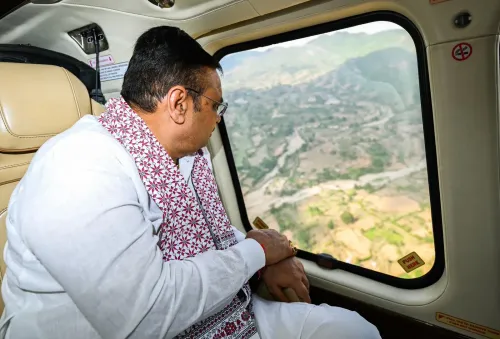
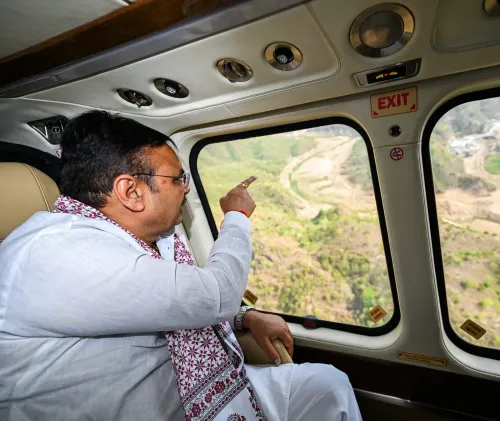
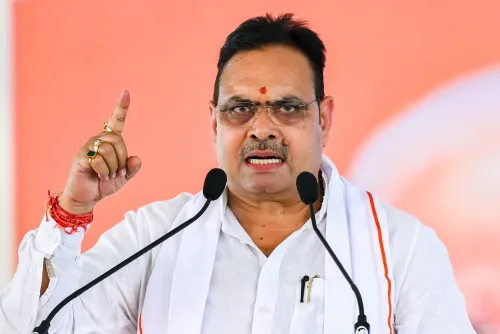
The Chief Minister's Office of Rajasthan announced on Saturday, 25 July 2026 that work on the Dewas III and Dewas IV drinking water supply projects for Udaipur city is progressing rapidly, with a combined outlay of Rs 1,691 crore. The post, tagged to Chief Minister Bhajan Lal Sharma, signals the state government's continued focus on resolving the city's long-standing potable water challenges.
Context
उदयपुर शहर की पेयजल आवश्यकताओं की पूर्ति के लिए ['To meet the drinking water needs of Udaipur city'] — the CMO's post frames the twin projects squarely as a civic necessity, not merely a development milestone. Udaipur, situated in southern Rajasthan, is celebrated for its lakes and tourism economy, yet has historically grappled with seasonal and structural gaps in urban water supply. The Dewas series of projects represents a phased state response to that deficit.
The announcement underscores Chief Minister Bhajan Lal Sharma's administration's push to complete large-scale water infrastructure that was conceived across successive governments but has gained fresh momentum since the BJP returned to power in Rajasthan in December 2023.
Policy Backdrop
Rajasthan sits largely within India's arid and semi-arid belt, making reliable urban water supply a perennial policy priority. State governments have historically relied on multi-phase reservoir, pipeline, and treatment-plant projects to augment capacity in major cities as populations grow and climate variability intensifies seasonal shortages.
The Dewas III and Dewas IV projects follow this established model — phased augmentation schemes designed to draw, treat, and distribute water to meet projected urban demand. At Rs 1,691 crore, the combined investment is among the more significant single-city water infrastructure commitments in the state's recent budgetary history. The hashtag #आपणो_अग्रणी_राजस्थान ['Our Leading Rajasthan'] situates the project within the Sharma government's broader branding of Rajasthan as a front-running development state.
Stakeholders and Impact
Udaipur's urban residents are the primary beneficiaries. The city, a major domestic and international tourism hub, has a resident population that places sustained demand on municipal water systems — demand that is amplified during peak tourist seasons. Reliable piped drinking water directly affects public health outcomes, quality of life, and the city's appeal as a hospitality destination.
Contractors, local labour, and supply-chain businesses engaged in civil and pipeline works also have a direct stake in the pace of execution. State agencies responsible for urban water distribution will need to align their network capacity with the augmented supply these projects are designed to deliver.
What's Next
The CMO's language — तेजी से कार्य किया जा रहा है ['work is being carried out rapidly'] — suggests the projects are in active execution rather than a planning or tendering phase. The critical near-term markers will be formal project-completion timelines and independent assessments of whether supply reliability in Udaipur improves measurably once the infrastructure is commissioned.
For the Bhajan Lal Sharma government, delivering visible outcomes on urban civic infrastructure ahead of future electoral cycles will be a key test of its development narrative for Rajasthan.
Point of View
The government is tying the Rs 1,691 crore Udaipur water commitment squarely to his leadership brand. This fits a pattern seen across BJP-governed states of front-loading infrastructure announcements to build a development narrative ahead of electoral cycles. The real test, however, will be whether 'rapid work' translates into a firm commissioning date and measurable relief for Udaipur's residents.
NationPress
25 Jul 2026
Frequently Asked Questions
What are the Dewas III and Dewas IV projects in Udaipur?
Dewas III and Dewas IV are phased water supply augmentation projects designed to meet the drinking water requirements of Udaipur city in Rajasthan, with a combined investment of Rs 1,691 crore.
How much is the Rajasthan government spending on Udaipur's water supply?
The Rajasthan government is investing Rs 1,691 crore in the Dewas III and Dewas IV projects to improve drinking water availability in Udaipur.
What is the current status of the Udaipur water project in 2026?
As of July 2026, the Chief Minister's Office of Rajasthan stated that work on the Dewas III and Dewas IV projects is progressing rapidly.
Why does Udaipur face drinking water problems?
Udaipur, located in arid southern Rajasthan, has historically faced seasonal and structural gaps in urban water supply due to population growth and climate variability, despite being known for its lakes.
Who is overseeing the Udaipur water infrastructure project?
Chief Minister Bhajan Lal Sharma's government is overseeing the Dewas III and IV projects, with the Chief Minister's Office directly communicating progress on the initiative.