CM Bhajanlal Sharma Addresses Yamuna Water Pact Event in Jaipur
Synopsis
Chief Minister Bhajanlal Sharma addressed a Shekhawati Foundation ceremony at Birla Auditorium, Jaipur on 21 July 2026, asserting that Yamuna water will drive development in Sikar, Jhunjhunu and Churu and position them as model districts of development, heritage and trust.
Key Takeaways
CM Bhajanlal Sharma addressed the Historical Yamuna Water Agreement Gratitude Ceremony at Birla Auditorium, Jaipur on 21 July 2026 .
The event was organised by the Shekhawati Foundation to mark a historic inter-state Yamuna water agreement.
Sikar, Jhunjhunu, and Churu districts were named as the primary beneficiary areas of the Yamuna water arrangement.
CM Sharma described the three districts as future 'model districts of development, heritage, and trust.' The state government framed the agreement as a cornerstone of 'holistic development' for the semi-arid Shekhawati region .
Budget allocations and rollout timelines for Yamuna-linked water schemes in the three districts remain the key next step to watch.
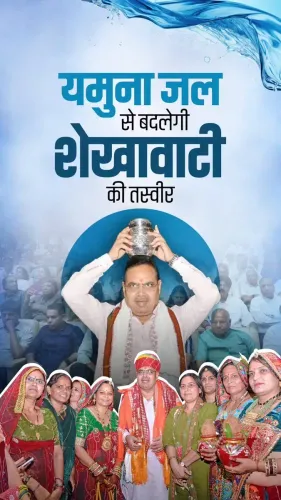
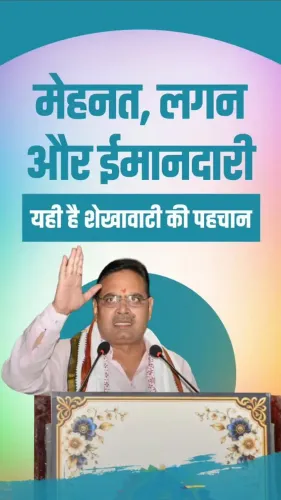
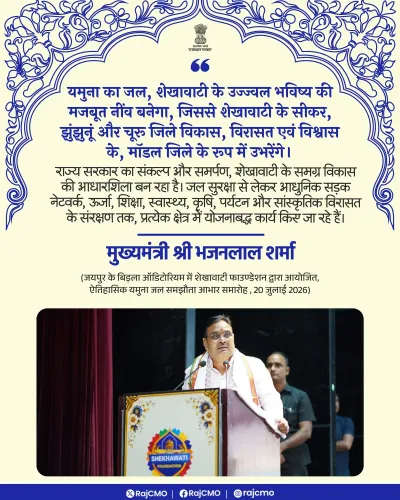
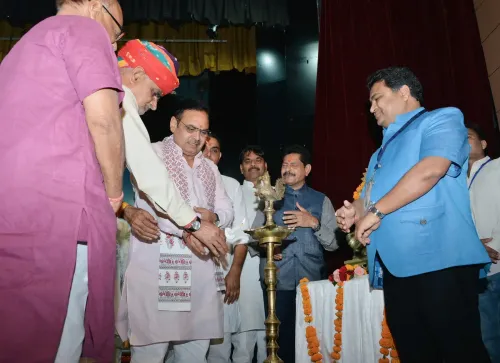
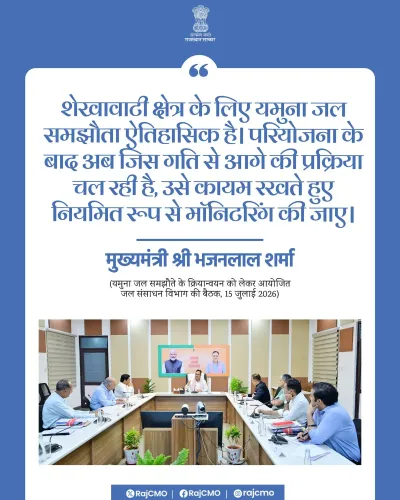
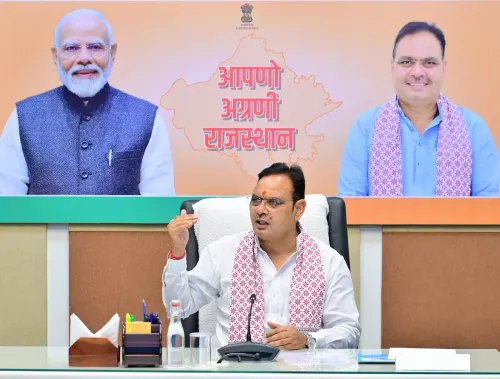
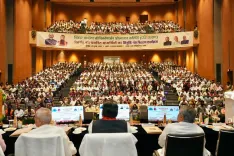
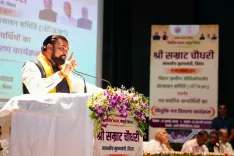
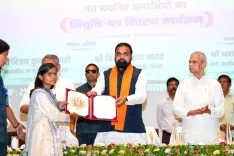
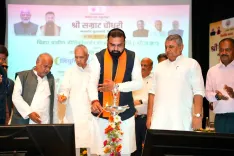
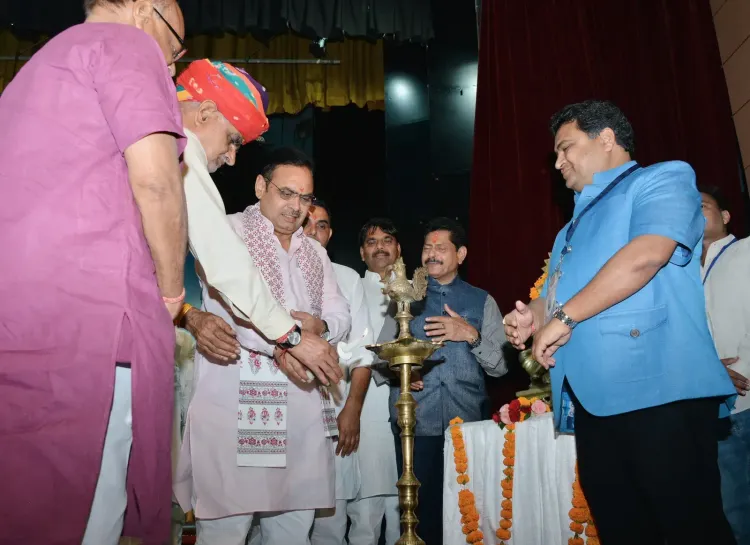
The Chief Minister's Office of Rajasthan announced on Tuesday, 21 July 2026 that Chief Minister Bhajanlal Sharma addressed the ऐतिहासिक यमुना जल समझौते आभार समारोह (Historical Yamuna Water Agreement Gratitude Ceremony) organised by the Shekhawati Foundation at Birla Auditorium, Jaipur, pledging that Yamuna water will lay the foundation for the region's future development.
Context
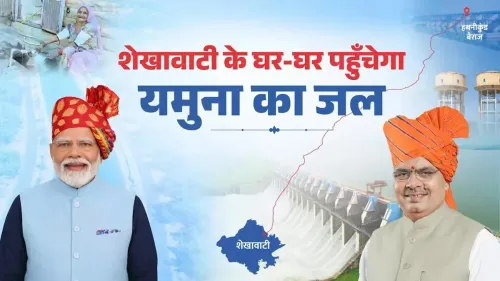
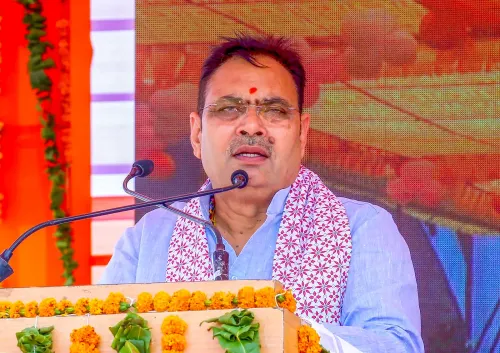
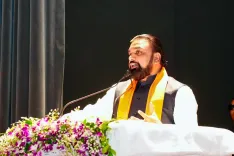
Speaking at the event, CM Bhajanlal Sharma declared that Yamuna water would become 'a strong foundation for the bright future of Shekhawati.' He specifically named Sikar, Jhunjhunu, and Churu districts as areas set to emerge as 'model districts of development, heritage, and trust' as a result of the water agreement.
The ceremony was organised by the Shekhawati Foundation to express gratitude for what it termed a historic inter-state water arrangement. The event brought together stakeholders from the three Shekhawati districts, which have long faced acute water scarcity due to their semi-arid geography.
Policy Backdrop
The Shekhawati region — comprising Sikar, Jhunjhunu, and Churu — sits in northern Rajasthan and is characterised by semi-arid conditions that have historically constrained agricultural productivity and drinking water supply. Inter-state arrangements on Yamuna river waters among basin states, including Rajasthan, were formalised in the mid-1990s to address competing demands from multiple states.
Successive Rajasthan governments have linked inter-state river water pacts to targeted development of these water-scarce northern districts, often pairing irrigation infrastructure plans with heritage conservation efforts in a region renowned for its ornate traditional havelis. CM Sharma reaffirmed this pattern, stating that 'the resolve and dedication of the state government is becoming the cornerstone of the holistic development of Shekhawati.'
Stakeholders and Impact
The most direct beneficiaries of any Yamuna water supply expansion would be farmers and residents across Sikar, Jhunjhunu, and Churu districts, where groundwater depletion has been a persistent challenge. Irrigation access from a perennial river source could significantly alter cropping patterns and reduce dependence on erratic monsoon rainfall in the region.
The Shekhawati Foundation, which organised the gratitude ceremony, represents civic and community voices from the region that have long advocated for equitable water allocation. Public events of this nature also serve as platforms for the state government to communicate progress on long-gestation water infrastructure projects to constituents.
What's Next
Attention will now turn to the rollout timelines and budget allocations for Yamuna-linked water supply schemes across the three districts. The next Rajasthan state budget cycle will be a key indicator of how swiftly the government translates the political commitment expressed at the Birla Auditorium event into funded, on-ground projects.
If the model-district framework outlined by CM Bhajanlal Sharma is operationalised with dedicated infrastructure investment, Shekhawati could serve as a template for water-led regional development in other arid parts of Rajasthan — a prospect that will be closely watched by policy observers and district administrations alike.
Point of View
Tying the BJP government's identity to a water agreement that communities in the semi-arid north have awaited for decades. By framing Sikar, Jhunjhunu and Churu as future 'model districts,' the Chief Minister is setting a measurable benchmark that will be judged by voters in a region with strong electoral salience. The event also continues a well-established Rajasthan pattern of using public gratitude ceremonies to build narrative momentum around long-gestation infrastructure projects before ground-level execution is visible. The real test will come in the next budget cycle, when rhetoric must translate into funded project timelines.
NationPress
21 Jul 2026
Frequently Asked Questions
What is the Yamuna water agreement for Shekhawati?
The Yamuna water agreement refers to inter-state arrangements among northern Indian states, including Rajasthan, for the allocation of Yamuna river waters for irrigation and drinking purposes, with the Shekhawati region's Sikar, Jhunjhunu and Churu districts among the intended beneficiaries.
Which districts will benefit from Yamuna water in Rajasthan?
According to CM Bhajanlal Sharma's address on 21 July 2026, the districts of Sikar, Jhunjhunu, and Churu in the Shekhawati region of northern Rajasthan are the primary beneficiaries of the Yamuna water agreement.
What is the Shekhawati Foundation?
The Shekhawati Foundation is a civic organisation representing community interests from the Shekhawati region of Rajasthan; it organised the Historical Yamuna Water Agreement Gratitude Ceremony at Birla Auditorium in Jaipur on 21 July 2026.
What did CM Bhajanlal Sharma say about Shekhawati development?
CM Bhajanlal Sharma stated that Yamuna water would become 'a strong foundation for the bright future of Shekhawati' and that Sikar, Jhunjhunu and Churu would emerge as 'model districts of development, heritage, and trust.'
Where is the Shekhawati region in Rajasthan?
Shekhawati is a region in northern Rajasthan comprising three districts — Sikar, Jhunjhunu, and Churu — known for its semi-arid climate, traditional havelis, and longstanding water scarcity challenges.