CM Bhupendra Patel: Deendayal Port to become Green Hydrogen Hub
Synopsis
Gujarat CM Bhupendra Patel announced that Deendayal Port in Kutch will be developed as a Green Hydrogen Hub under the National Green Hydrogen Mission, aligning India's top cargo port with the Rs 19,744 crore clean-energy initiative targeting 5 million tonnes of green hydrogen output by 2030.
Key Takeaways
Deendayal Port in Kandla, Kutch has been designated a Green Hydrogen Hub under the National Green Hydrogen Mission.
The National Green Hydrogen Mission was approved in January 2023 with an outlay of Rs 19,744 crore .
India's mission targets 5 million tonnes of annual green hydrogen production capacity by 2030 .
Kutch 's existing renewable energy infrastructure and coastal location make it a strong candidate for hydrogen production and export.
The move aligns with India's net-zero 2070 goal and the Sagarmala port-led industrialisation framework.
Specific investment figures and project timelines for the hub are yet to be officially confirmed.
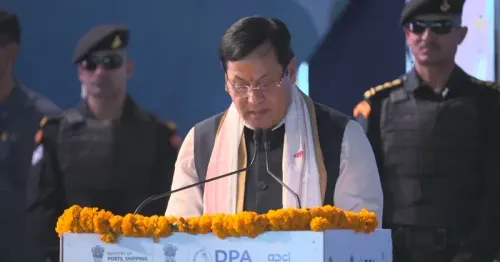
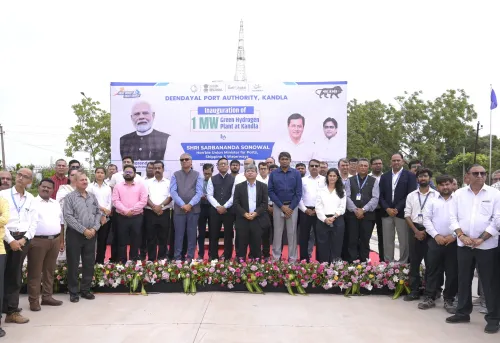
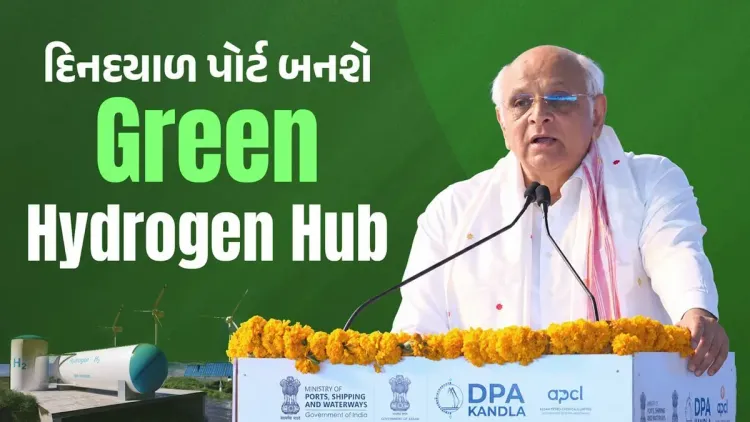
India's clean-energy ambitions are about to get a major coastal anchor. Gujarat Chief Minister Bhupendra Patel announced on Saturday, September 26, 2026, that Deendayal Port in Kutch will be developed as a Green Hydrogen Hub under the National Green Hydrogen Mission — a designation that could reshape the port's identity from bulk-cargo gateway to clean-fuel export nerve centre.
Deendayal Port's leap from bulk cargo to clean fuel
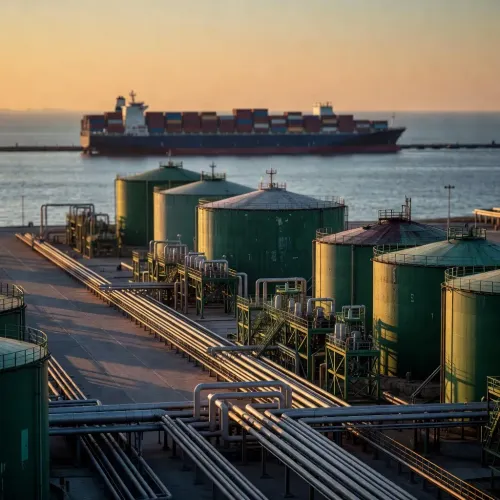
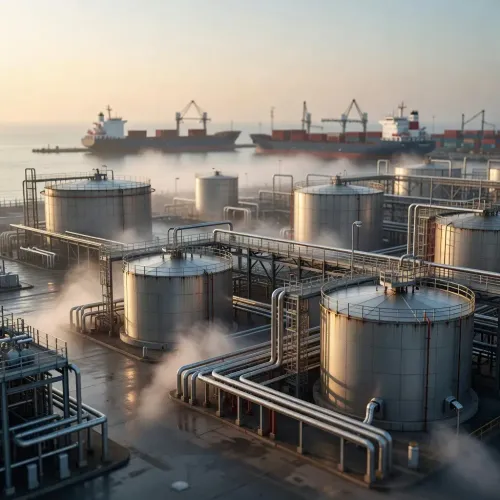
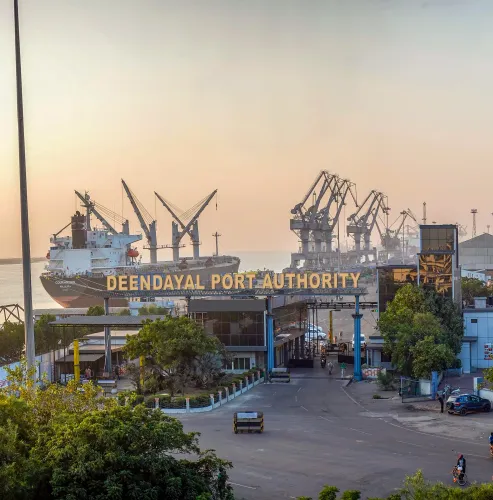
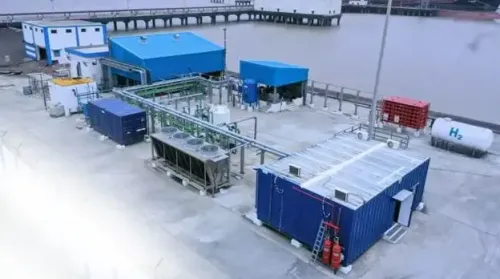
Deendayal Port, located at Kandla in Kutch district, is already one of India's highest-volume cargo ports. The Green Hydrogen Hub designation now positions it for an altogether different kind of throughput — hydrogen molecules and their derivatives, produced from renewable power and shipped to domestic industries and, eventually, international markets. Kutch itself brings a natural advantage: vast tracts of land, established renewable energy infrastructure, and proximity to major industrial clusters along the Gujarat coast.
CM Patel shared the announcement in Gujarati, 'નેશનલ ગ્રીન હાઇડ્રોજન મિશન અંતર્ગત હવે કચ્છનું દીનદયાળ પોર્ટ બનશે ગ્રીન હાઇડ્રોજન હબ' — which translates as: 'Under the National Green Hydrogen Mission, Kutch's Deendayal Port will now become a Green Hydrogen Hub.'
The Rs 19,744 crore mission powering this move
The National Green Hydrogen Mission, approved by the Union Cabinet in January 2023, carries an outlay of Rs 19,744 crore and sets a target of 5 million tonnes of annual green hydrogen production capacity by 2030. The strategy is port-anchored by design: select coastal hubs are being earmarked to host production clusters, drawing in renewable energy firms and enabling large-scale exports of green hydrogen and ammonia.
India's broader push ties directly into its net-zero 2070 commitment and the Sagarmala framework for port-led industrialisation. Gujarat has been running parallel state-level renewable energy and port modernisation programmes since 2021, giving Deendayal a head start in infrastructure readiness compared to many rival port locations.
What Kutch's geography brings to the table
Kutch is not a random choice. The district already hosts extensive salt pans, wind corridors, and solar capacity — the raw ingredients for green hydrogen production through electrolysis powered by renewables. Port proximity cuts the last-mile logistics problem that bedevils inland hydrogen projects. Renewable energy firms and port authorities now become the critical stakeholders as project specifications, funding tranches from the mission corpus, and private-partner announcements move toward the pipeline.
Specific investment figures and construction timelines for the Deendayal Hub have not yet been officially confirmed, making the state-central coordination process — and any forthcoming memoranda with private developers — the immediate thing to watch.
Point of View
It consolidates the state's position as the country's dominant energy-transition geography, building on its solar and wind lead. The announcement also signals that the National Green Hydrogen Mission is moving from policy aspiration to site-specific project allocation, which is the phase where execution timelines and private-partner commitments will prove decisive. How quickly state-central coordination translates into funded contracts will determine whether Deendayal Port becomes a genuine export hub or remains a well-branded intention.
NationPress
26 Sept 2026
Frequently Asked Questions
What is the National Green Hydrogen Mission?
The National Green Hydrogen Mission is a central government scheme approved in January 2023 with an outlay of Rs 19,744 crore, aiming to develop 5 million tonnes of annual green hydrogen production capacity in India by 2030.
Why is Deendayal Port being chosen as a Green Hydrogen Hub?
Deendayal Port in Kandla, Kutch, is one of India's largest cargo ports situated in a district with strong renewable energy potential — wind, solar, and land availability — making it well-suited for green hydrogen production and export logistics.
Where is Deendayal Port located?
Deendayal Port is located at Kandla in Kutch district, Gujarat, on India's western coast.
What is India's green hydrogen production target by 2030?
India's National Green Hydrogen Mission targets an annual production capacity of 5 million tonnes of green hydrogen by 2030.
How does this announcement relate to India's net-zero goal?
Developing port-based green hydrogen hubs is part of India's broader strategy to decarbonise heavy industry and enable clean-fuel exports, supporting its net-zero emissions target by 2070 and the Sagarmala port-led industrialisation framework.