CM Bhupendra Patel Hails Ahmedabad Flood Rescue of 300
Synopsis
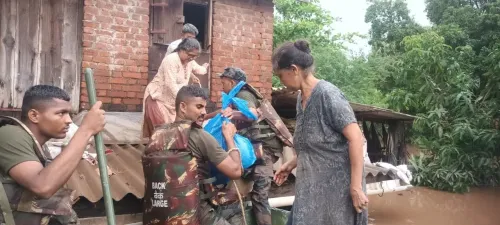
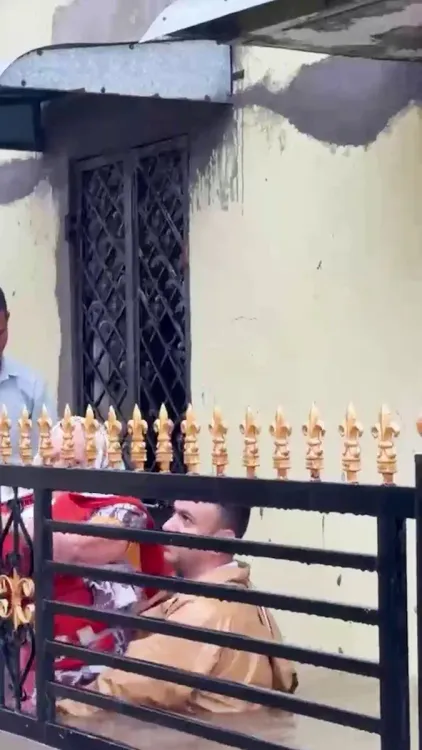
Gujarat CM Bhupendra Patel on 24 July 2026 commended Ahmedabad Rural Police and district officials for rescuing 300 people from flooded societies in Dholka and conducting ongoing evacuation and relief work in Viramgam amid heavy monsoon rains.
Key Takeaways
Gujarat CM Bhupendra Patel publicly commended flood rescue operations in Ahmedabad district on 24 July 2026 .
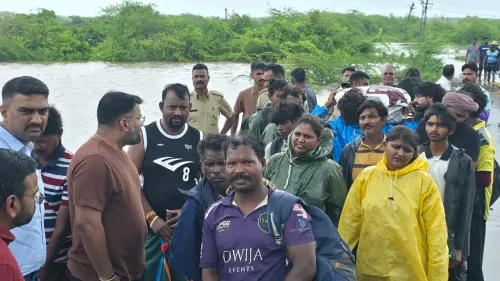
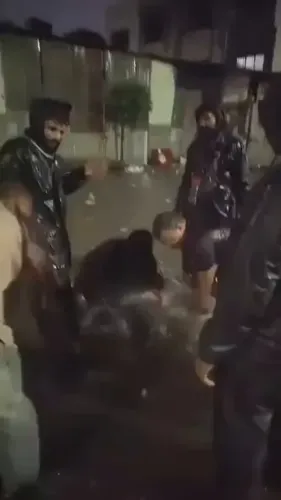
300 people trapped in floodwaters in various societies in Dholka were rescued and moved to safety by police and district authorities.
Evacuation and relief operations are also under way in Viramgam and surrounding areas on a round-the-clock basis.
The Chief Minister tagged @GujaratPolice and @CollectorAhd , signalling direct oversight from the state's top executive.
Operations are being conducted under the Gujarat State Disaster Management Authority (GSDMA) coordination framework established after the 2017 floods.
Potential escalation to NDRF or SDRF deployment depends on continued rainfall intensity across the district.
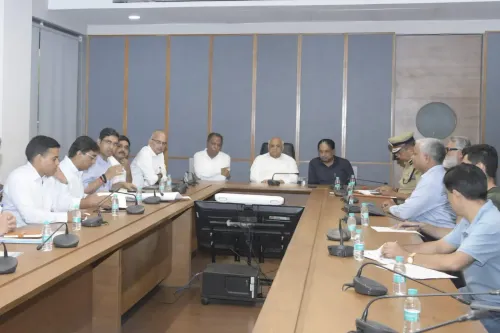
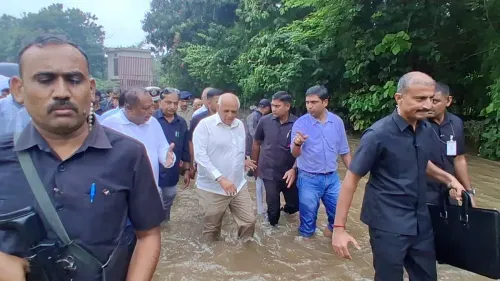
Gujarat Chief Minister Bhupendra Patel on Friday, 24 July 2026, commended the Ahmedabad Rural Police and district administration for their round-the-clock flood relief operations in Ahmedabad district, where heavy monsoon rains have disrupted normal life across several areas.
Posting in Gujarati on X, the Chief Minister stated that police and local authorities had rescued 300 people trapped in floodwaters across various societies in Dholka and relocated them to safety. He added that evacuation, rescue, and relief operations were also being conducted continuously in Viramgam and surrounding areas.
'ગ્રામ્ય પોલીસ તેમજ જિલ્લાતંત્રની કામગીરી સરાહનીય છે' ('The work of the rural police and district administration is commendable'), he wrote, tagging @GujaratPolice and @CollectorAhd in his post.
Context
Ahmedabad district is Gujarat's most populous district, covering both dense urban zones and low-lying rural areas that are regularly inundated during the southwest monsoon. Dholka, a sub-division within the district, is particularly vulnerable to waterlogging owing to its flat terrain and limited drainage capacity.
Viramgam, another town in the district, has similarly required evacuation and relief deployment in previous monsoon cycles. The 2026 rainfall event appears to have triggered simultaneous flooding across multiple pockets, placing pressure on both police and revenue machinery.
Policy Backdrop
Following the 2017 Gujarat floods, the state government strengthened district-level flood response coordination between police and collectors under the Gujarat State Disaster Management Authority (GSDMA) framework. This institutional structure assigns the district collector a nodal role in activating rescue teams, relief camps, and inter-agency communication.
BJP-led Gujarat administrations have consistently emphasised visible administrative coordination during weather events as part of annual monsoon preparedness. The Chief Minister's public acknowledgement of field-level personnel is in line with this pattern of top-down accountability signalling.
Stakeholders and Impact
The most immediate beneficiaries are the 300 residents rescued from inundated societies in Dholka, along with residents of Viramgam and nearby areas who are being evacuated. Flood displacement typically affects daily-wage workers, elderly residents, and families in ground-floor dwellings most acutely.
Ahmedabad Rural Police and the Ahmedabad Collectorate are the primary operational agencies on the ground. Their coordination with local bodies determines the speed of rescue, the adequacy of temporary shelter, and the eventual disbursal of state relief assistance to affected households.
What's Next
Meteorological conditions and any escalation in rainfall will determine whether National Disaster Response Force (NDRF) or State Disaster Response Force (SDRF) units need to be deployed in addition to local police. Damage assessment by the collectorate will feed into compensation calculations under state norms.
With multiple localities simultaneously affected, the district administration is expected to update relief camp occupancy and restoration timelines in the coming days. Sustained political attention from the Chief Minister's office typically accelerates inter-departmental resource mobilisation during such events.
Point of View
Rather than a generic district-level reference, suggests ground-level briefings are reaching the Chief Minister's office in near real time. Whether the response translates into durable flood mitigation infrastructure or remains a seasonal administrative exercise will be the longer-term test of governance intent.
NationPress
24 Jul 2026
Frequently Asked Questions
How many people were rescued from floods in Ahmedabad district on 24 July 2026?
According to CM Bhupendra Patel's post, 300 people trapped in floodwaters across various societies in Dholka were rescued by Ahmedabad Rural Police and the district administration and brought to safety.
Which areas in Ahmedabad district were affected by heavy rain on 24 July 2026?
Dholka and Viramgam , both sub-divisions of Ahmedabad district , were mentioned by CM Patel as areas where rescue, evacuation, and relief operations were actively under way.
What is the Gujarat State Disaster Management Authority?
The Gujarat State Disaster Management Authority (GSDMA) is the nodal state body coordinating disaster preparedness and response in Gujarat. Its district-level framework, strengthened after the 2017 floods , assigns collectors and police a joint operational role during flood emergencies.
Will NDRF be deployed in Ahmedabad district floods?
As of CM Patel's post on 24 July 2026 , operations were being handled by Ahmedabad Rural Police and district authorities. Deployment of NDRF or SDRF would depend on whether rainfall intensifies and local capacity is exceeded.
What did CM Bhupendra Patel say about the flood response?
CM Patel wrote in Gujarati that the work of the rural police and district administration was 'commendable,' noting that 300 people had been rescued in Dholka and that relief operations were continuing day and night in Viramgam and nearby areas.