CM Bhupendra Patel hands appointment letters to 449 new Gujarat Police sub-inspectors
Synopsis
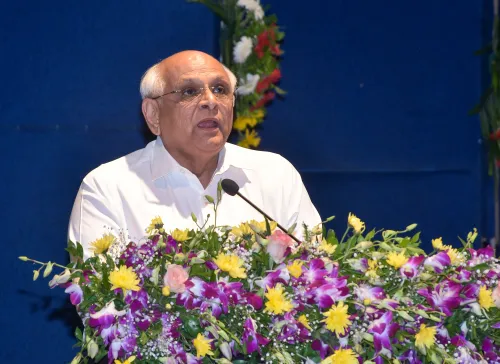
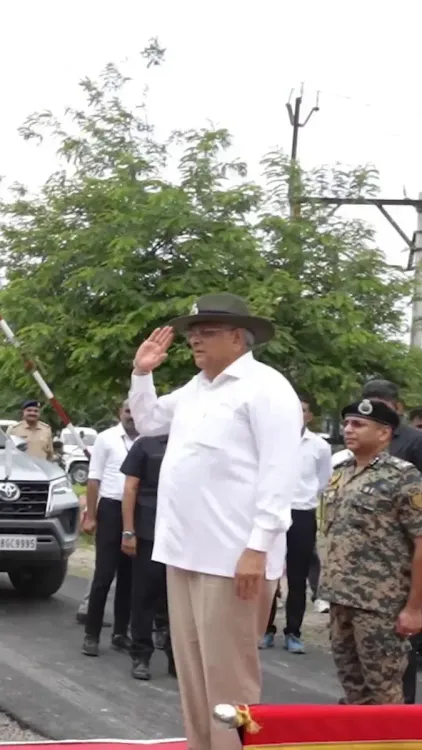
Gujarat Chief Minister Bhupendra Patel on 8 July 2026 handed appointment letters to 449 newly recruited unarmed Police Sub-Inspectors in Gandhinagar, highlighting the state's commitment to SMART technology-driven policing and continued expansion of the Gujarat Police force.
Key Takeaways
449 unarmed Police Sub-Inspectors received appointment letters from CM Bhupendra Patel at Gandhinagar on 8 July 2026 .
The ceremony was attended in coordination with Home Minister of State Harsh Sanghavi and Gujarat Police .
CM Patel highlighted the role of SMART technology in making Gujarat's police force more effective and modern.
Gujarat has been conducting periodic large-scale sub-inspector recruitment drives since 2019 to meet sanctioned strength targets.
The SMART policing framework , promoted by the Ministry of Home Affairs since 2015 , focuses on digital tools, surveillance, and data-driven investigation.
Future budget allocations for police equipment and training infrastructure will determine the pace of further modernisation.
Gujarat Chief Minister Bhupendra Patel on Wednesday, 8 July 2026, announced he would personally hand appointment letters to 449 newly recruited unarmed Police Sub-Inspectors at a ceremony in Gandhinagar, underlining the state government's push to expand and modernise its police force through technology-driven policing.
Context
Posting in Gujarati on X, CM Patel stated: 'આજે ગાંધીનગર ખાતે 449 નવનિયુક્ત બિન હથિયારી પોલીસ સબ ઇન્સ્પેક્ટરોને નિમણૂંક પત્રો એનાયત કરીશ' ('Today at Gandhinagar I will confer appointment letters on 449 newly appointed unarmed Police Sub-Inspectors'). He described the role of the police force as 'extremely important' in maintaining the security and peace of Gujarat, and extended best wishes to all the 'bright candidates' selected.
The post also tagged Gujarat Minister of State for Home Affairs Harsh Sanghavi and the official @GujaratPolice handle, signalling the event's institutional weight and the Home Ministry's direct involvement in the recruitment drive.
Policy Backdrop
Gujarat has conducted periodic large-scale sub-inspector recruitment drives since 2019, aimed at closing the gap between sanctioned and actual police strength across the state. The current batch of 449 unarmed sub-inspectors is part of this continuing effort to fill vacancies at the supervisory level of the force.
CM Patel specifically referenced SMART technology — a framework promoted by the Ministry of Home Affairs since 2015 that stands for Strict and Sensitive, Modern and Mobile, Alert and Accountable, Reliable and Responsive, and Techno-savvy and Trained. The framework guides states in integrating digital surveillance, data-driven investigation tools, and modern communication systems into everyday policing.
Stakeholders and Impact
The 449 recruits will be deployed as unarmed sub-inspectors, a rank that carries supervisory responsibility over constabulary units and plays a key role in day-to-day law-and-order management at the ground level. Their induction directly strengthens Gujarat Police's operational capacity across districts.
For Gujarat's residents, a larger, better-equipped police force translates to faster response times and stronger community policing. The emphasis on SMART technology also signals that new recruits will be trained in digital tools for crime detection and evidence management, moving beyond traditional policing methods.
What's Next
Attention will now turn to subsequent recruitment phases and whether the state budget allocates additional funds for police equipment, training infrastructure, and technology upgrades in the coming fiscal year. The rollout of SMART policing tools — including surveillance networks and digital case-management systems — will determine how effectively the expanded force translates into measurable improvements in public safety across Gujarat.
Point of View
CM Patel is reinforcing the BJP's law-and-order brand ahead of any future electoral cycle in Gujarat. The consistent tagging of Home MoS Harsh Sanghavi positions him as the operational face of police modernisation, a portfolio that carries strong political visibility. Nationally, this fits a broader pattern of BJP-governed states using police expansion and technology adoption to project administrative competence. The unarmed sub-inspector category, often overlooked in public discourse, is critical to supervisory depth — its strengthening could have a tangible impact on Gujarat's crime response metrics over the next two years.
NationPress
8 Jul 2026
Frequently Asked Questions
Who received appointment letters from CM Bhupendra Patel on 8 July 2026?
449 newly recruited unarmed Police Sub-Inspectors received appointment letters from Gujarat Chief Minister Bhupendra Patel at a ceremony in Gandhinagar on 8 July 2026 .
What is SMART policing in Gujarat?
SMART policing is a framework promoted by the Ministry of Home Affairs since 2015 that stands for Strict and Sensitive, Modern and Mobile, Alert and Accountable, Reliable and Responsive, and Techno-savvy and Trained. It guides states like Gujarat in integrating digital tools, surveillance systems, and data-driven methods into everyday policing.
What is the role of an unarmed Police Sub-Inspector in Gujarat?
An unarmed Police Sub-Inspector holds a supervisory rank within Gujarat Police , overseeing constabulary units and managing day-to-day law-and-order functions at the ground level without carrying standard-issue firearms.
Who is Harsh Sanghavi and what is his role in Gujarat Police recruitment?
Harsh Sanghavi is Gujarat's Minister of State for Home Affairs and is closely associated with police recruitment drives and the state's police modernisation programmes. He was tagged by CM Patel in the post announcing the appointment ceremony.
How long has Gujarat been conducting sub-inspector recruitment drives?
Gujarat has been conducting periodic large-scale sub-inspector recruitment drives since 2019 , aimed at filling vacancies and meeting the state's sanctioned police strength targets.