CM Bhupendra Patel Reviews Heavy Rain Crisis Across Gujarat
Synopsis
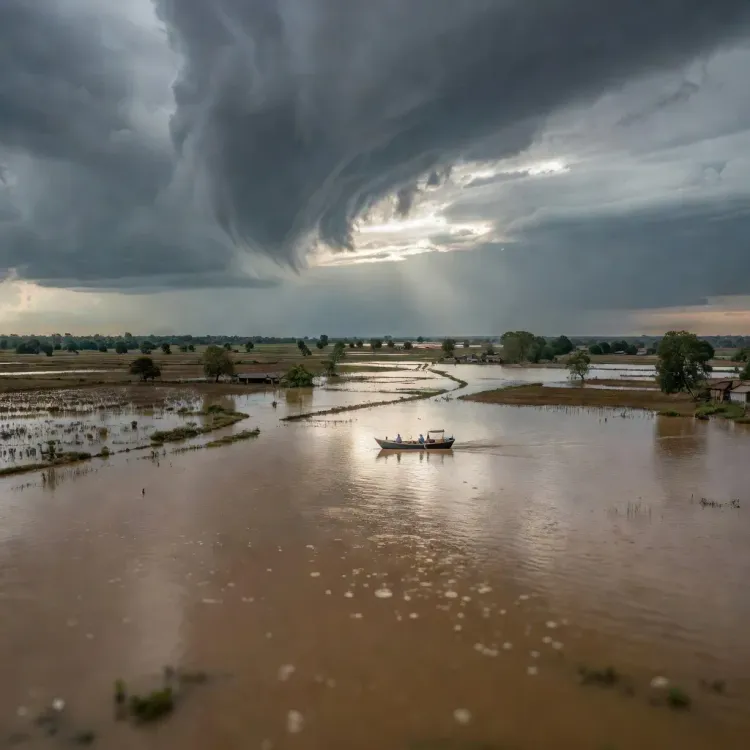
Gujarat Chief Minister Bhupendra Patel on July 8, 2026, said Union Home Minister Amit Shah telephoned him to review heavy rainfall conditions across Gujarat districts. Shah assured full central support and guidance on preparedness. The CM confirmed he is directly coordinating with district administrations on rescue and relief operations.
Key Takeaways
Union Home Minister Amit Shah called Gujarat CM Bhupendra Patel on July 8, 2026 to assess heavy rainfall conditions across multiple Gujarat districts.
Amit Shah provided guidance on proactive planning and assured full central government support for rescue and relief.
CM Patel stated he is in direct contact with district administrations and is personally reviewing rescue and relief operations.
The state government has committed to preventing loss of life and property amid extreme rainfall conditions.
The engagement follows the federal disaster management protocol under the Disaster Management Act, 2005 and the NDMA framework.
Next steps include possible formal requests for additional NDRF teams and central financial assistance if the situation intensifies.
Gujarat Chief Minister Bhupendra Patel on Wednesday, July 8, 2026, said Union Home Minister Amit Shah called him to assess the heavy rainfall situation across several districts of Gujarat and assured full central government support for rescue and relief operations. The Chief Minister added that he is in direct contact with district administrations and is personally reviewing ongoing relief efforts.
Context
Posting in Gujarati on X, CM Patel wrote that Amit Shah 'ટેલીફોનિક વાતચીત કરીને ગુજરાતના વિવિધ જિલ્લાઓમાં ભારે વરસાદની સ્થિતિ અંગેની વિગતો જાણી હતી' ('telephonically spoke with me to learn details about the heavy rainfall situation in various districts of Gujarat'). Shah also provided guidance on proactive planning and preparedness, the Chief Minister stated.
Patel confirmed that the state government is 'committed to preventing loss of life and property' amid the extreme rainfall conditions and that all necessary steps are being taken with full alertness.
Policy Backdrop
The exchange follows an established federal protocol under the Disaster Management Act, 2005, which created the institutional framework for centre-state coordination during natural calamities. The National Disaster Management Authority (NDMA), constituted in the same year, sets national policies on preparedness and response that guide such inter-governmental engagement.
The Union Ministry of Home Affairs, headed by Amit Shah, oversees the deployment of National Disaster Response Force (NDRF) teams and the release of funds under State Disaster Response Fund (SDRF) norms. Gujarat has faced recurrent monsoon flooding over the years, making such centre-state coordination a regular feature of the state's disaster management calendar.
Stakeholders and Impact
Residents of flood-prone districts across Gujarat are the most immediate stakeholders, with district administrations tasked with on-ground rescue and relief. CM Patel stated he is in direct contact with these district authorities, signalling active state-level monitoring.
The assurance of central support is significant for resource mobilisation, as NDRF battalions and financial assistance from the centre typically supplement state capacity during large-scale flood events. The state government's public commitment to preventing loss of life underscores the scale of the rainfall alert.
What's Next
Attention will now turn to rainfall updates from the India Meteorological Department (IMD) and whether the state formally requests additional NDRF battalions or central financial assistance in the coming days. The pace of rescue and relief operations across affected districts will be closely watched as the monsoon season progresses.
Should the situation intensify, a formal request under the National Disaster Response Fund (NDRF) norms could follow, setting in motion a structured central disbursement process that has precedent in past Gujarat flood events.
Point of View
Signalling that the central government is treating Gujarat's monsoon situation as operationally significant rather than routine. By publicly disclosing the conversation and Shah's assurance of support, Patel is simultaneously reassuring citizens and placing the centre's commitment on record — a move that also pre-positions the state for any formal resource request. The emphasis on proactive planning and 'full alertness' reflects lessons absorbed from Gujarat's repeated flood cycles, where delayed mobilisation has historically drawn criticism. Broader monsoon management in western India will be a key governance test in the weeks ahead.
NationPress
8 Jul 2026
Frequently Asked Questions
Why did Amit Shah call Gujarat CM Bhupendra Patel?
Union Home Minister Amit Shah called CM Bhupendra Patel to get details about the heavy rainfall situation in various Gujarat districts and to provide guidance on preparedness and relief operations, while assuring full central government support.
Which districts in Gujarat are affected by heavy rain in July 2026?
CM Patel's post refers to 'various districts' of Gujarat being affected by heavy rainfall, but specific district names were not mentioned in the official statement.
What is the NDRF and how does it help during Gujarat floods?
The National Disaster Response Force (NDRF) is a central armed force under the Ministry of Home Affairs specialised in disaster rescue and relief. During Gujarat floods, NDRF teams are deployed to support state agencies in evacuation and rescue operations.
What law governs centre-state disaster coordination in India?
The Disaster Management Act, 2005 provides the legal framework for centre-state coordination during natural calamities, and the National Disaster Management Authority (NDMA) sets national policies under this law.
What is SDRF and who funds it?
The State Disaster Response Fund (SDRF) is a fund constituted under the Disaster Management Act through which states finance immediate relief operations, with contributions from both the central and state governments based on set norms.