CM Bhupendra Patel Visits Gandhinagar Farmer, Backs Natural Farming
Synopsis
Gujarat Chief Minister Bhupendra Patel visited a young natural farmer in Mahundra village, Gandhinagar on 18 July 2026, sat with villagers to hear their experiences, and called chemical-free natural farming the only true alternative for protecting human health and soil — invoking PM Modi's 'Back to Basics' mantra.
Key Takeaways
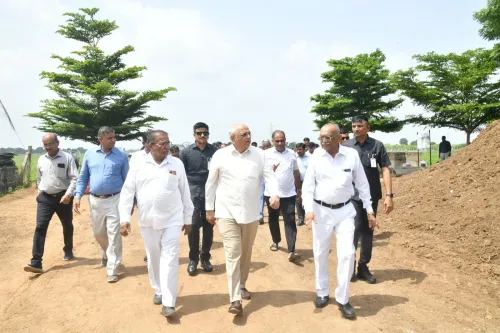
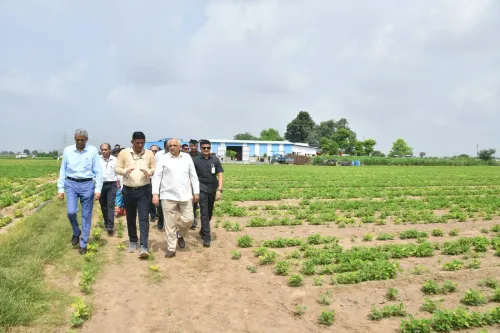
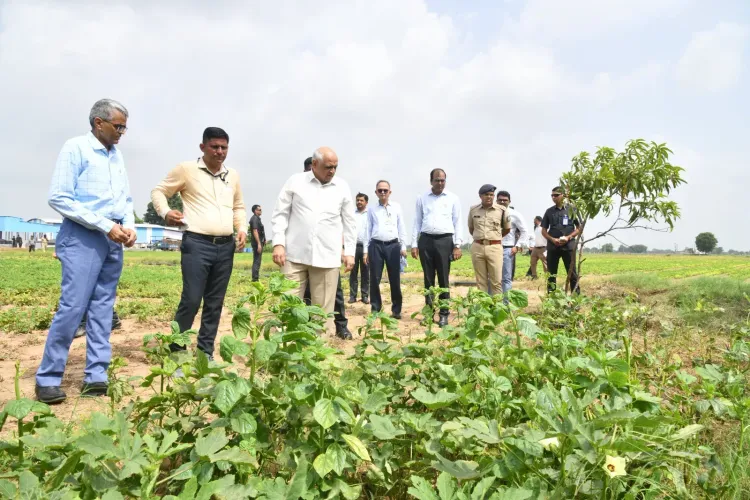
CM Bhupendra Patel visited the natural farm of Alpeshbhai Patel in Mahundra village, Gandhinagar district on 18 July 2026 .
Alpeshbhai Patel practices natural farming and conserves Gir cows at a gaushala , serving as a model for neighbouring farmers.
The CM called natural farming the 'only true alternative' to protect future generations and reverse health damage from excessive chemical fertiliser use.
He invoked PM Narendra Modi's 'Back to Basics' mantra, calling for the idea to reach every village across India.
The visit aligns with the national Paramparagat Krishi Vikas Yojana (launched 2015 ) promoting organic and natural farming clusters.
Attention now turns to potential state-level training programmes and budget support linking gaushalas with organic certification.
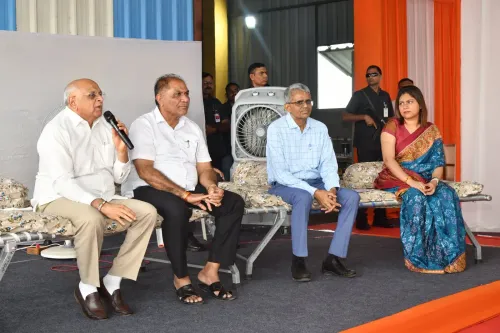
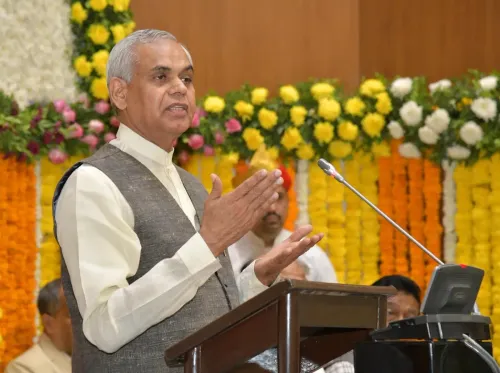
Gujarat Chief Minister Bhupendra Patel spent the morning of Saturday, 18 July 2026, at the farm of a young natural-farming practitioner in Mahundra village, Gandhinagar district, urging every farmer in the state to abandon chemical inputs and embrace chemical-free, nature-based agriculture. The CM sat with villagers on a traditional khataale (cot) and listened to their first-hand experiences, calling natural farming the only real option for protecting future generations.
Context
Posting in Gujarati on the occasion of the month of Ashadh — the first month of the monsoon season and the start of the kharif sowing cycle — CM Patel described the visit as a 'sukhad avas' (joyful occasion). He visited the natural farm of Alpeshbhai Patel, a young farmer from Mahundra village, who practices natural farming and runs a gaushala (cow shelter) where Gir cows are conserved. The CM interacted at length with the farmer and local villagers, listening to their experiences and calling on every farmer to adopt chemical-free prakrutik kheti (natural farming).
In his post, the CM stated: 'Prakrutik kheti j sacho vikalp chhe' — 'Natural farming is the only true alternative' — to protect human health from serious diseases caused by excessive use of chemical fertilisers, and to restore the health of both people and the soil.
Policy Backdrop
Prime Minister Narendra Modi has long championed the 'Back to Basics' philosophy, repeatedly urging Indian farmers since 2019 to reduce dependence on chemical fertilisers and return to traditional, soil-friendly practices. CM Patel directly referenced this in his post, saying the PM has given the nation the mantra of 'Back to Basics' for exactly this purpose, and expressing his wish that this idea reaches every village and every rural farmer understands its importance.
At the national level, the Paramparagat Krishi Vikas Yojana, launched in 2015, has promoted organic and natural farming clusters across India. Gujarat has aligned with this national direction by spotlighting model farmers and encouraging wider grassroots adoption of natural farming methods at the village level.
Stakeholders and Impact
The visit underlines the role of Gir cow-based gaushalas as anchors of natural farming — providing bio-inputs such as cow dung and cow urine that replace synthetic fertilisers and pesticides. Farmers like Alpeshbhai Patel serve as demonstration models for neighbouring cultivators, showing that chemical-free cultivation is economically viable and ecologically sound.
For Gandhinagar district farmers and broader rural Gujarat communities, the CM's direct field engagement signals that the state administration is actively backing the transition away from the chemical-intensive model that dominated the post-Green Revolution decades. Excessive chemical fertiliser use has been linked to soil degradation and rising incidence of chronic illnesses in farming communities.
What's Next
The focus now shifts to whether Gujarat will roll out structured natural-farming training programmes across additional districts, building on such field interactions. Observers will also watch for state budget provisions that link gaushalas with organic certification support, potentially creating an economic incentive for more farmers to make the shift. CM Patel's personal presence at a village farm during the critical kharif sowing season sends a strong signal that the state intends to accelerate this transition well beyond symbolic gestures.
Point of View
The state signals that the movement is youthful and self-sustaining, not just a government directive. The emphasis on soil health and human disease sits within a broader national narrative that frames chemical farming as a legacy problem of the Green Revolution requiring urgent correction. Whether the visit translates into measurable district-level programme rollouts will determine if this is a policy inflection point or a well-photographed field trip.
NationPress
18 Jul 2026
Frequently Asked Questions
What is prakrutik kheti and why is Gujarat promoting it?
Prakrutik kheti means natural or chemical-free farming using bio-inputs such as cow dung and cow urine instead of synthetic fertilisers and pesticides. Gujarat is promoting it to reverse soil degradation, reduce farmer exposure to chemicals linked to chronic diseases, and align with PM Modi's national 'Back to Basics' farming philosophy.
Who is Alpeshbhai Patel and why did CM Bhupendra Patel visit his farm?
Alpeshbhai Patel is a young farmer from Mahundra village in Gandhinagar district, Gujarat, who practices natural farming and conserves Gir cows at a gaushala. CM Bhupendra Patel visited his farm on 18 July 2026 to learn from his experience and use it as a model to inspire other farmers to adopt chemical-free agriculture.
What is PM Modi's 'Back to Basics' mantra for farming?
PM Narendra Modi's 'Back to Basics' call urges Indian farmers to reduce dependence on chemical fertilisers and return to traditional, nature-based cultivation methods. He has been promoting this approach since 2019 to restore soil health and protect human health from the effects of excessive chemical use in agriculture.
What is the Paramparagat Krishi Vikas Yojana?
The Paramparagat Krishi Vikas Yojana is a Government of India scheme launched in 2015 to promote organic and natural farming clusters across the country. It provides financial and technical support to farmer groups transitioning away from chemical-intensive agriculture.
What is the significance of Gir cows in natural farming?
Gir cows, an indigenous breed from Gujarat, are central to natural farming because their dung and urine are used to prepare bio-fertilisers and natural pesticides. Conserving Gir cows in gaushalas therefore directly supports chemical-free cultivation and is a key part of Gujarat's natural farming model.