CM Samrat Choudhary amplifies Amit Shah's Jalandhar anti-drug address
Synopsis
Bihar Chief Minister Samrat Choudhary amplified Union Home Minister Amit Shah's live address at the Nasha Mukt Punjab Yatra's closing ceremony in Jalandhar on 30 September 2026, signalling BJP's coordinated national push against drug abuse in Punjab.
Key Takeaways
Bihar CM Samrat Choudhary shared a live broadcast of Amit Shah 's speech at the Nasha Mukt Punjab Yatra closing event on 30 September 2026 .
The concluding ceremony was held in Jalandhar , one of Punjab's key cities in the drug-affected corridor near the western border.
The Nasha Mukt Bharat Abhiyan , launched in 2020 by the Ministry of Social Justice and Empowerment, provides the national policy foundation for state-level anti-drug yatras.
The Narcotics Control Bureau , overseen by the Home Ministry, is the central enforcement arm engaged in Punjab's drug-transit problem.
A Bihar chief minister amplifying a Punjab anti-drug event reflects deliberate intra-party coordination to frame drug policy as a pan-national BJP priority.
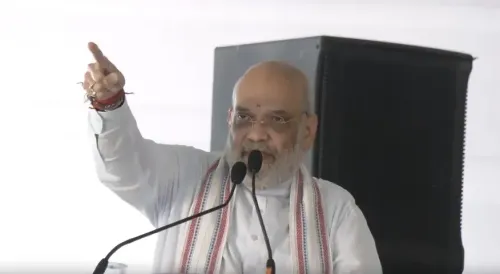
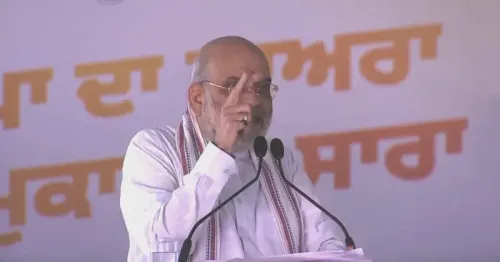
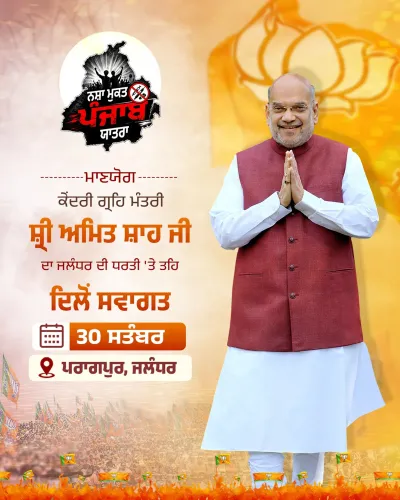
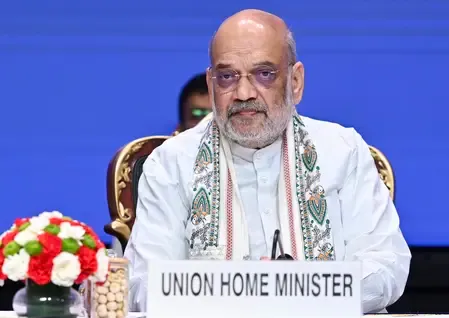
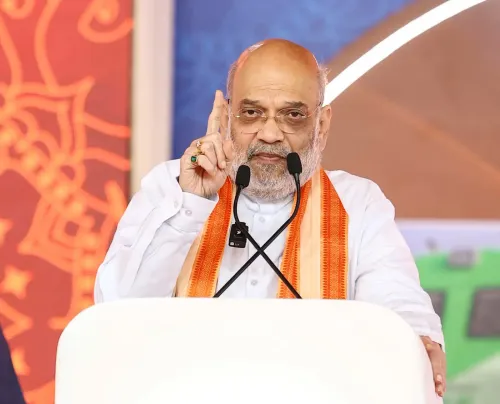
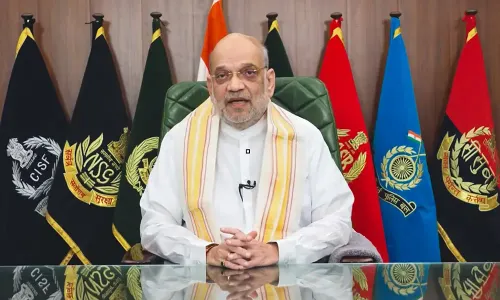
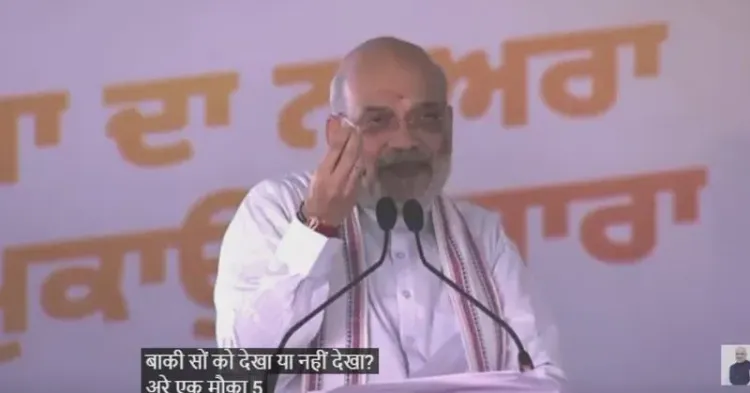
In a pointed signal of BJP's intra-party coordination on national social campaigns, Bihar Chief Minister Samrat Choudhary shared a live broadcast on Wednesday, 30 September 2026 of Union Home and Cooperation Minister Amit Shah's address at the concluding ceremony of the 'Nasha Mukt Punjab Yatra' in Jalandhar — putting a Bihar leader's spotlight squarely on Punjab's drug crisis.
The post, shared in Hindi, reads: 'Live: जालंधर में नशामुक्त पंजाब यात्रा के समापन समारोह में माननीय गृह एवं सहकारिता मंत्री श्री Amit Shah जी का संबोधन' — ('Live: Honourable Home and Cooperation Minister Shri Amit Shah's address at the concluding ceremony of the Nasha Mukt Punjab Yatra in Jalandhar'). The amplification by a chief minister from a different state underlines how the BJP is framing the anti-drug push as a pan-national party priority, not merely a local Punjab concern.
Jalandhar as the final stage of Punjab's anti-drug yatra
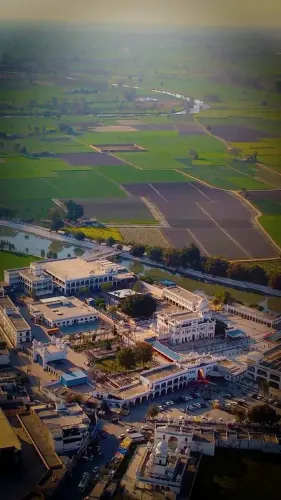
Jalandhar — one of Punjab's largest cities and a significant node in the state's drug-affected belt — served as the host for the yatra's grand finale. The Nasha Mukt Punjab Yatra is an awareness campaign built around public rallies and community outreach, designed to mobilise civil society against substance abuse in a state that has long grappled with drug dependency among its youth.
Punjab sits on a critical transit corridor for narcotics entering from the western border, making it a persistent focus of central enforcement agencies including the Narcotics Control Bureau. Concluding such a yatra in Jalandhar — with the Union Home Minister at the podium — sends a deliberate message about the centre's continued engagement with the state's most politically sensitive social crisis.
Nasha Mukt Bharat Abhiyan and the policy thread behind the yatra
The campaign draws on the broader architecture of the Nasha Mukt Bharat Abhiyan, launched in 2020 by the Ministry of Social Justice and Empowerment to build nationwide awareness against substance abuse. That national programme laid the template — public outreach, community champions, district-level targets — that state-level yatras like Punjab's now execute on the ground.
Senior BJP leaders addressing such events is a deliberate pattern: it elevates drug policy from a bureaucratic file to a visible political commitment. For Amit Shah, whose Home Ministry oversees the Narcotics Control Bureau, appearing at a state yatra's conclusion is as much an enforcement signal as it is a public-health message.
Why Bihar's CM is watching Punjab's drug fight
Samrat Choudhary's decision to amplify the event reflects the BJP's strategy of presenting its governance agenda as seamlessly national — a chief minister in Patna broadcasting a home minister's speech in Jalandhar to audiences across both states. It also mirrors Bihar's own sustained focus on liquor prohibition and substance-abuse control, giving Choudhary a natural stake in the anti-drug narrative.
The families of Punjab's youth affected by addiction — the quiet, human core of this entire campaign — are the constituency both leaders are speaking to. Whether the yatra's momentum translates into measurable enforcement action or fresh central-state coordination on narcotics policy will be the real test in the weeks ahead.
A campaign that began on the streets of Punjab ended with the Home Minister at the microphone in Jalandhar. The next question is what happens when the cameras leave.
Point of View
Deploying the Home Minister at a campaign's finale is as much electoral groundwork as it is policy. The Bihar CM's participation, even as a digital amplifier, ties his own prohibition-heavy governance brand to a larger national story.
NationPress
30 Sept 2026
Frequently Asked Questions
What is the Nasha Mukt Punjab Yatra?
The Nasha Mukt Punjab Yatra is an awareness campaign held across Punjab to mobilise communities against drug abuse through public rallies and outreach events, concluding with a major ceremony in Jalandhar.
Why did Amit Shah address the Nasha Mukt Punjab Yatra closing event?
As Union Home and Cooperation Minister overseeing the Narcotics Control Bureau, Amit Shah's presence at the Jalandhar closing ceremony signals the central government's direct engagement with Punjab's drug crisis.
What is the Nasha Mukt Bharat Abhiyan?
The Nasha Mukt Bharat Abhiyan is a national programme launched in 2020 by the Ministry of Social Justice and Empowerment to create awareness against substance abuse across India, forming the policy backbone for state-level campaigns like the Punjab yatra.
Why did Bihar CM Samrat Choudhary share the Punjab anti-drug event?
Samrat Choudhary shared the live broadcast as part of the BJP's intra-party coordination, reflecting the party's effort to present anti-drug policy as a unified national agenda rather than a single-state issue.
Why is Punjab a focus of India's anti-narcotics efforts?
Punjab is a key transit and consumption zone for drugs entering India from the western border, making it a persistent priority for central agencies like the Narcotics Control Bureau and for national anti-drug campaigns.