CM Samrat Choudhary Recalls WWII Polish Refuge at Jamnagar, Kolhapur
Synopsis
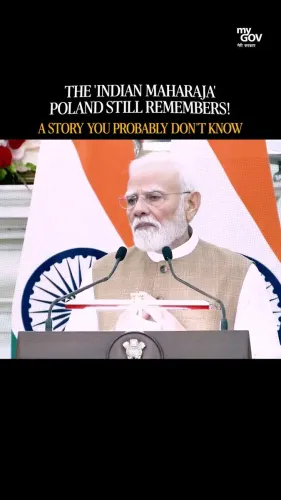
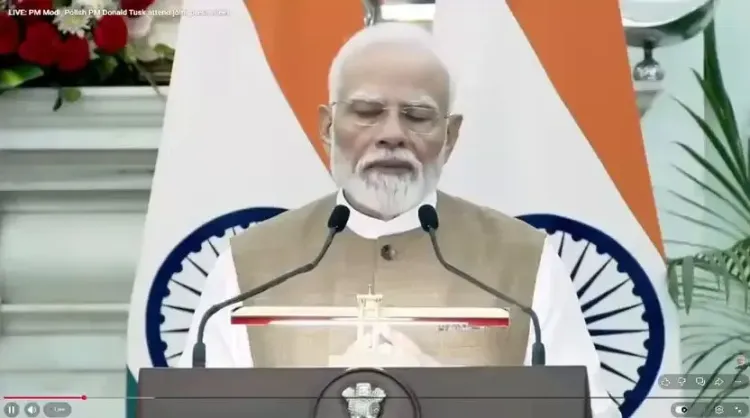
Bihar CM Samrat Choudhary invoked PM Modi's words on the deep India-Poland bond, recalling how the princely states of Jamnagar and Kolhapur sheltered thousands of Polish refugees during the Second World War — a humanitarian chapter that continues to anchor bilateral diplomacy.
Key Takeaways
Bihar CM Samrat Choudhary posted on October 22, 2026 citing PM Modi on India-Poland ties, using the hashtag #IndiaPolandFriendship .
In 1942 , the Maharaja of Jamnagar set up a refugee camp for Polish children evacuated via the USSR and Iran, earning the site the name 'Little Poland' .
The royal family of Kolhapur in Maharashtra simultaneously sheltered Polish evacuees during the same wartime period.
India and Poland established formal diplomatic relations in 1950 , building on those wartime humanitarian foundations.
Indian leaders periodically cite these episodes to reinforce contemporary bilateral goodwill with Central and Eastern European nations.
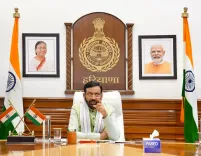
Long before formal treaties and trade agreements, India's royal houses quietly wrote one of history's most overlooked humanitarian chapters — and Bihar Chief Minister Samrat Choudhary wants that story told again. On Thursday, October 22, 2026, the senior BJP leader posted a tribute to the India-Poland friendship, citing Prime Minister Narendra Modi and invoking the Second World War-era shelter extended by the princely states of Jamnagar and Kolhapur to thousands of Polish children and families.
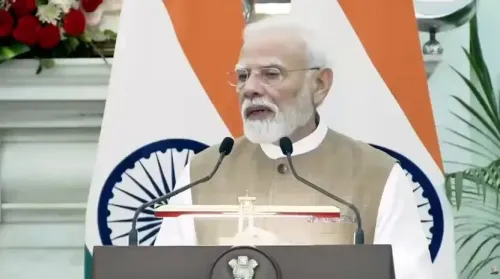
Choudhary's post, written in Hindi, quotes Modi's framing directly: 'भारत और पोलैंड की मित्रता केवल कूटनीतिक संबंधों पर नहीं, बल्कि मानवता और संवेदना की साझी विरासत पर आधारित है' — ('The friendship between India and Poland is not built on diplomatic ties alone, but on a shared heritage of humanity and compassion.')
The Royal Shelters That Became 'Little Poland'
The history here is remarkable. In 1942, the Maharaja of Jamnagar — a princely state in present-day Gujarat — established a dedicated refugee camp for Polish children who had been evacuated through the Soviet Union and Iran, fleeing the Nazi occupation of their homeland. The site came to be known as 'Little Poland'. Around the same time, the royal family of Kolhapur in Maharashtra similarly opened its doors to Polish evacuees.
Thousands of lives. No trade deal. No alliance treaty. Just shelter. That is the moral weight Indian leaders periodically reach for when strengthening ties with Central and Eastern Europe.
Why Indian Diplomacy Keeps Returning to This Story
India and Poland established formal diplomatic relations in 1950, but the wartime humanitarian bond predates that by nearly a decade. Indian leaders — including Prime Minister Modi — have invoked the Jamnagar and Kolhapur episodes to underscore that the bilateral relationship carries a human depth rarely visible in standard diplomatic ledgers. It is a narrative that resonates strongly with the Polish diaspora and reinforces India's self-image as a civilisation that offered refuge when much of the world looked away.
Choudhary's amplification of the Prime Minister's messaging signals coordinated public diplomacy — senior state leaders echoing the Centre's foreign policy framing to widen its domestic and international reach under the hashtag #IndiaPolandFriendship.
Eighty-four years after those camp gates opened in Jamnagar, the story still travels — because some foundations of friendship are simply too rare to leave unspoken.
Point of View
Bihar CM Samrat Choudhary is participating in a deliberate BJP-led diplomatic narrative — one that repositions India not just as a post-colonial non-aligned voice, but as a historic humanitarian actor with deep civilisational roots in European memory. This 'soft power archaeology' approach allows the Centre to deepen ties with Poland and the broader Central-Eastern European bloc without purely transactional optics. For a domestic audience, it also signals that India's foreign policy identity extends well beyond Delhi — to the princely heartlands of Gujarat and Maharashtra.
NationPress
22 Oct 2026
Frequently Asked Questions
Why did Indian royals shelter Polish refugees in World War 2?
In 1942, thousands of Polish civilians and children were evacuated through the Soviet Union and Iran fleeing Nazi occupation. The Maharaja of Jamnagar provided them a dedicated camp in his princely state, while the royal family of Kolhapur also extended shelter — acts of humanitarian generosity independent of any formal alliance.
Where was 'Little Poland' in India?
'Little Poland' was the name given to the refugee camp set up by the Maharaja of Jamnagar in the former princely state of Jamnagar, located in present-day Gujarat, which sheltered Polish children and families from 1942 onwards.
When did India and Poland establish diplomatic relations?
India and Poland established formal diplomatic relations in 1950, though their human connection dates back to the wartime sheltering of Polish refugees in Jamnagar and Kolhapur during the 1940s.
What did Bihar CM Samrat Choudhary post about India and Poland?
On October 22, 2026, Choudhary shared a quote from PM Narendra Modi stating that India-Poland friendship is founded not just on diplomacy but on a shared heritage of humanity, referencing the WWII-era shelter given to Polish refugees by the princely states of Jamnagar and Kolhapur.
Why does PM Modi reference the Jamnagar Polish refugee story?
PM Modi and other Indian leaders invoke the Jamnagar and Kolhapur refugee episodes to underscore India's historical role as a humanitarian civilisation, reinforcing contemporary bilateral goodwill with Poland and Central-Eastern European nations through a deeply personal historical narrative.